
Temple Recession Hairmaxxing: Targeted Laser Therapy Guide
Discover effective temple recession hairmaxxing techniques using precise laser angles and combo treatments for optimal hairline regrowth.
Unlocking the Secrets of Temple Recession Hairmaxxing for Lasting Hairline Restoration
Temple recession can be one of the most frustrating hair loss patterns to tackle, especially given how it affects your overall hairline and facial framing. If you've noticed thinning or retreating hair at your temples, you’re not alone—millions face this challenge. What if there was a way to reverse this decline without surgery? That’s where temple recession hairmaxxing shines. By harnessing targeted laser therapy tailored to the unique angles of your temple follicles, combined with smart complementary treatments, you can rebuild a stronger, fuller hairline.
This guide breaks down how precise laser positioning, known as the best hairmaxxing angles for temples, enhances treatment effectiveness. You’ll also discover how pairing laser therapy with topical agents, microneedling, and nutritional support creates powerful synergy. Whether you’re just starting to notice temple thinning or want to step up your non-surgical temple hair restoration techniques, this guide offers actionable insights backed by expert recommendations and research.

Understanding Temple Recession: Causes and Patterns
Hair loss at the temples is often the earliest and most noticeable sign of androgenetic alopecia, commonly known as male or female pattern baldness. For men, this recession typically begins in late teens or early twenties, affecting nearly half by age 50. The classic "M" shape emerges as hair thins and retreats from the frontal hairline toward the temples. Women experience a different pattern, usually diffuse thinning that can also impact the frontal hairline but with less defined recession.
Why are temples so prone to this? The follicles in these areas are genetically sensitive to dihydrotestosterone (DHT), a derivative of testosterone that shrinks hair follicles and shortens the growth phase. This miniaturization leads to thinner, weaker hairs that eventually stop growing. Unlike other scalp regions, temple follicles tend to have a unique orientation and angle which complicates treatment.
Additional factors influencing temple hair loss include:
- Stress and lifestyle habits that impact scalp health
- Nutritional deficiencies, especially iron, biotin, and vitamin D
- Environmental exposure to pollutants or harsh chemicals
- Underlying medical conditions, such as thyroid disorders
Understanding these causes is crucial because effective temple recession hairmaxxing addresses both follicular biology and external factors to restore hair density.
Read more about hair loss causes at NIAMS Hair Loss Overview.
What Is Hairmaxxing? An Overview of Laser Hair Therapy
Hairmaxxing is a term coined within haircare communities representing the practice of maximizing hair growth potential through a combination of scientifically backed treatments and lifestyle strategies. Central to this approach is low-level laser therapy (LLLT), which uses specific wavelengths of light to stimulate hair follicles at a cellular level.
How does laser therapy work? The photons emitted by laser devices penetrate the scalp skin and are absorbed by the mitochondria in hair follicle cells. This boosts adenosine triphosphate (ATP) production, energizing follicular stem cells and encouraging them to enter the active growth phase. The result is thicker, healthier hair shafts and a reduction in follicle miniaturization.
Hairmaxxing is more than just lasers. It integrates:
- Proper scalp care and hygiene
- Nutritional support to strengthen follicles
- Use of topical agents like minoxidil
- Adjunctive therapies such as microneedling and platelet-rich plasma (PRP)
The emphasis on customization sets hairmaxxing apart—you tailor the treatment angles, frequency, and combinations to your hair’s unique growth pattern, especially crucial for the temple area.
Learn more about laser therapy’s mechanism at Mayo Clinic Low-Level Laser Therapy.
Why Temple Areas Need Specific Angles for Effective Laser Treatment
You might wonder why the angle of laser application matters. Unlike the crown or vertex of the scalp, hair follicles at the temples grow at a more oblique or horizontal angle relative to the scalp surface. If laser devices are applied perpendicularly or without consideration of this angle, much of the light energy may scatter or fail to reach the deeper follicular stem cells effectively.
Studies show that aligning laser therapy devices to match the natural hair growth direction optimizes light penetration and stimulation. This principle applies to other treatments like microneedling and topical absorption as well.
Some key points on laser angles for temples:
- Follicles at the temples often grow at approximately 30 to 45 degrees from the scalp surface.
- Positioning laser combs or panels parallel or slightly angled to the hair growth direction increases follicle exposure to therapeutic light.
- Adjusting angles during treatment sessions ensures uniform coverage, reducing the risk of missed spots or uneven regrowth.
By applying the best hairmaxxing angles for temples, you respect the natural follicle orientation, maximizing treatment efficacy and comfort.
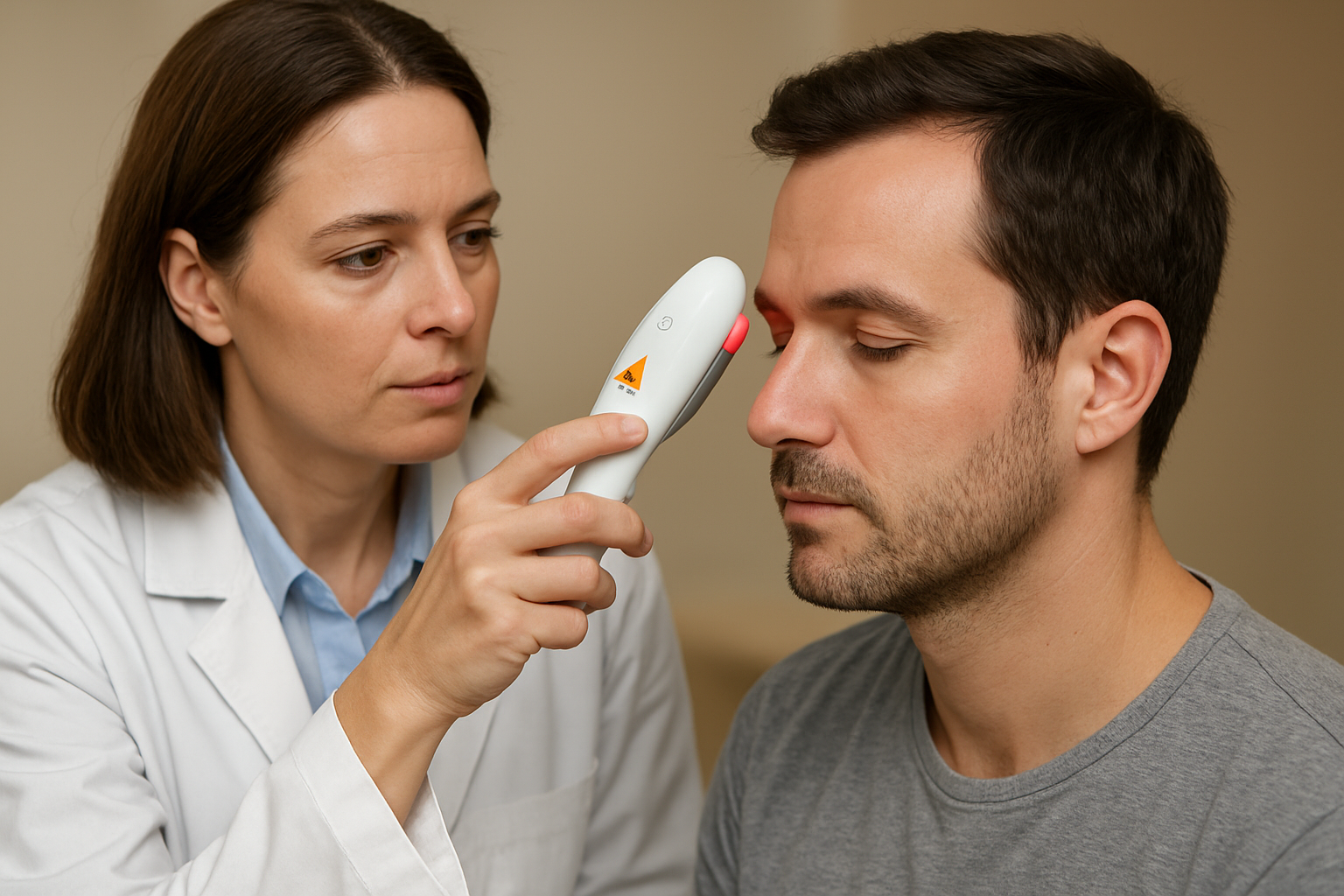
Step-by-Step Guide: Best Laser Angles for Recession-Prone Temples
Optimizing your temple recession hairmaxxing routine means mastering laser positioning and device handling. Here’s a practical, easy-to-follow guide:
1. Choose the Right Device
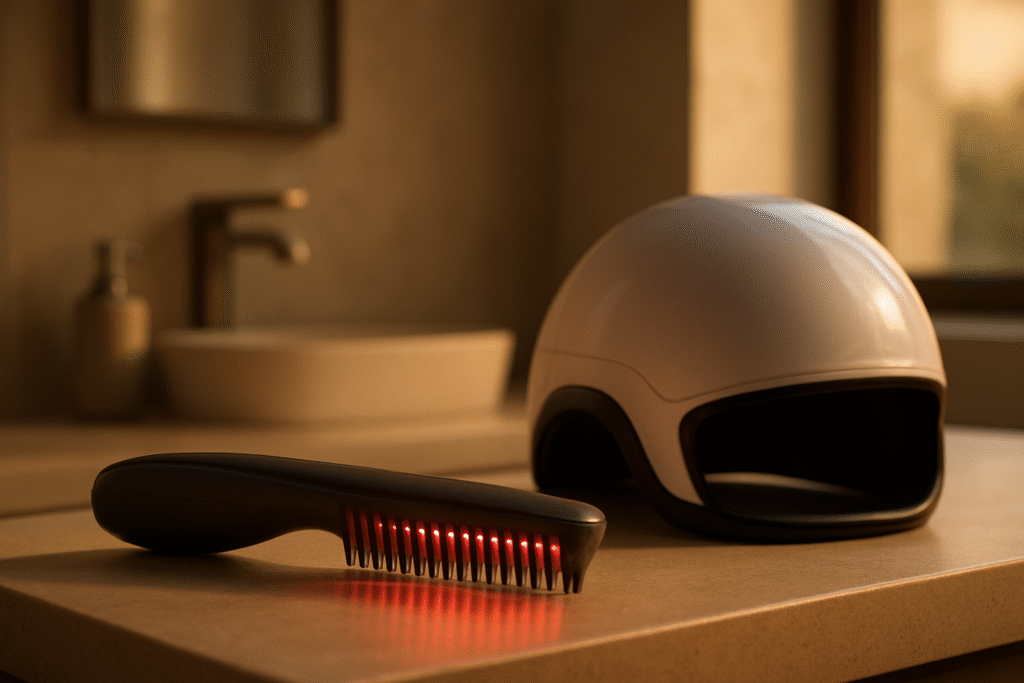
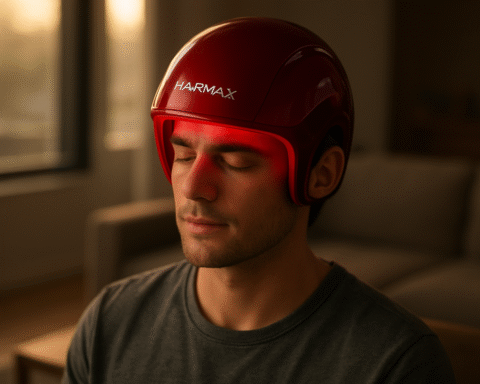
- Select FDA-cleared LLLT devices designed for home use, such as HairMax LaserComb or LaserBand.
- Devices with flexible heads or combs allow easier angle adjustments.
2. Prepare Your Scalp
- Wash and dry your scalp thoroughly.
- Remove any styling products that could block light penetration.
3. Identify the Hair Growth Direction
- Examine your temple hair growth; follicles typically point toward the back and slightly downward.
- Use a mirror to observe the angle at which the hairs emerge from the scalp.
4. Position the Laser Device
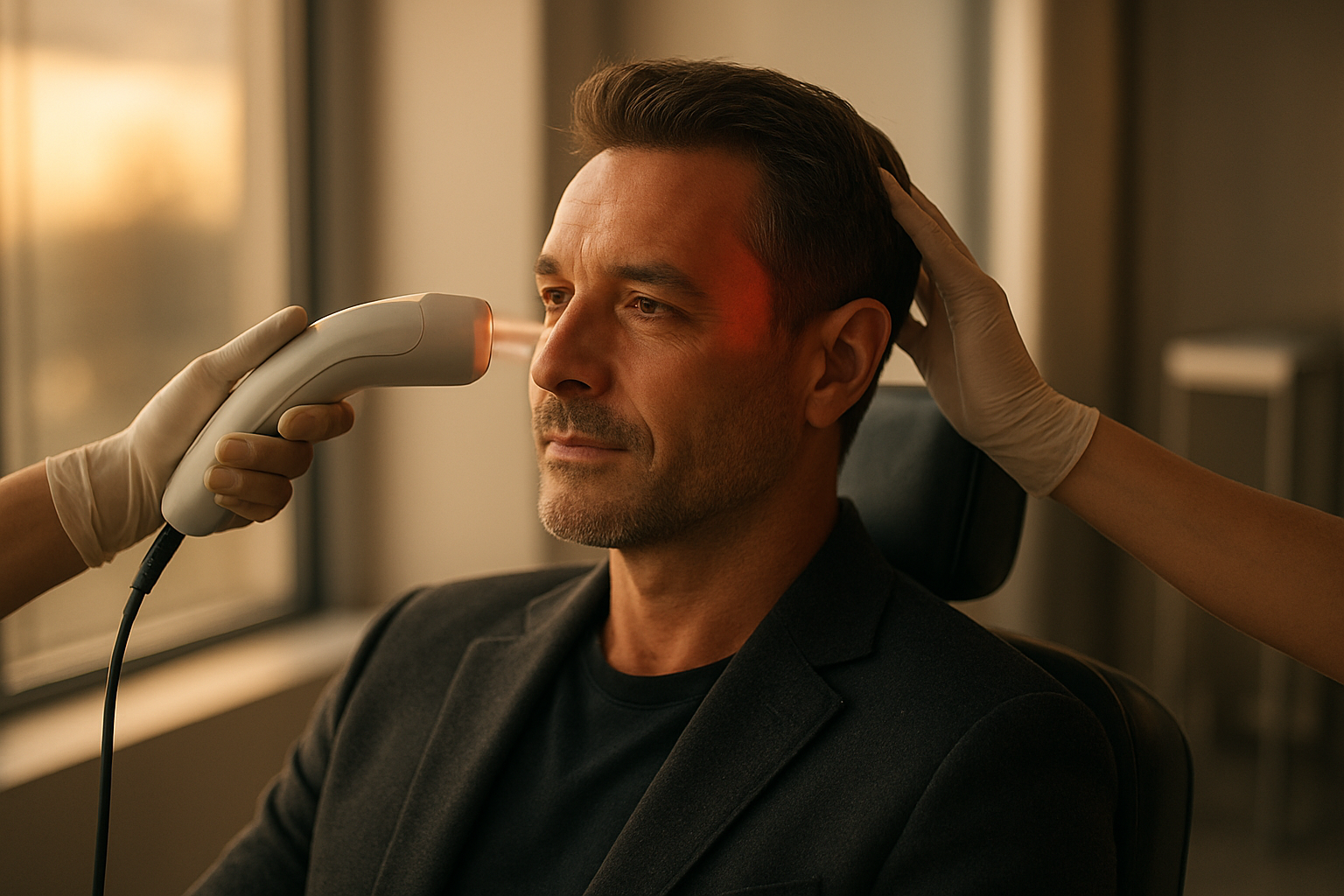
- Hold the device so the laser light aligns with the direction of hair growth, generally at a 30 to 45-degree angle relative to the scalp surface.
- Avoid pressing too hard; just enough contact to maintain stable positioning.
5. Treat in Sections
- Divide the temple area into small sections.
- Apply laser light for approximately 2-3 minutes per section, ensuring even coverage.
6. Repeat Consistently
- Perform sessions three to four times per week.
- Typical treatments last 8 to 12 weeks before visible results emerge.
7. Combine with Other Modalities
- Follow laser sessions with topical treatments or microneedling to boost absorption.
Tips for Success:
- Use consistent lighting and mirror setups to maintain correct angles.
- Avoid sudden movements during treatment to ensure precise targeting.
- Keep a treatment journal to monitor session details and progress.
By following this guide, you’re actively leveraging the best hairmaxxing angles for temples to maximize follicular stimulation and hair regrowth.
Combining Hairmaxxing with Other Treatments for Enhanced Results
Laser therapy is powerful, but it reaches its full potential when combined with complementary therapies. Hairmax laser combo therapy for hairline restoration creates a multi-pronged attack on hair loss.
Minoxidil and Finasteride
- Minoxidil is a topical vasodilator that enlarges miniaturized follicles.
- Finasteride, taken orally, inhibits DHT formation.
- Their synergy with laser therapy accelerates follicle recovery.
Microneedling
- Creates microscopic channels at a 15-30 degree angle to the scalp.
- Increases collagen production and enhances topical absorption.
- Studies show combining microneedling with minoxidil plus laser therapy yields superior regrowth, especially in temple regions.
Platelet-Rich Plasma (PRP)
- PRP injections deliver concentrated growth factors.
- When combined with laser therapy, PRP helps revitalize dormant follicles.
- Clinical data supports PRP’s efficacy in early-stage hairline recession.
Nutritional Support
- Biotin, zinc, iron, and vitamin D deficiencies can hamper regrowth.
- Supplementing these nutrients supports follicle metabolism and strength.
Scalp Massage and Exercises
- Boosts blood flow to the temple area.
- Supports follicle health and treatment responsiveness.
Incorporating these temple hair regrowth treatments into your hairmaxxing routine creates a robust, non-surgical temple hair restoration technique that addresses multiple aspects of hair loss simultaneously.
For comprehensive combo protocols, see American Hair Loss Association.
Timing and Frequency: How Often to Perform Hairmaxxing for Temple Regrowth
Consistency is key with any hair restoration regimen. For temple recession hairmaxxing, clinical and anecdotal evidence suggests:
- Frequency: 3 to 4 sessions per week.
- Session Duration: 10 to 15 minutes per session.
- Total Treatment Period: At least 8 to 12 weeks before expecting visible changes.
- Maintenance: Once regrowth stabilizes, 1 to 2 sessions weekly help maintain density.
Avoid overuse, as excessive laser exposure does not improve outcomes and may irritate the scalp. Pairing sessions with topical or procedural treatments on alternate days enhances follicle stimulation without overload.
Tracking your schedule and progress encourages adherence and timely adjustments based on results.
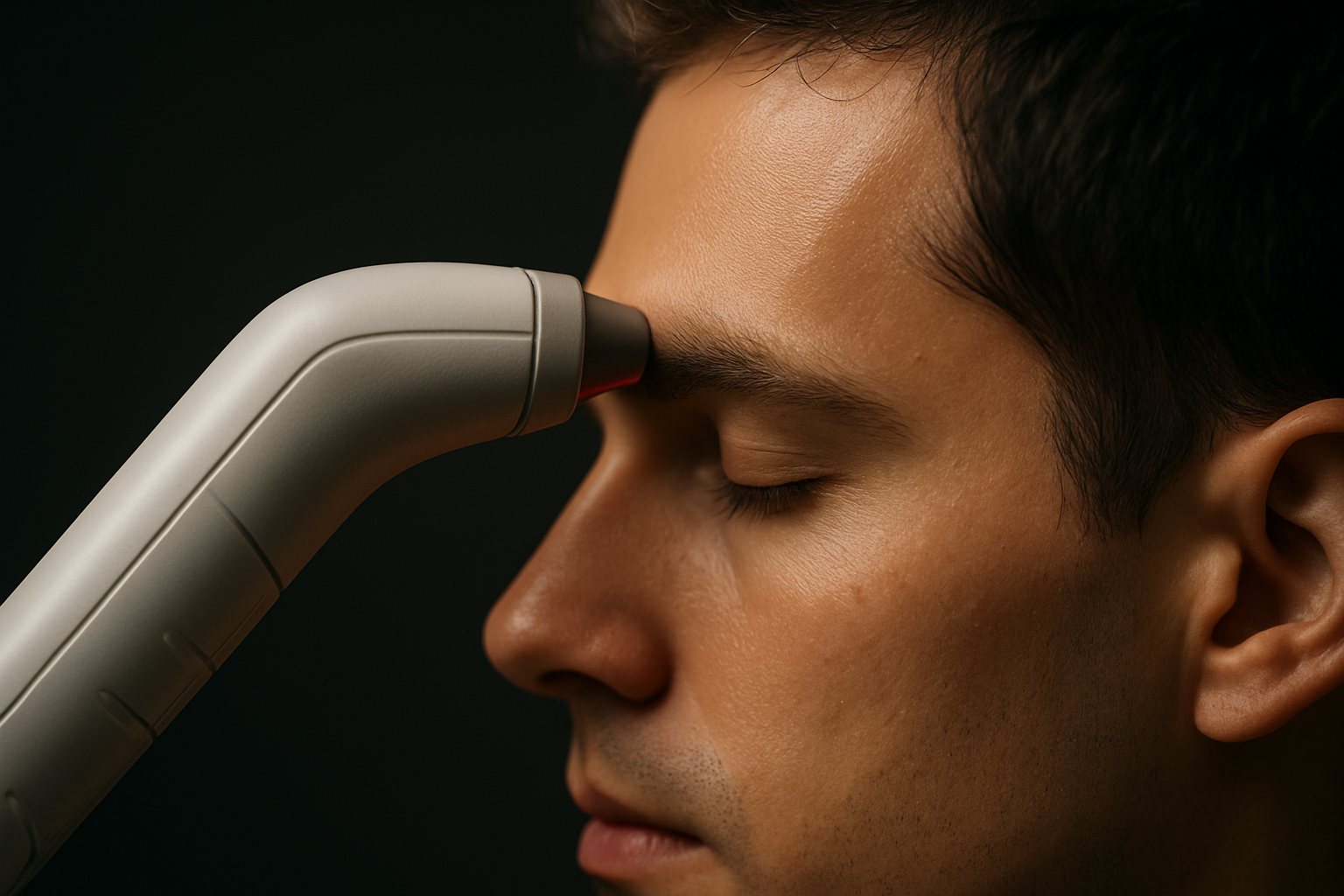
Monitoring Progress: What to Expect and When to Adjust Techniques
Hair growth is a slow process, often requiring patience and careful observation. With temple recession hairmaxxing, expect:
- Initial Shedding: Some users notice temporary shedding within 2-4 weeks as weak hairs fall out to make way for new growth.
- Visible Thickening: Around 8-12 weeks, hair shafts may appear thicker and denser.
- Hairline Improvement: By 4-6 months, a fuller, more youthful temple hairline may emerge.
If progress stalls after 3-4 months, consider:
- Reassessing laser angles and coverage.
- Adding or intensifying complementary treatments like microneedling or PRP.
- Consulting a hair specialist to rule out underlying causes or explore advanced options.
Regular scalp photos and measurements can objectively track growth. Patience and consistency remain your best allies.
Common Mistakes When Treating Temple Hair Loss and How to Avoid Them
Even the best intentions can be undermined by common pitfalls. Here’s what to watch out for:
- Ignoring Follicle Angles: Applying laser therapy perpendicular to the scalp wastes light energy and reduces effectiveness.
- Inconsistent Treatment: Skipping sessions or stopping prematurely leads to unsatisfactory results.
- Overuse of Products: Combining too many topical agents can irritate the scalp and hinder growth.
- Neglecting Nutrition: Without adequate vitamins and minerals, follicles cannot fully respond.
- Relying Solely on One Method: Laser therapy works best in combo with other scientifically supported treatments.
Avoid these mistakes by following a tailored regimen with expert guidance and realistic expectations.
Success Stories and Before/After Examples of Temple Recession Hairmaxxing
Many users report encouraging transformations after adopting temple-specific hairmaxxing routines. For example:
- Michael, 32: After 3 months of laser therapy at 35-degree angles combined with minoxidil and weekly microneedling, Michael observed visible thickening and a revival of his temple hairline.
- Samantha, 28: Using laser therapy alongside nutritional supplementation and PRP injections, Samantha reported a 40% increase in temple hair density within 6 months.
- David, 45: Integrating laser therapy with finasteride and scalp massage, David reversed years of recession in the temple zones, restoring a natural hairline.
These cases highlight the potential of precision and combo therapy in temple hair restoration. Remember that individual responses vary, and early intervention improves outcomes.
Additional Resources and Where to Learn More
For those eager to dive deeper into temple recession hairmaxxing, including detailed protocols, device recommendations, and combo treatment plans, visit the comprehensive resource at SuperMaxxed Hairmaxxing Guide.
This site offers step-by-step tutorials and expert insights tailored specifically for temple-focused hair restoration.
Frequently Asked Questions about Temple Recession Hairmaxxing
What causes hair loss specifically at the temples?
Temple hair loss primarily results from androgenetic alopecia, where DHT hormone sensitivity leads to follicle miniaturization. Genetic predisposition, stress, nutritional gaps, and scalp health also contribute.
How does laser therapy work for hair regrowth?
Low-level laser therapy stimulates mitochondria in hair follicle cells, boosting energy production that activates dormant follicles and encourages thicker hair growth.
Why do temples require different laser angles compared to other scalp areas?
Temple follicles grow at a more horizontal angle, so aligning laser devices to this angle ensures better light penetration and follicle stimulation.
Can hairmaxxing alone restore a receding temple hairline?
Hairmaxxing is most effective when combined with other treatments like minoxidil, microneedling, or PRP. Alone, it may slow progression but synergy yields better regrowth.
How long until I see results from temple hairmaxxing?
Typically, initial results appear around 8 to 12 weeks, with more noticeable regrowth after 4 to 6 months of consistent treatment.
Are there any risks or side effects?
LLLT is generally safe with minimal side effects. Mild scalp irritation or redness can occur if overused or combined improperly with topical agents.
How often should I perform hairmaxxing on my temples?
Three to four times per week is optimal, with each session lasting 10 to 15 minutes. Maintenance frequency reduces once hair density stabilizes.
Can women use temple hairmaxxing as effectively as men?
Yes. While female hair loss patterns differ, laser therapy and combo treatments are effective for women experiencing temple thinning or frontal hairline recession.
Where can I find detailed guides or protocols for temple hairmaxxing?
Visit SuperMaxxed Hairmaxxing Guide for comprehensive, expert-curated plans focusing on temples.
Mastering Temple Recession Hairmaxxing for Effective Hairline Restoration
Temple recession hairmaxxing offers an exciting, non-surgical avenue for restoring your frontal hairline by leveraging precision laser therapy and strategic combination treatments. Understanding the unique angle of temple follicles and adjusting your approach accordingly can significantly enhance results. When combined with FDA-approved medications, microneedling, PRP, and proper nutrition, this method addresses the multifaceted nature of temple hair loss.
Success lies in consistency, patience, and tailoring your regimen to your hair’s unique needs. Early intervention is critical, so don’t wait for severe recession to begin. With the right knowledge and tools, a fuller, stronger temple hairline is within reach.
For a detailed, step-by-step temple-specific hairmaxxing protocol, visit https://supermaxxed.com/hairmaxxing-guide and take control of your hair’s future today.
References
- National Institute of Arthritis and Musculoskeletal and Skin Diseases (NIAMS) – Hair Loss Overview: https://www.niams.nih.gov/health-topics/hair-loss
- Mayo Clinic – Low-Level Laser Therapy: https://www.mayoclinic.org/tests-procedures/laser-therapy/about/pac-20384661
- American Hair Loss Association – Minoxidil and Finasteride: https://www.americanhairloss.org/finasteride_minoxidil.html
- Journal of Cosmetic Dermatology – Microneedling for Androgenetic Alopecia: https://onlinelibrary.wiley.com/doi/full/10.1111/jocd.12154
- Clinical, Cosmetic and Investigational Dermatology – PRP Therapy Meta-Analysis: https://www.ncbi.nlm.nih.gov/pmc/articles/PMC6380974/