
Red Light Therapy Hairmaxxing: Best Devices & Usage 2024
Discover red light therapy hairmaxxing with top helmets and caps. Learn usage protocols, benefits, and real results for improved hair density.
Unlocking the Power of Red Light Therapy Hairmaxxing for Fuller Hair
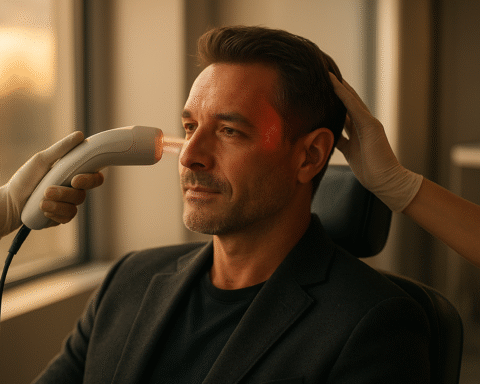
Hair thinning and loss affect millions worldwide, creating a demand for effective, non-invasive treatments. Red light therapy hairmaxxing has emerged as a promising solution, combining cutting-edge technology with ease of use. By using specialized helmets and caps emitting red and near-infrared light, many have found a way to stimulate hair follicles and improve hair density naturally.
This comprehensive guide explores how red light therapy works, the best red light therapy helmet for hair growth in 2024, detailed red light therapy hair growth cap reviews, and crucial insights into how to use red light therapy for hair density effectively. Whether you’re just starting your hairmaxxing journey or looking to optimize your routine, understanding the red light therapy hairmaxxing protocol can make all the difference in your results.
Understanding Red Light Therapy Hairmaxxing: Science and Mechanisms Behind Hair Growth
Red light therapy hairmaxxing, also known as Low-Level Laser Therapy (LLLT), uses specific wavelengths of light—typically between 630 to 670 nanometers for red light and 810 to 850 nanometers for near-infrared—to penetrate the scalp and stimulate hair follicles.
How Does Red Light Therapy Stimulate Hair Growth?
At the cellular level, red and near-infrared light photons are absorbed by cytochrome c oxidase in the mitochondria within hair follicle cells. This absorption triggers several biological responses:
- Increased ATP Production: Enhanced energy availability boosts cell metabolism and regeneration.
- Modulation of Reactive Oxygen Species: Balancing oxidative stress promotes healthier cells.
- Activation of Transcription Factors: These factors stimulate gene expression that supports cell proliferation and tissue repair.
The result is a prolonged anagen phase (the active growth phase) of hair follicles, encouraging thicker, denser hair growth. This mechanism is supported by decades of photobiomodulation research, dating back to Nobel Prize winner Niels Ryberg Finsen’s early 20th-century phototherapy work.
Clinical Evidence Supports Efficacy
A 2017 double-blind, sham-controlled trial published in the American Journal of Clinical Dermatology demonstrated that participants using LLLT devices experienced a statistically significant increase in hair density—approximately 19.8 hairs per square centimeter compared to 7.6 in the control group—after 24 weeks of consistent use. Moreover, the FDA has cleared several LLLT devices for the treatment of androgenetic alopecia, confirming their safety and effectiveness.
For more scientific background, visit NIH Photobiomodulation Overview.
Comparing Red Light Therapy Helmets and Caps: Which Device Fits Your Hairmaxxing Needs?
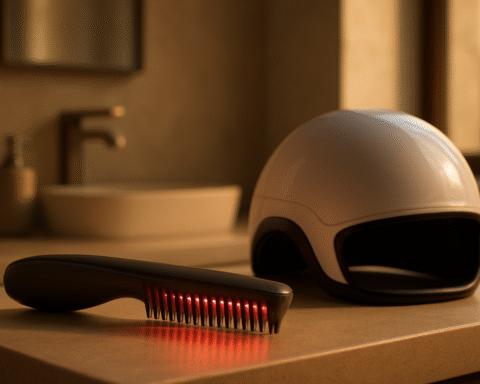
When it comes to red light therapy hairmaxxing, two primary types of devices dominate the market: helmets and caps. Each has distinct advantages and considerations.
Red Light Therapy Helmets
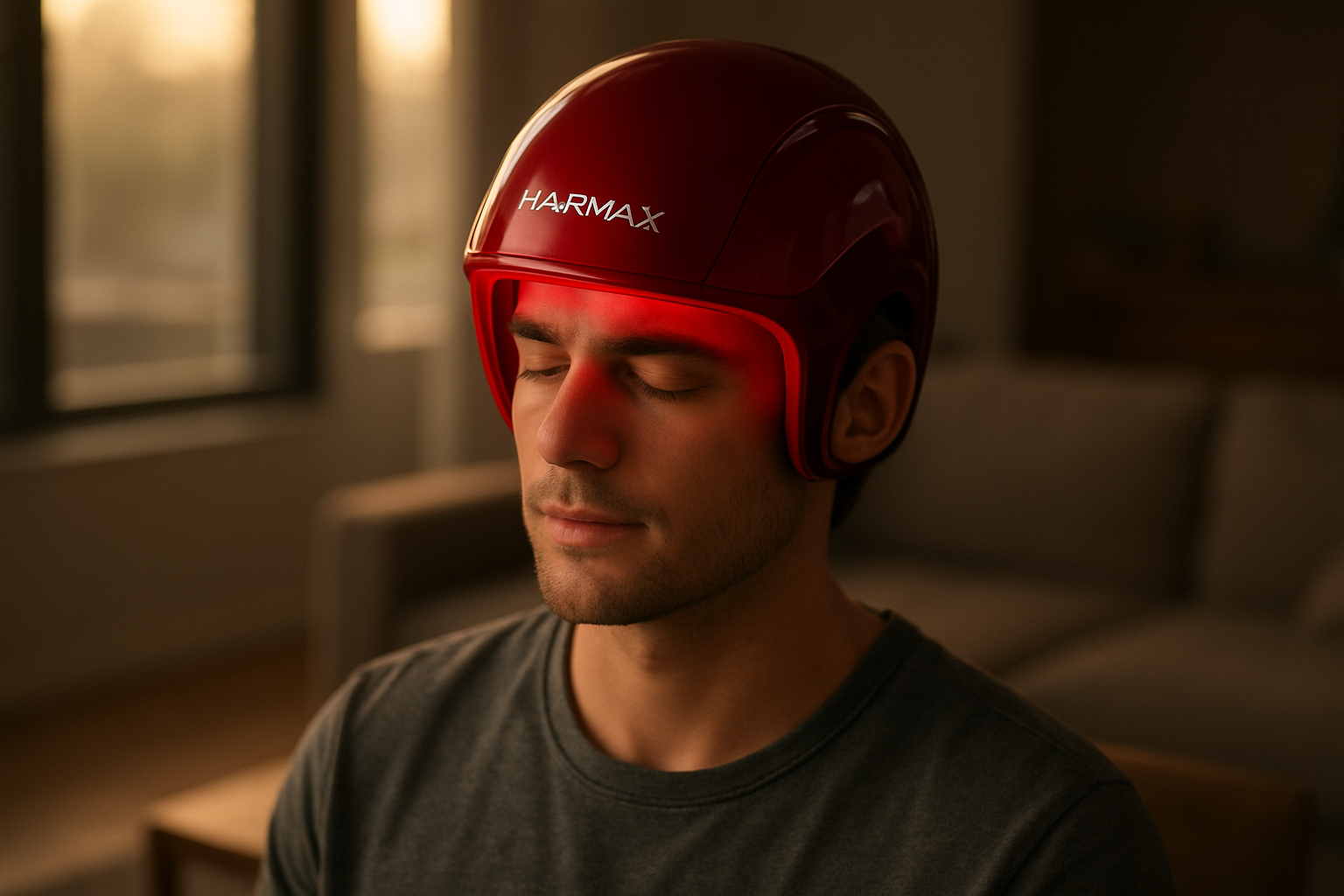
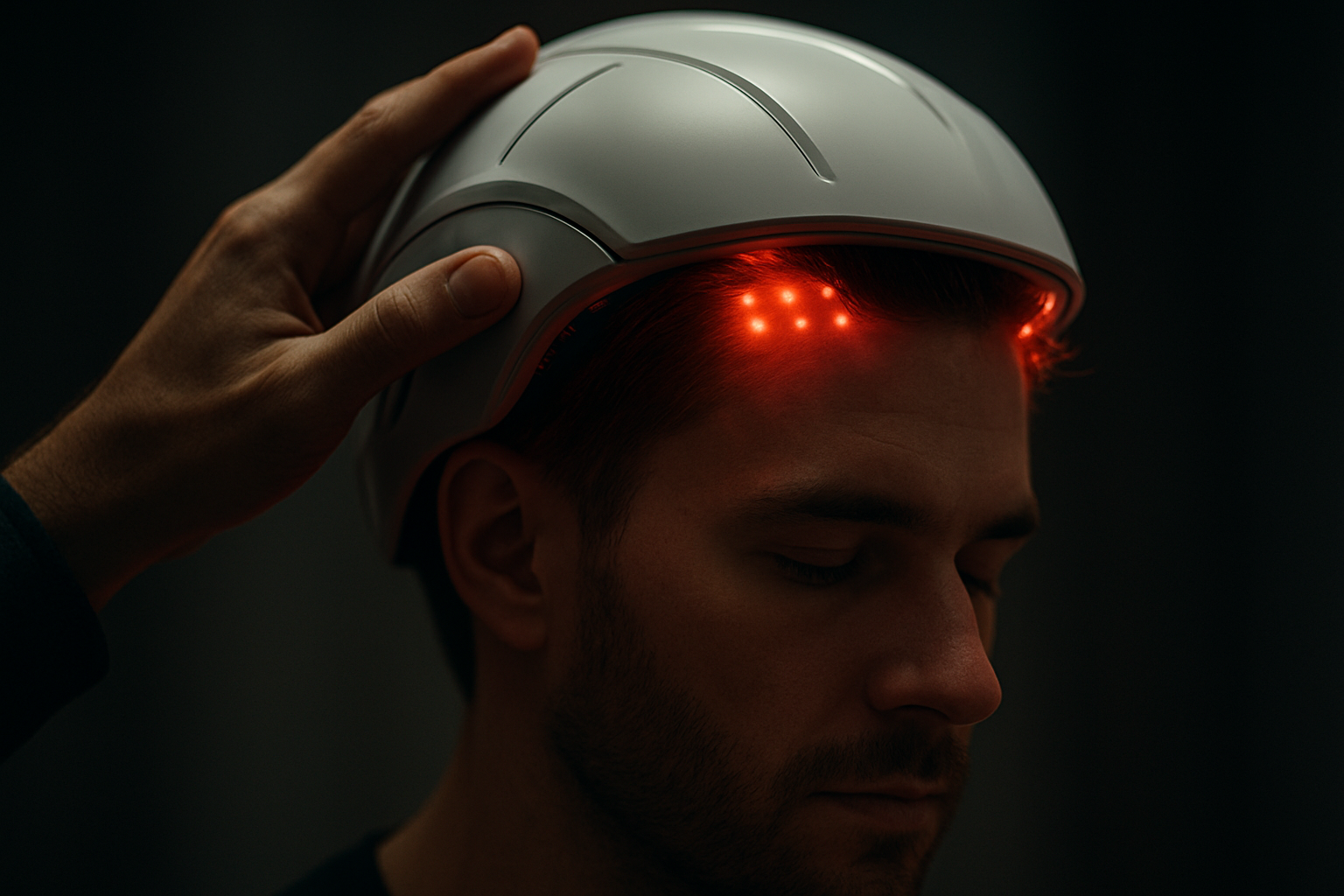
Helmets are rigid devices that typically cover the entire scalp and contain a high number of lasers and LEDs. They often offer broad, uniform light distribution.
Pros:
- Full scalp coverage ensures even treatment.
- Usually have higher laser counts for potentially more effective stimulation.
- Some models include adjustable fits and additional features such as vibration or cooling.
Cons:
- Bulkier and less discreet than caps.
- May require sitting still for the session.
- Generally more expensive upfront.
Red Light Therapy Caps
Caps resemble traditional baseball hats but integrate lasers and LEDs within their fabric or structure.
Pros:
- Lightweight and portable; easy to wear during daily activities.
- More discreet and user-friendly.
- Often less expensive than helmets.
Cons:
- Coverage may be less uniform depending on design.
- Some models have fewer lasers, which could impact efficacy.
Your choice depends on your lifestyle, budget, and the severity of hair loss. For example, those needing targeted, intensive treatment might prefer helmets, while users seeking convenience may lean toward caps.

The Best Red Light Therapy Devices for Hairmaxxing in 2024
Selecting the right LLLT device is crucial to maximize hair growth potential. Here are the top contenders combining clinical support, user satisfaction, and innovation.
1. HairMax LaserBand 82
- Features: 82 medical-grade lasers arranged in a band for targeted scalp coverage.
- Benefits: Clinically proven in 90-day studies to increase hair density significantly.
- FDA Status: Cleared for safety and efficacy.
- User Experience: Generally praised for rapid improvement and ease of use.
2. iRestore Professional Laser Hair Growth System
- Features: Combines 282 lasers and LEDs for comprehensive scalp coverage.
- Benefits: Suitable for moderate to advanced hair loss; positive red light therapy hair growth cap reviews highlight its comfort and effectiveness.
- FDA Status: Cleared and widely recommended by professionals.
3. CapillusPro Laser Cap
- Features: Contains 272 lasers, designed to be worn discreetly under hats.
- Benefits: High laser count with clinical backing; ideal for users wanting a low-profile option.
- FDA Status: FDA-cleared device.
4. Theradome PRO LH80
- Features: Helmet-style device with 80 medical-grade lasers.
- Benefits: Backed by clinical studies; promotes faster hair growth cycles.
- User Feedback: Known for durability and comfort.
5. Kiierr Laser Cap
- Features: Offers devices with 148 or 272 lasers, flexible treatment schedules.
- Benefits: Affordable with good customer service; popular in red light therapy hairmaxxing communities.
- FDA Status: FDA-cleared.
For detailed product specs and pricing, visit official brand sites like HairMax, iRestore, and Capillus.
Mastering the Red Light Therapy Hairmaxxing Protocol: Usage Tips for Maximum Hair Density
Consistency and correct usage are vital to harness the benefits of LLLT devices for hair loss treatment.
How Often Should You Use Your Device?
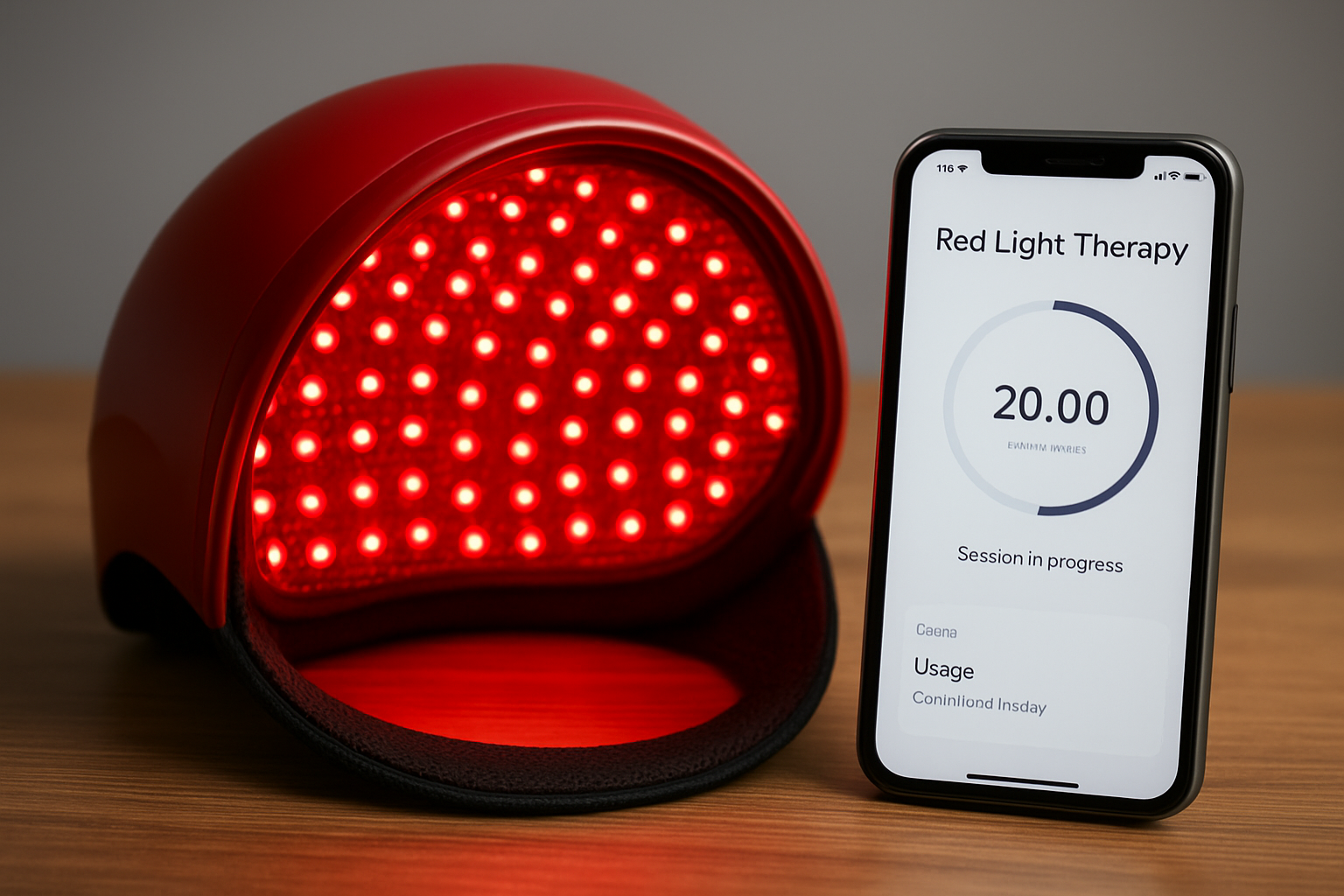
Most experts recommend using red light therapy devices 3 to 5 times per week. Sessions typically last between 15 to 30 minutes, varying by device specifications.
Duration Until Results Appear
Hair growth is a slow process. Visible improvements generally take 4 to 6 months of consistent use. Some users may notice early signs such as reduced shedding within a few weeks, but fuller, thicker hair requires patience.
Maintenance Phase
Once you achieve desired hair density, continuing with maintenance sessions 1 to 2 times weekly helps sustain results.
Practical Tips
- Use the device on a clean, dry scalp for optimal light penetration.
- Avoid overuse; exceeding recommended session times does not accelerate growth and may cause scalp irritation.
- Follow manufacturer instructions carefully to ensure safety and effectiveness.
Expert Insight
Dr. Antonella Tosti, a leading dermatologist, advises:
"LLLT is an excellent adjunct therapy for androgenetic alopecia. When combined with topical agents like minoxidil, it enhances outcomes significantly."
To learn more about how to use red light therapy for hair density, consult trusted resources such as DermNet NZ.
Real User Experiences and Clinical Outcomes: What You Can Expect from Red Light Therapy Hairmaxxing
Clinical trials and user testimonials provide a comprehensive picture of red light therapy hairmaxxing results.
Clinical Data
A 2019 systematic review published in Lasers in Medical Science analyzed multiple trials and concluded that LLLT effectively promotes hair regrowth with minimal side effects. On average, hair density increased by about 20% compared to placebo controls after consistent use.
What Users Report
- Noticeably thicker and fuller hair strands.
- Reduction in hair shedding.
- Improved scalp health and hair texture.
- Convenience of at-home treatment encourages adherence.
However, results vary depending on individual factors such as age, genetics, the severity of hair loss, and treatment adherence.
Common User Feedback
- Many users appreciate the painless, non-invasive nature of LLLT devices.
- Some report visible changes within 3 months, while others require longer treatment.
- Positive red light therapy hair growth cap reviews often mention comfort and ease of integrating sessions into daily routines.
For further evidence and testimonials, visit the American Academy of Dermatology.
Enhancing Your Hairmaxxing Routine: Combining Red Light Therapy with Other Strategies
Red light therapy hairmaxxing works best as part of a comprehensive approach to hair health.
Nutritional Support
- Vitamins like biotin, vitamin D, and zinc support follicular health.
- A balanced diet rich in antioxidants reduces oxidative stress on hair follicles.
Topical Treatments
- Minoxidil remains a gold standard for promoting hair growth.
- Combining minoxidil with LLLT has shown synergistic effects.
Oral Medications
- Finasteride is commonly prescribed for androgenetic alopecia.
- Consult a healthcare professional before combining oral medications with LLLT.
Scalp Care and Massage
- Regular scalp massage can improve blood flow and enhance LLLT effectiveness.
- Keeping the scalp clean prevents follicle blockage.
Personalized Protocols
Emerging technologies now offer AI-driven programs that tailor LLLT sessions to individual hair loss patterns, optimizing treatment outcomes.
For a detailed guide on integrating these therapies, check out the hairmaxxing resource at supermaxxed.com/hairmaxxing-guide.
Safety and Side Effects: What You Need to Know About Red Light Therapy Hairmaxxing
One of the biggest advantages of red light therapy hairmaxxing is its excellent safety profile.
Common Side Effects
- Mild scalp redness or irritation in rare cases.
- Temporary scalp sensitivity.
- No reported serious adverse effects after FDA clearance.
Precautions
- Avoid using on broken or infected skin.
- Do not stare directly into the lasers or LEDs.
- Follow device instructions carefully to prevent overuse.
LLLT devices have been extensively tested and are considered safe for most users, making them a reliable option for hair loss treatment.
Evaluating Cost Versus Benefits: Is Investing in a Helmet or Cap Worth It?
Red light therapy devices vary in price, typically ranging from several hundred to over a thousand dollars depending on features and laser counts.
Cost Considerations
- Helmets generally cost more but offer higher laser density and full scalp coverage.
- Caps tend to be more affordable and portable but may have fewer lasers.
Benefits to Weigh
- Non-invasive alternative to hair transplants or medications.
- Long-term investment in hair health and confidence.
- Minimal maintenance costs and long device lifespans.
Many users find that the cost is justified by the convenience and effectiveness of these devices, especially when combined with other hairmaxxing methods.
Maintaining Your Red Light Therapy Helmet or Cap for Longevity and Performance
Proper care ensures your device continues to deliver optimal results.
Cleaning Tips
- Wipe the interior light panel gently with a soft, dry cloth after use.
- Avoid moisture exposure; never immerse the device in water.
- Follow manufacturer-specific cleaning instructions.
Storage
- Store in a cool, dry place away from direct sunlight.
- Use protective cases if provided.
Device Checks
- Regularly inspect for loose parts or damage.
- Replace batteries or recharge as recommended.
Maintaining your device not only extends its lifespan but also keeps your red light therapy hairmaxxing protocol consistent and effective.
Frequently Asked Questions About Red Light Therapy Hairmaxxing
How does red light therapy help with hair growth?
Red light therapy stimulates cellular energy production and promotes the anagen phase of hair follicles, resulting in thicker, denser hair growth over time.
Which is better for me: a helmet or a cap?
Helmets offer more comprehensive scalp coverage with higher laser counts but are bulkier. Caps are lighter, more discreet, and portable. Your choice depends on lifestyle and hair loss severity.
How long before I see results from hairmaxxing with red light therapy?
Most users notice visible results after 4 to 6 months of consistent use, with improvements like reduced shedding appearing earlier.
Are these devices safe? Any side effects?
LLLT devices are FDA-cleared, non-invasive, and generally safe. Side effects are minimal and may include mild scalp irritation in rare cases.
Can I use red light therapy alongside other hair treatments?
Yes, combining LLLT with topical treatments like minoxidil or oral medications such as finasteride can enhance hair growth outcomes. Consult your healthcare provider before combining therapies.
How often should I use the device for best results?
Typically, 3 to 5 sessions per week, each lasting 15 to 30 minutes depending on the device, is recommended.
What are the best red light therapy devices on the market?
Top devices include HairMax LaserBand 82, iRestore Professional Laser Hair Growth System, CapillusPro Laser Cap, Theradome PRO LH80, and Kiierr Laser Cap.
Is the investment in these devices really worth it?
For many, the long-term benefits of non-invasive, effective hairmaxxing justify the cost, especially when factoring in confidence and self-esteem improvements.
How do I maintain my red light therapy helmet or cap?
Clean gently after use, store in a dry place, and follow manufacturer guidelines to ensure device longevity.
Where can I learn more about integrating LLLT into my hair care routine?
For comprehensive guidance, visit supermaxxed.com/hairmaxxing-guide for protocols and synergy tips.
Elevate Your Hairmaxxing Journey with Red Light Therapy Hairmaxxing in 2024
Red light therapy hairmaxxing stands out as a scientifically backed, safe, and user-friendly approach to combating hair thinning and loss. By understanding the mechanisms behind LLLT, choosing the best red light therapy helmet for hair growth or a top-rated cap, and following an effective red light therapy hairmaxxing protocol, you can unlock the potential for fuller, thicker hair.
Combining these devices with complementary strategies such as nutrition, topical treatments, and scalp care amplifies your chances of success. With consistent application and proper maintenance, red light therapy can become a cornerstone of your hairmaxxing routine.
For a deeper dive into maximizing your results and personalized guidance, explore the expert resources at supermaxxed.com/hairmaxxing-guide. Your journey to improved hair density starts with informed choices and committed action.