

Oral Minoxidil Hairmaxxing 2026: Advanced Dosing & Safety Guide
Discover expert oral minoxidil hairmaxxing 2026 strategies: safe transition, dosing, heart health monitoring, and faster hair regrowth synergies.
Unlocking the Full Potential of Oral Minoxidil Hairmaxxing 2026
If you’ve been battling thinning hair or frustrated by topical minoxidil's limitations, oral minoxidil might just be the breakthrough you’ve been waiting for. This comprehensive guide covers everything you need to know about oral minoxidil hairmaxxing 2026, from safe and effective dosing to essential heart health monitoring. You’ll also learn proven strategies to accelerate hair regrowth by combining oral minoxidil with complementary therapies and lifestyle adjustments.
By the end, you’ll understand how to transition smoothly from topical to oral minoxidil, personalize your dose for maximum results, and avoid common pitfalls. Plus, you’ll discover how this systemic approach fits into a holistic hairmaxxing system designed for 2026 and beyond. Whether you’re a hair loss sufferer or a healthcare professional, this guide arms you with expert insights and actionable steps to transform your hair journey.
Oral vs. Topical Minoxidil: Why the Shift in 2026?
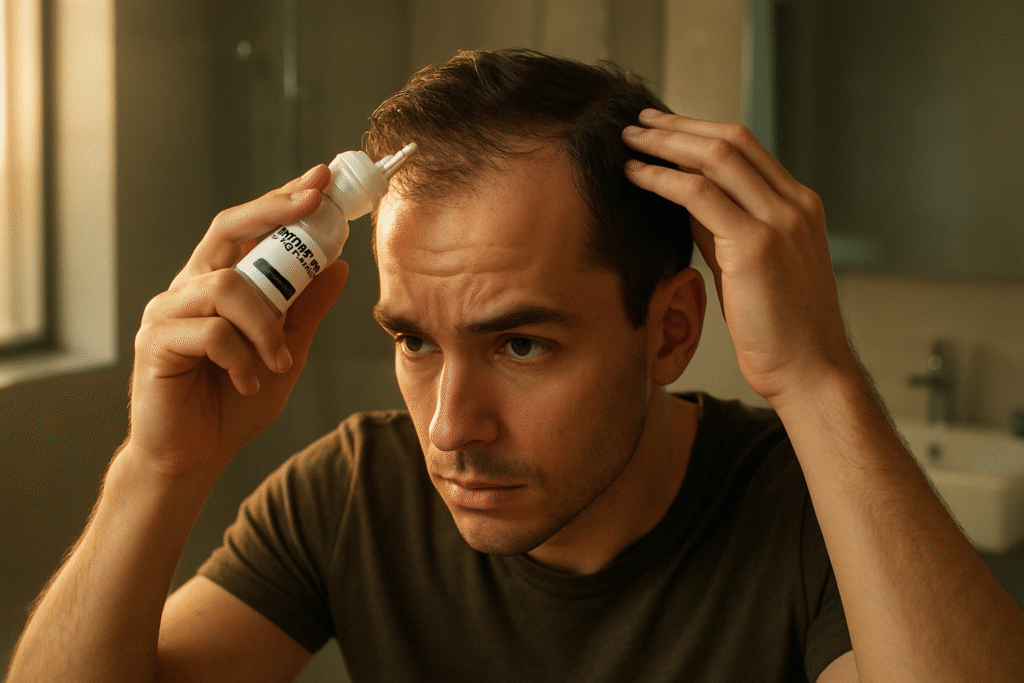
Topical minoxidil has been a frontline treatment for androgenetic alopecia since the late 1980s. Yet, despite its widespread use, many users encounter issues: scalp irritation, inconsistent absorption, or simply insufficient regrowth. Fast forward to 2026, oral minoxidil is gaining traction as a promising alternative or adjunct, especially among those seeking more convenient and potent hairmaxxing solutions.
How Oral Minoxidil Works Differently
Oral minoxidil’s mechanism is rooted in its original use as an antihypertensive drug. Unlike topical minoxidil, which delivers the active compound directly to the scalp, oral minoxidil circulates systemically. It opens potassium channels in vascular smooth muscle, causing vasodilation and increased blood flow to hair follicles. This systemic delivery may ensure more consistent follicular stimulation, potentially leading to superior regrowth outcomes in some patients [2].
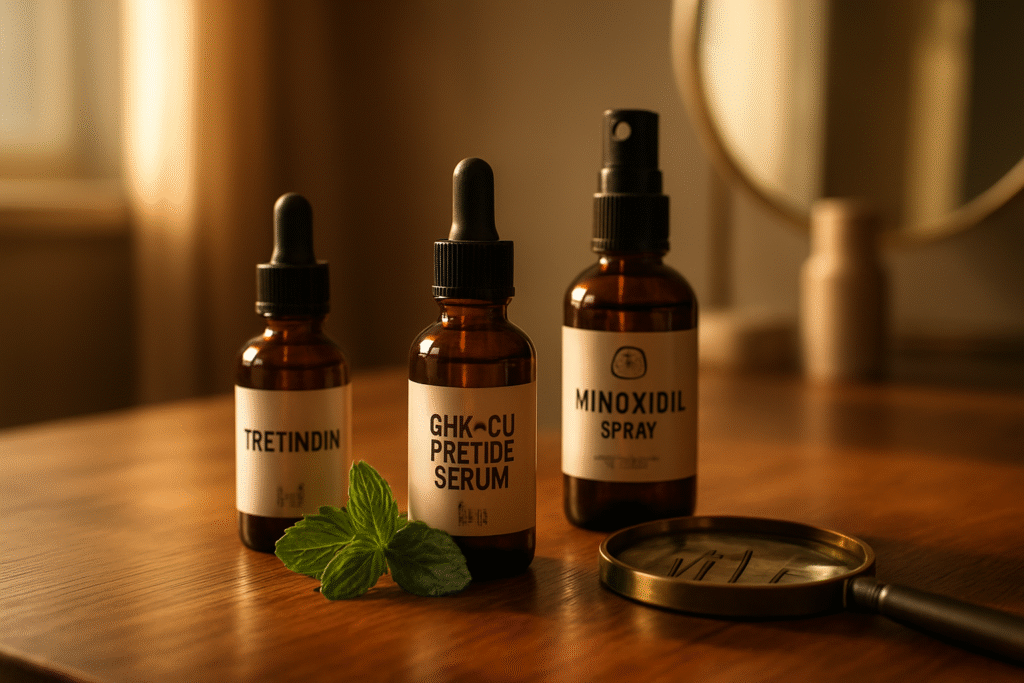
While topical minoxidil’s benefits are well-established, its effectiveness can be limited by poor absorption or scalp sensitivity. Oral minoxidil bypasses these concerns, offering a low-dose systemic approach (commonly 0.25 to 5 mg daily) that many find easier to tolerate and more effective in stubborn cases.
Benefits and Limitations Compared
| Aspect | Topical Minoxidil | Oral Minoxidil |
|---|---|---|
| Application | Twice daily scalp application | Once or twice daily oral pill |
| Absorption & Bioavailability | Variable, influenced by scalp condition | More consistent systemic levels |
| Side Effects | Scalp irritation, dryness | Possible cardiovascular effects, hypertrichosis |
| Convenience | Time-consuming, visible residue | Simple pill, discreet |
| Efficacy | Effective in many cases | Potentially greater in resistant or sensitive patients |
Experts like Dr. Antonella Tosti highlight that oral minoxidil is not a replacement but rather a complementary or alternative option for those who struggle with topical formulations [4]. It opens new doors for hairmaxxing enthusiasts seeking faster and more reliable regrowth.
How to Transition from Topical to Oral Minoxidil Safely
Switching from topical to oral minoxidil requires a careful, medically supervised approach. This ensures you minimize systemic side effects and maximize hairmaxxing benefits.
Step-by-Step Transition Protocol
-
Consult Your Healthcare Provider
Before making any changes, discuss your medical history, especially cardiovascular health. Oral minoxidil’s systemic effects mean it’s not suitable for everyone. -
Discontinue Topical Minoxidil
Stop using topical minoxidil at least 24 hours before starting oral minoxidil to reduce overlapping exposure. -
Start Low-Dose Oral Minoxidil (LDOM)
Begin with a conservative dose—typically 0.25 mg to 1 mg daily. This minimizes side effects while allowing your body to adjust. -
Monitor Response and Side Effects
Keep track of any changes in heart rate, blood pressure, swelling, or excessive hair growth in unwanted areas. -
Titrate Dose Gradually
Based on tolerance and hairmaxxing results, your provider may adjust the dose up to 5 mg daily. Most patients find a sweet spot between 0.25 and 2.5 mg. -
Regular Follow-Up
Schedule cardiovascular monitoring visits (blood pressure, heart rate, ECG if necessary) every 1-3 months during the first six months.
Dr. Tosti advises that this gradual, monitored approach balances efficacy and safety, reducing risks associated with systemic vasodilation [4].
Why Not Use Both Simultaneously?
Using topical and oral minoxidil together can increase side effects like scalp irritation and systemic exposure. It’s generally recommended to transition fully to oral minoxidil to maintain dose control and monitor effects clearly.
Oral Minoxidil Dosing Guide 2026: Finding Your Sweet Spot
Personalized dosing is the cornerstone of effective oral minoxidil hairmaxxing 2026. The right dose maximizes hair regrowth while minimizing side effects.
Common Dose Ranges and Their Effects
| Dose (mg/day) | Hairmaxxing Effect | Side Effect Profile |
|---|---|---|
| 0.25 mg | Mild stimulation; suitable for sensitive individuals | Minimal side effects |
| 0.5 – 1 mg | Moderate hair regrowth; common starting dose | Mild hypertrichosis, possible mild tachycardia |
| 2.5 mg | Stronger regrowth effect; for moderate cases | Increased risk of fluid retention and cardiovascular side effects |
| 5 mg | Maximum studied dose for hair loss | Higher risk of edema, tachycardia; requires close monitoring |
Most dermatologists recommend starting at the lowest effective dose, typically 0.25 to 1 mg daily, then adjusting based on response and tolerance [5].
Dose Frequency and Timing
Once-daily dosing is standard and convenient. Some practitioners suggest splitting the dose (morning and evening) to reduce peak plasma levels and side effects. However, once-daily dosing improves compliance.
Duration Until Results Appear
Hair regrowth usually becomes noticeable between 3 to 6 months. Continued treatment is necessary to maintain results, as stopping oral minoxidil generally leads to hair shedding within a few months.
Personalizing Your Dose
Factors influencing dose choice include:
- Weight and metabolism
- Cardiovascular health status
- Severity and pattern of hair loss
- History of minoxidil side effects
A tailored approach, backed by regular monitoring, is essential for optimal hairmaxxing outcomes.
Oral Minoxidil Heart Health Monitoring: Essential Safety Steps
Oral minoxidil’s vasodilatory action can affect your cardiovascular system. While low-dose oral minoxidil (LDOM) is generally safe, proactive heart health monitoring is key to preventing complications.
Cardiovascular Risks to Be Aware Of
- Fluid retention and peripheral edema due to vasodilation and salt retention
- Reflex tachycardia, where heart rate increases to compensate for lower blood pressure
- Hypotension (low blood pressure), causing dizziness or fainting
- Rarely, pericardial effusion, fluid accumulation around the heart, requiring urgent attention
Recommended Monitoring Protocol
-
Baseline Evaluation
- Measure blood pressure and heart rate
- Obtain ECG if history suggests cardiac issues
- Assess kidney function and electrolytes if indicated
-
Regular Follow-Up Visits
- Every 1-3 months during dose titration
- Blood pressure and heart rate checks at home or clinic
-
Symptom Awareness
- Watch for swelling, palpitations, dizziness, or unexplained fatigue
- Report any symptoms promptly to your healthcare provider
-
Adjust Dose or Discontinue if Needed
If side effects worsen or cardiovascular parameters become unstable, dose reduction or discontinuation may be necessary.
Dr. Rodney Sinclair emphasizes that oral minoxidil heart health monitoring is straightforward but non-negotiable, especially in patients over 50 or those with known heart conditions [7].
Tools for Monitoring at Home
- Automated blood pressure monitors
- Heart rate monitors or smartwatches with pulse tracking
- Symptom diaries to record any adverse effects
Regular self-monitoring empowers you to catch issues early and continue hairmaxxing safely.
Managing Side Effects: What to Expect and How to Handle Them
Oral minoxidil hairmaxxing 2026 offers promising results, but like any medication, it carries potential side effects. Knowing what to expect and how to manage them improves adherence and comfort.
Common Side Effects
- Hypertrichosis (excessive hair growth in unwanted areas such as face or body)
- Fluid retention and swelling in ankles or hands
- Mild headaches or dizziness from blood pressure changes
- Increased heart rate or palpitations
Rare but Serious Side Effects
- Pericardial effusion (fluid around the heart)
- Severe hypotension (low blood pressure)
- Allergic reactions (very uncommon)
Tips for Managing Side Effects
- Hypertrichosis: Often mild and reversible; cosmetic hair removal methods can help. Dose reduction may be necessary if bothersome.
- Edema: Elevate legs, reduce salt intake, and discuss diuretics with your doctor if persistent.
- Dizziness: Take the medication at night, rise slowly from sitting or lying positions.
- Heart Rate Issues: Report palpitations immediately; dose adjustments might be required.
If side effects persist or worsen, consult your healthcare provider promptly. Most side effects improve with time or dose modification.
Synergistic Strategies for Faster Hair Regrowth in 2026
Oral minoxidil works best when combined with other proven hairmaxxing methods. These synergies can accelerate regrowth and improve hair density beyond monotherapy.
1. 5-Alpha Reductase Inhibitors: Finasteride & Dutasteride
These drugs block DHT, a hormone responsible for follicular miniaturization in androgenetic alopecia. Combined with oral minoxidil, they target hair loss from hormonal and vascular angles [8].
2. Microneedling
Microneedling stimulates follicular stem cells and enhances drug absorption. Studies show combining microneedling with minoxidil significantly boosts regrowth rates [9].
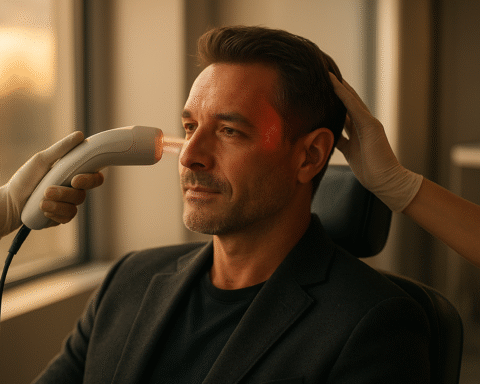
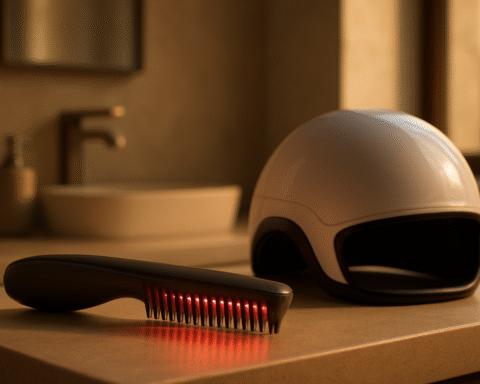
3. Low-Level Laser Therapy (LLLT)
Devices like laser combs and caps improve scalp blood flow and cellular metabolism. The vasodilatory effect of oral minoxidil complements LLLT’s photobiomodulatory action [10].
4. Nutritional Supplements
Optimal nutrition supports follicle health. The best hairmaxxing supplements with oral minoxidil include:
- Biotin (Vitamin B7)
- Vitamin D
- Zinc and Iron
- Omega-3 fatty acids
- Collagen peptides
These nutrients help maintain hair quality and reduce shedding.
5. Lifestyle Adjustments
- Manage stress through mindfulness or exercise
- Avoid smoking and excessive alcohol
- Maintain a balanced diet rich in protein and antioxidants
Together, these strategies enhance the overall hairmaxxing effect and promote sustainable regrowth.
Real-World Insights: User Experiences and Clinical Perspectives
Patients switching to oral minoxidil often report improved convenience and superior results compared to topical use. Many appreciate the simple once-daily pill and less scalp irritation.
Clinical Studies Highlight
- A retrospective review found 70-80% of patients experienced significant regrowth within six months on low-dose oral minoxidil [13].
- Side effects were mostly mild and reversible, with hypertrichosis being the most common [14].
- Dermatologists increasingly recommend oral minoxidil for patients intolerant to topical forms or with resistant hair loss [12].
Testimonials
“After struggling with scalp itching from topical minoxidil, switching to 0.5 mg oral minoxidil changed everything. My hair started to fill in around 4 months, and I feel more confident.” – M.L., 34
“Combining oral minoxidil with finasteride and microneedling gave me visible results in half the time I expected. The key was careful dose adjustment and regular heart checks.” – J.P., 42
These real-life stories align with clinical data, reinforcing the promise of oral minoxidil hairmaxxing 2026.
Integrating Oral Minoxidil into a Complete Hairmaxxing System
Oral minoxidil is a powerful tool, but for best results, it should fit within a comprehensive hairmaxxing approach. This includes:
- Personalized dosing and medical supervision
- Heart health monitoring protocols
- Synergistic therapies like finasteride, LLLT, and microneedling
- Nutritional optimization and lifestyle changes
For an in-depth, step-by-step hairmaxxing protocol featuring oral minoxidil dosing guide 2026, heart health monitoring checklists, and faster hair regrowth strategies 2026, visit supermaxxed.com/hairmaxxing-guide.
Frequently Asked Questions About Oral Minoxidil Hairmaxxing 2026
Is oral minoxidil more effective than topical minoxidil for hair regrowth?
Oral minoxidil often provides more consistent systemic levels, which can lead to better outcomes, especially in patients who do not tolerate or respond well to topical formulations. However, individual responses vary, and the choice depends on tolerance and medical advice [2][4].
How do I safely transition from topical to oral minoxidil?
Discontinue topical minoxidil, start low-dose oral minoxidil (0.25-1 mg daily), and undergo regular cardiovascular monitoring. A stepwise approach with a healthcare provider ensures safety and efficacy [3][4].
What is the recommended starting dose in the oral minoxidil dosing guide 2026?
Starting doses typically range from 0.25 mg to 1 mg daily. The dose is adjusted based on response and side effects, rarely exceeding 5 mg [5].
Are there heart risks associated with oral minoxidil?
Yes. Oral minoxidil can cause fluid retention, increased heart rate, and low blood pressure. Heart health monitoring is essential, especially for those with pre-existing cardiovascular issues [6][7].
Can I combine oral minoxidil with other hair loss treatments?
Yes. Combining oral minoxidil with finasteride, microneedling, low-level laser therapy, and nutritional supplements can accelerate hair regrowth and improve results [8][9][10].
Elevate Your Hairmaxxing Journey with Oral Minoxidil Hairmaxxing 2026
Oral minoxidil hairmaxxing 2026 stands at the forefront of advanced hair regrowth strategies. By understanding how to transition safely from topical formulations, personalizing your dosing, and committing to heart health monitoring, you unlock a potent approach to combat hair thinning.
Harnessing synergies through complementary therapies and lifestyle choices further accelerates progress, offering a holistic path to fuller, healthier hair. This systemic method is not just a treatment but a cornerstone of the modern hairmaxxing system.
For a full, expertly crafted protocol featuring the latest oral minoxidil dosing guide 2026, heart health monitoring checklists, and proven faster hair regrowth strategies 2026, explore the complete guide at supermaxxed.com/hairmaxxing-guide and take control of your hair future today.
References
- FDA Drug Approval History – Minoxidil topical: FDA.gov
- Messenger AG, Rundegren J. "Minoxidil: mechanisms of action on hair growth." Br J Dermatol. 2004;150(2):186-94. PubMed
- Trueb RM. "Oral minoxidil for the treatment of hair loss." Skin Therapy Lett. 2020;25(3):5-7. PubMed
- Tosti A. Expert commentary on oral minoxidil use. DermNet NZ. DermNetNZ
- Ramos PM et al. "Low-dose oral minoxidil for hair loss: a review." J Eur Acad Dermatol Venereol. 2021;35(2):e121-e123. PubMed
- Mayo Clinic. Minoxidil (Oral Route) Precautions. MayoClinic.org
- Sinclair R. "Safety and efficacy of low-dose oral minoxidil for hair loss." Dermatol Ther. 2021;34(2):e14702. PubMed
- Kaufman KD et al. "Finasteride in the treatment of men with androgenetic alopecia." J Am Acad Dermatol. 1998;39(4 Pt 1):578-89. PubMed
- Dhurat R et al. "A randomized evaluator blinded study of effect of microneedling in androgenetic alopecia." Int J Trichology. 2013;5(1):6-11. PMC
- Jimenez JJ et al. "Efficacy and safety of low-level laser therapy for androgenetic alopecia." Lasers Med Sci. 2014;29(1):365-371. PubMed
- American Academy of Dermatology Association. Hair loss: Who gets and causes. AAD.org
- 2023 Dermatology Practice Trends Survey. American Academy of Dermatology. AAD.org
- Sinclair R et al. "Low-dose oral minoxidil for hair loss: a retrospective review." J Am Acad Dermatol. 2020;83(2):455-457. PubMed
- Siah TW et al. "Side effects of low-dose oral minoxidil for hair loss." J Dermatolog Treat. 2021;32(3):324-327. PubMed
- ClinicalTrials.gov. Extended-release oral minoxidil in androgenetic alopecia. ClinicalTrials.gov
- Compound Pharmacy Information on Minoxidil/Finasteride Combination. CompoundingPharmacy.com
- Jabbari A et al. "Oral minoxidil for alopecia areata: a review." Int J Dermatol. 2022;61(5):e179-e183. PubMed