
Laser Comb Hairmaxxing 2026: Comb vs Helmet Buyer’s Guide
Discover the best laser comb hairmaxxing 2026 devices. Compare combs vs helmets for hair density, usage tips, costs, and protocols for at-home hair growth.
Explore the Future of At-Home Hair Growth with Laser Comb Hairmaxxing 2026
Hair thinning and loss can be frustrating, and finding effective, non-invasive treatments that fit into busy lives remains a top priority. Low-Level Laser Therapy (LLLT) has emerged as a scientifically backed option to boost hair density without clinical visits. In 2026, the landscape of LLLT devices is richer than ever, with options ranging from handheld laser combs to high-tech full helmets.
If you’re wondering whether to buy laser hair growth comb 2026 models or invest in a full helmet, this guide will clarify the differences. We’ll cover everything from how these devices work, their costs, ease of use, and clinical effectiveness. Plus, you’ll discover the latest hairmaxxing laser treatment protocol to help maximize your results at home.
By the end, you’ll understand which device suits your lifestyle and budget, and how to integrate LLLT seamlessly into your hair restoration routine.

What Exactly Is Low-Level Laser Therapy for Hair Growth?
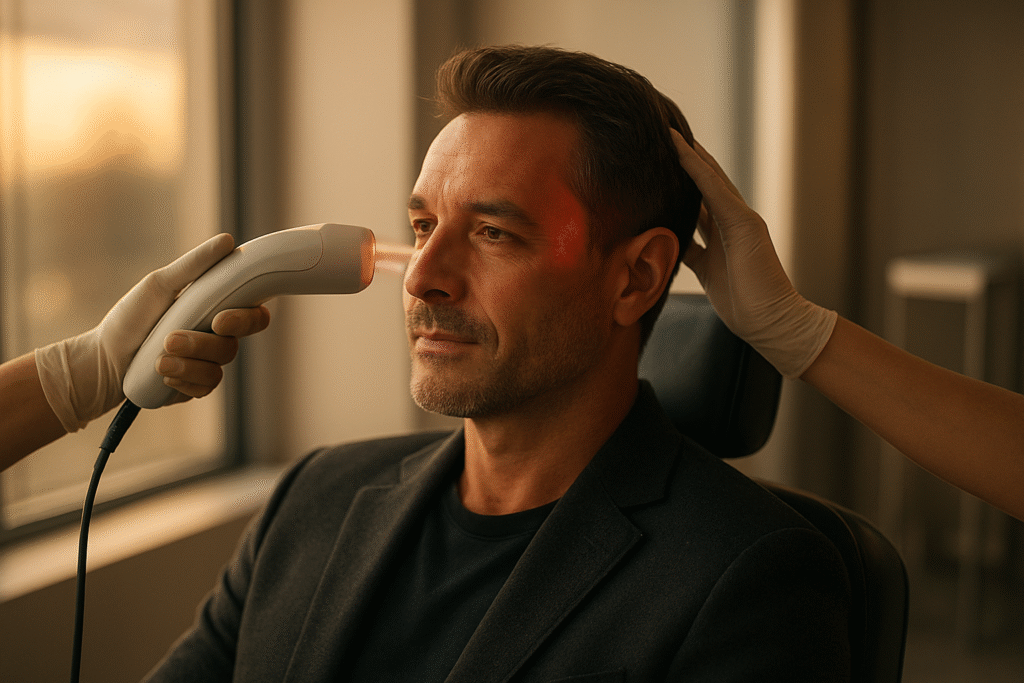
Low-Level Laser Therapy (LLLT) uses specific wavelengths of light, typically red or near-infrared, to stimulate hair follicles. This stimulation enhances cellular energy production, improves blood circulation in the scalp, and encourages follicles to transition from resting to active growth phases.
LLLT isn’t new; it’s been FDA-cleared since 2007 for hair growth (FDA.gov). Over the years, multiple clinical trials have shown consistent results in increasing hair density and thickness for men and women dealing with androgenetic alopecia, the most common form of hair loss.
One landmark study published in Lasers in Surgery and Medicine (2014) found that participants using LLLT devices exhibited significant hair growth after 26 weeks. This evidence has fueled the consumer market, making at-home laser hair therapy devices increasingly popular among people looking for effective, non-pharmaceutical solutions (PMC Article).
LLLT offers a painless, non-invasive alternative with minimal side effects, which is why it’s gained traction for home use. But with so many devices available in 2026, understanding the differences between laser comb hairmaxxing 2026 options is key.
The Two Titans of At-Home LLLT: Laser Comb vs Full Helmet
Laser Comb Devices: Precision Meets Affordability
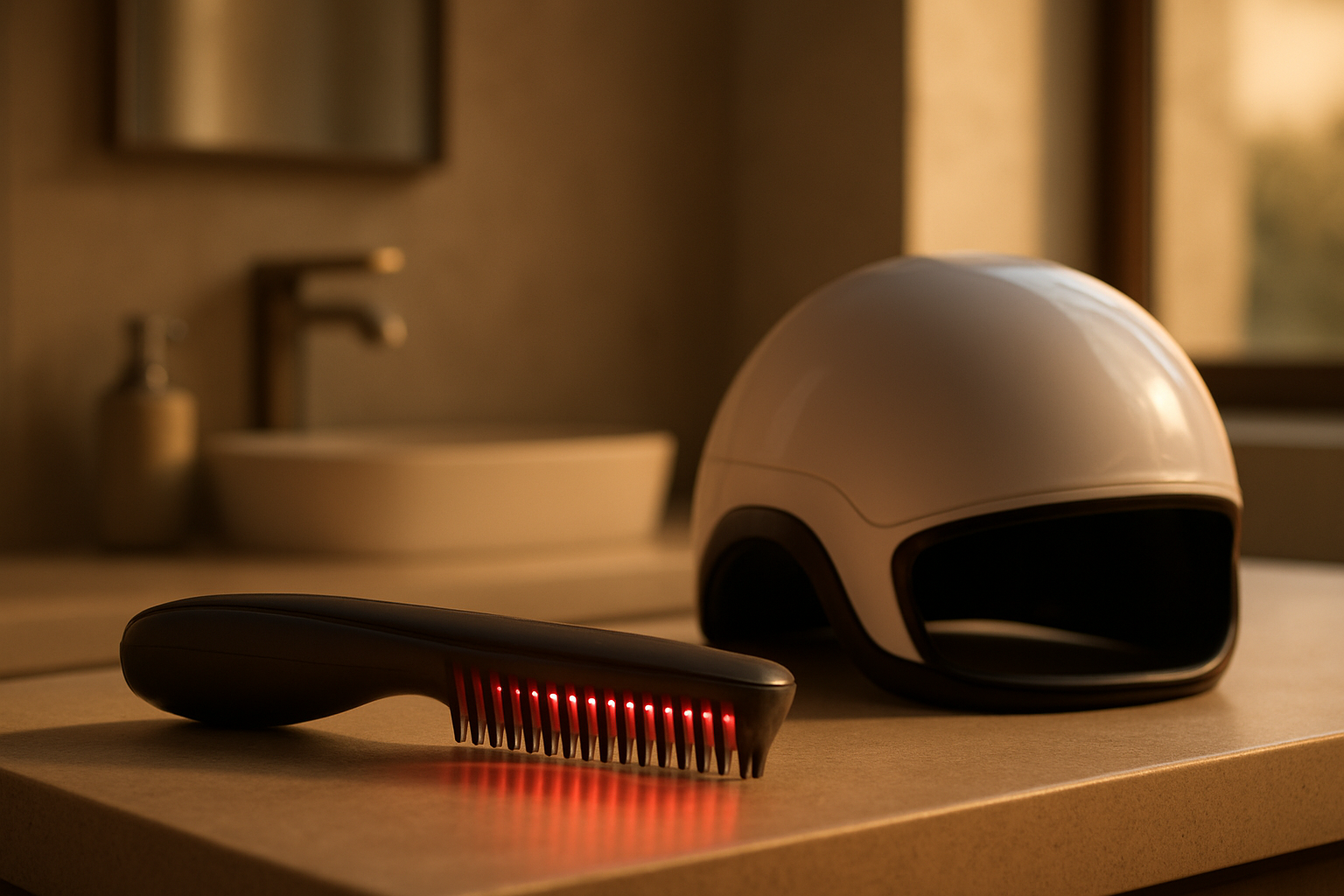
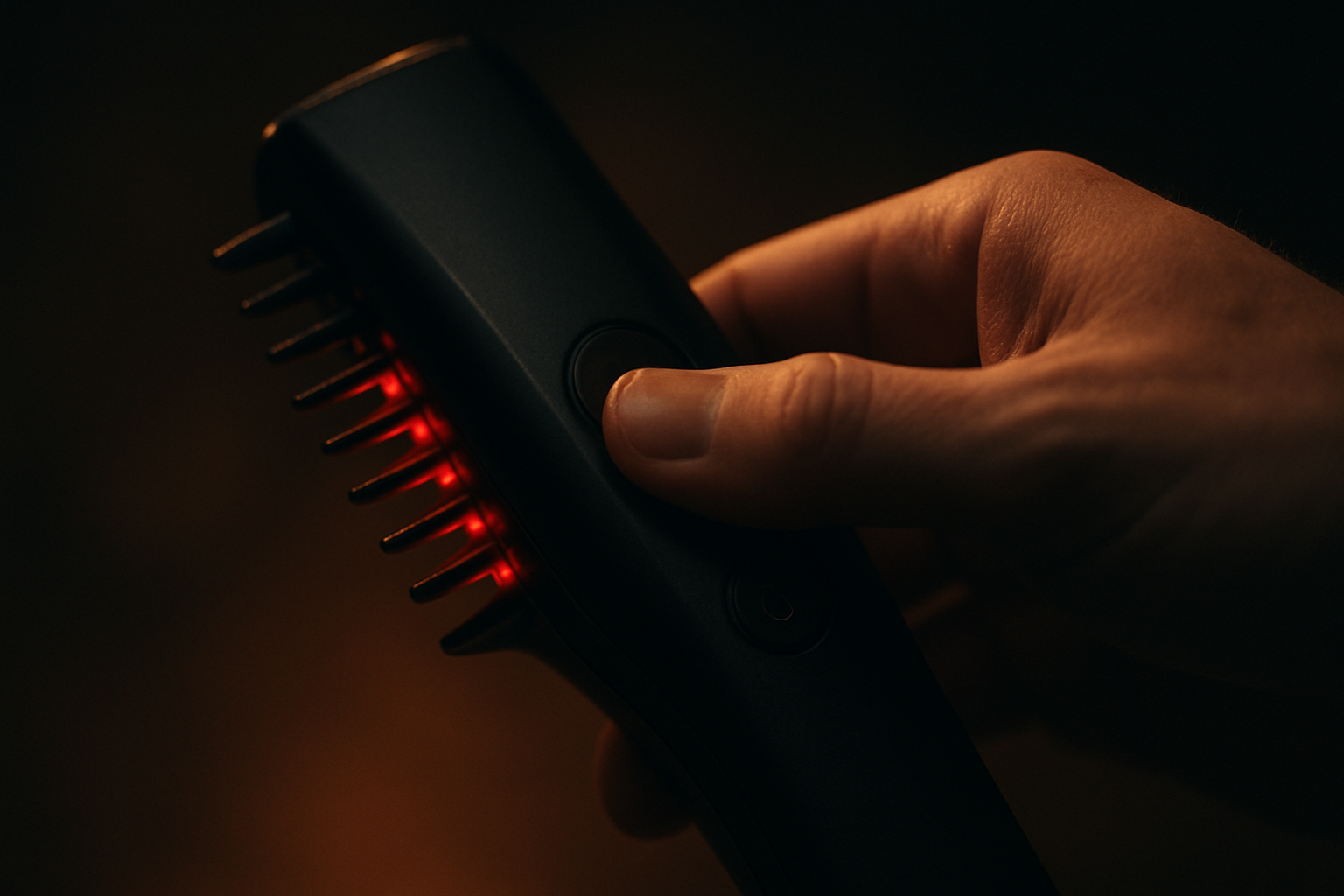
Laser combs are handheld devices designed to be swept manually through thinning areas of the scalp. They resemble traditional combs but house an array of laser diodes that emit light at wavelengths optimized for follicular stimulation, usually between 630-670 nm.
Key Features:
- Targeted treatment: Focuses laser light on specific spots where hair is thinning.
- Portability: Compact and easy to carry or travel with.
- Cost-effective: Typically priced between $100 and $300.
- Manual operation: Requires active movement across the scalp, which demands time and attention.
Pros:
- Lower upfront investment makes laser combs an accessible entry point.
- Ability to precisely target stubborn thinning zones.
- Lightweight and easy to store.
Cons:
- Requires patience and consistent effort to cover the entire scalp.
- Treatment sessions may take longer due to manual combing.
- Uneven coverage risks missing areas or overexposing others.
- User fatigue can reduce compliance, affecting results.
Full Helmet Devices: Comprehensive and Hands-Free
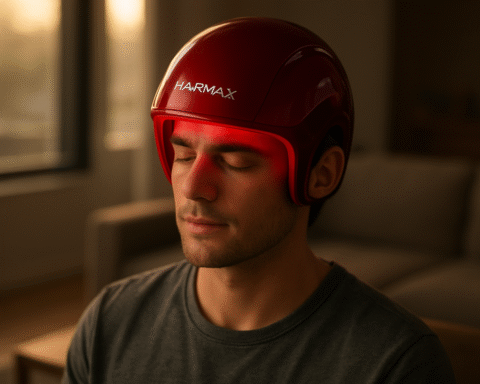
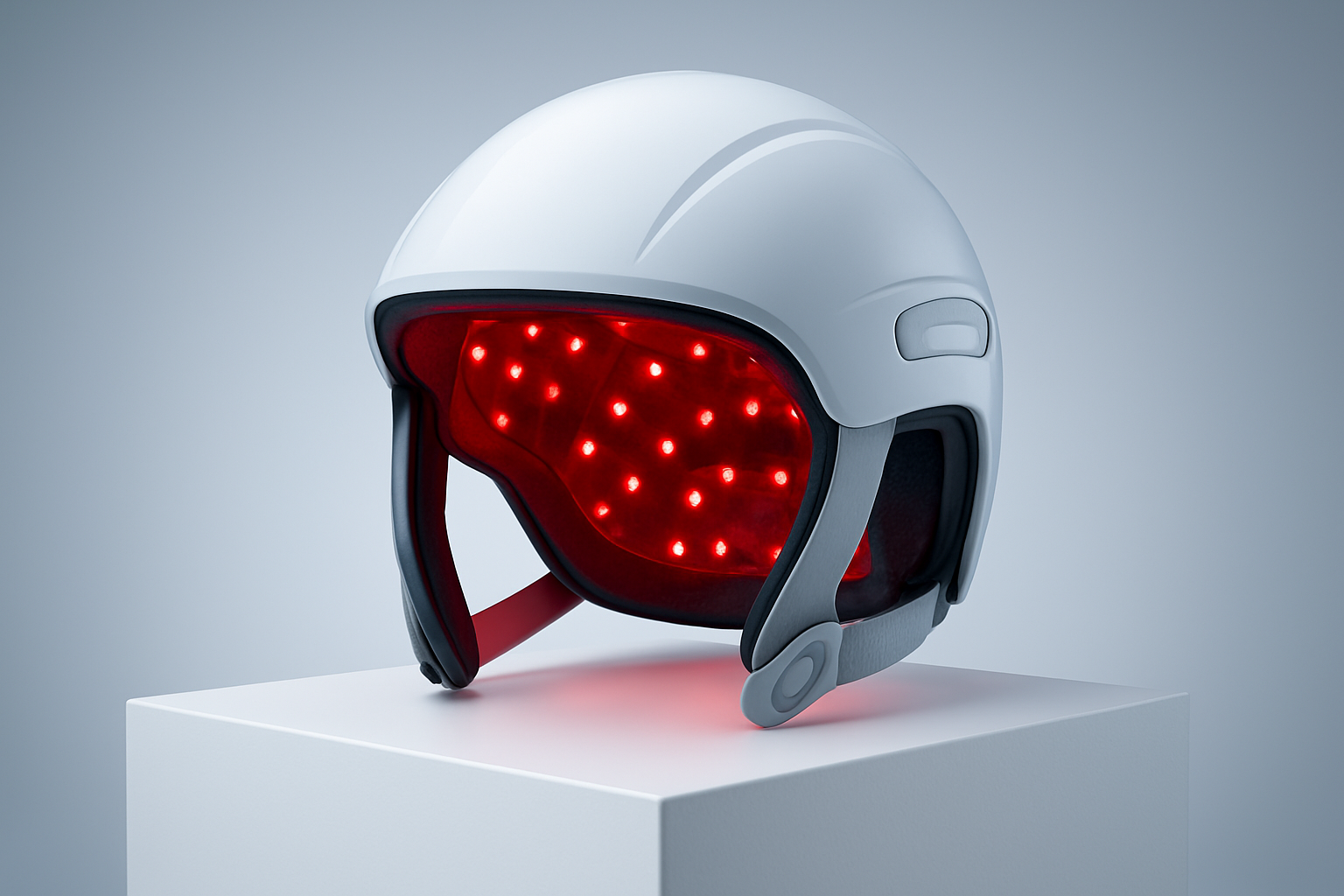
Full helmets or caps are designed to envelop the entire scalp. They contain numerous laser diodes and LEDs arranged to provide uniform light distribution over all hair-bearing regions without the need for manual movement.
Key Features:
- Uniform coverage: Treats the whole scalp simultaneously.
- Hands-free operation: Simply wear the helmet during sessions.
- Advanced technology: Many helmets incorporate additional features like vibration or heat to enhance absorption.
- Price range: Typically between $600 and $1,200 or more.
Pros:
- Convenience encourages better adherence to treatment schedules.
- Consistent and controlled light dosage improves clinical outcomes.
- Shorter, more efficient sessions (usually 15-30 minutes).
Cons:
- Higher cost can be a barrier for some.
- Bulky compared to combs, less portable.
- Some users may find helmets uncomfortable or cumbersome.
Summing Up the Device Differences
| Feature | Laser Comb Devices | Full Helmets |
|---|---|---|
| Cost | $100 – $300 | $600 – $1,200+ |
| Coverage | Targeted | Full scalp |
| Operation Mode | Manual | Hands-free |
| Treatment Duration | Longer, multiple passes | Shorter, single session |
| User Compliance | May vary, lower | Generally higher |
| Clinical Effectiveness | Moderate (technique-dependent) | Higher (consistent delivery) |
How Effective Are Laser Combs Compared to Full Helmets?
The question “laser helmet vs comb for hair loss” is common among those exploring LLLT options. Scientific literature and expert opinion suggest that while both devices can stimulate hair growth, helmets tend to produce more consistent results.
Dr. Antonella Tosti, a leading dermatologist, emphasizes that helmets’ uniform coverage makes them more reliable for full scalp treatment. The hands-free design reduces user error and improves adherence, which is crucial for success (Dermatology Times).
Professor Rodney Sinclair from the University of Melbourne highlights the importance of dose consistency. Since LLLT is dose-dependent, helmets that deliver a steady dose across the scalp typically outperform combs that rely on manual application (University of Melbourne).
However, combs still hold value for users focusing on localized thinning or those on a budget. They can produce moderate improvements with diligent use but require more time and effort.
Clinical Evidence Snapshot
- A 2014 RCT confirmed LLLT increases hair density and thickness after 26 weeks.
- User surveys in 2025 showed 62% prefer helmets for convenience and efficacy (ISHRS.org).
- Compliance is a major factor influencing outcomes; helmets score higher in this area.
Practical Usage Tips for At-Home Laser Hair Therapy Devices
Consistency is king when it comes to the hairmaxxing laser treatment protocol. Whether you opt for a laser comb or helmet, following a structured routine greatly influences results.
Recommended Treatment Schedule
- Frequency: 3 to 5 sessions weekly.
- Session Length:
- Laser combs: 10-15 minutes per session, covering all thinning areas carefully.
- Helmets: 15-30 minutes per session, full scalp coverage.
- Duration Before Results: Expect to see visible changes after 12 to 24 weeks.
- Maintenance: Continuous treatment is necessary to preserve gains long-term.
Tips for Laser Comb Users
- Divide the scalp into sections and comb each area slowly and thoroughly.
- Use a mirror or enlist help to ensure even coverage on hard-to-see spots.
- Avoid rushing; consistent, deliberate passes maximize laser exposure.
Tips for Helmet Users
- Ensure the helmet fits snugly for optimal diode contact with the scalp.
- Use the device in a comfortable setting to encourage adherence.
- Clean the helmet regularly to maintain hygiene and performance.
Combining LLLT with Other Treatments
Integrating LLLT with FDA-approved treatments like topical minoxidil or oral finasteride can amplify hair regrowth. Always consult your healthcare provider before combining therapies to tailor a safe, effective plan (American Academy of Dermatology).
What About Safety? Are There Any Side Effects?
LLLT is widely regarded as safe when used according to manufacturer instructions. It is non-invasive, painless, and does not involve UV radiation or harmful heat.
Potential Side Effects
- Mild scalp irritation or redness (rare).
- Temporary hair shedding initially, which can indicate follicle cycling.
- Eye safety: Avoid direct laser exposure to eyes; most devices have safeguards.
No serious adverse effects have been reported in clinical studies, making LLLT a low-risk option for hairmaxxing.
Market Trends and Innovations in Laser Comb Hairmaxxing 2026
The at-home laser hair therapy devices market is booming. Forecasts predict a $1.2 billion valuation by 2027, driven by increasing consumer interest and technological advances (Grand View Research).
Innovations to Watch
- Hybrid Devices: Some manufacturers now offer modular systems that combine comb and helmet features, allowing users to switch between targeted and full scalp treatments without buying separate devices (HairMax).
- AI-Enabled Helmets: New helmets include AI sensors that track scalp coverage, treatment adherence, and hair density changes to fine-tune sessions in real-time (TechCrunch).
- Optimized Wavelengths: Research in 2025 suggests a precise 655 nm wavelength offers peak follicular stimulation, guiding device manufacturers to refine laser diodes for improved efficacy (Journal of Photomedicine and Laser Surgery).
How Much Will You Invest in Your Hairmaxxing Journey?
Cost considerations are key when deciding between laser comb hairmaxxing 2026 devices.
-
Laser Combs: $100-$300 upfront.
- Low entry cost but may require longer treatment times and more manual effort.
- Replacement parts or batteries may add small additional costs.
-
Full Helmets: $600-$1,200+ upfront.
- Higher cost but offers convenience and potentially superior results.
- Some models come with warranties and software updates.
Think of this as an investment in confidence and self-care. Weigh the cost against your lifestyle and willingness to commit to regular sessions.
Real User Experiences and Clinical Testimonials
Many users report positive experiences with both device types, though convenience often tips the scale.
-
Laser Comb User:
“I bought a laser comb to target my receding hairline. It took patience, but after 5 months, I noticed thicker hair in those spots. It’s affordable but requires dedication.” -
Helmet User:
“The helmet fits easily into my routine—I use it while reading or watching TV. After 4 months, my hair feels fuller, and the scalp coverage can’t be beat.”
Clinical experts confirm that user compliance and consistent use drive success more than device type alone.
How to Buy the Best LLLT Device for Hair Growth 2026
If you’re ready to buy laser hair growth comb 2026 models or helmets, here’s a straightforward checklist:
- Assess Your Hair Loss Pattern: Localized thinning? A comb might suffice. Widespread loss? Consider a helmet.
- Set a Budget: Determine upfront cost and factor in long-term adherence.
- Check Device Specifications: Look for FDA clearance, optimal wavelength (around 655 nm), and user reviews.
- Consider Lifestyle: Hands-free helmets suit busy schedules; combs require time and effort.
- Review Warranty and Support: Reliable customer service and warranty coverage are essential.
Don’t forget to explore the detailed hairmaxxing laser treatment protocol at supermaxxed.com/hairmaxxing-guide to ensure you use your device effectively.
Frequently Asked Questions About Laser Comb Hairmaxxing 2026
1. What is the difference between laser combs and full helmets for hair growth?
Laser combs require manual operation and target specific areas, making them more affordable but time-consuming. Full helmets provide uniform, hands-free treatment across the entire scalp, offering convenience and usually better results due to consistent dosing.
2. Which device is more effective for improving hair density?
Full helmets generally have higher effectiveness because they deliver a consistent light dose over the whole scalp, improving user compliance and coverage. However, laser combs can be effective if used diligently, especially for localized thinning.
3. How often should I use a laser comb or helmet for the best results?
Most protocols recommend 3 to 5 times per week, with sessions lasting 15 to 30 minutes depending on the device. Consistency over 12 to 24 weeks is necessary to see visible improvements.
4. Are there any risks or side effects associated with LLLT devices?
LLLT is safe with minimal side effects. Some users may experience mild scalp irritation or temporary shedding initially. Avoid looking directly at laser lights; devices are designed with safety features to protect the eyes.
5. Can I combine LLLT with other hair growth treatments?
Yes, combining LLLT with topical minoxidil or oral medications like finasteride can enhance results. Always consult a healthcare professional before combining treatments to ensure safety and effectiveness.
Choosing Your Laser Comb Hairmaxxing 2026 Device: Your Path to Fuller Hair
Laser comb hairmaxxing 2026 offers promising options for anyone eager to improve hair density at home. While comb devices provide an affordable, targeted approach, full helmets stand out for their convenience, consistent coverage, and likely superior clinical outcomes.
The best LLLT device for hair growth 2026 depends on your budget, hair loss pattern, and lifestyle. Remember that adherence to a proper hairmaxxing laser treatment protocol is critical regardless of the device chosen.
By selecting a device that fits your needs and committing to regular use, you can confidently embark on your hair restoration journey. For a comprehensive treatment plan and expert guidance, visit supermaxxed.com/hairmaxxing-guide and take your first step toward thicker, healthier hair today.
Authoritative Resources for Further Reading
-
U.S. Food and Drug Administration (FDA) – Low-Level Laser Therapy Devices for Hair Growth
https://www.fda.gov/medical-devices/general-hospital-devices-and-supplies/low-level-laser-therapy-lllt-devices-hair-growth -
National Institutes of Health (NIH) – Clinical Trial on LLLT and Hair Growth
https://www.ncbi.nlm.nih.gov/pmc/articles/PMC4126803/ -
Grand View Research – Low-Level Laser Therapy Market Analysis
https://www.grandviewresearch.com/industry-analysis/low-level-laser-therapy-lllt-market
By understanding the nuances of laser comb hairmaxxing 2026 devices and following proven protocols, you can make an informed choice that fits your unique hair growth needs.