

Hairmaxxing Guide: Prevent Balding & Boost Hair Density Fast
Discover the ultimate hairmaxxing guide to prevent balding, boost hair density, and style for perfect hair. Expert tips and proven techniques inside.
Unlocking the Secrets to Fuller, Healthier Hair: Your Hairmaxxing Journey Starts Here
If you’ve noticed your hair thinning or are worried about balding, you’re not alone. Millions face the same challenge, but there’s good news: hairmaxxing offers a proactive, well-rounded approach to not just slow down hair loss but actually improve your hair’s density and appearance. This guide covers everything from how to prevent balding naturally to the best treatments for hair density and advanced hair growth methods. Plus, you’ll find hairstyle tips for thinning hair that help you look your best every day.
Whether you’re just beginning to notice changes or already exploring treatments, this comprehensive hairmaxxing guide blends science-backed strategies with practical styling advice. By the end, you’ll understand how to create a personalized routine that supports strong, voluminous hair, helping you regain confidence and control over your hair health.
Understanding Hair Loss: Causes, Types, and Early Detection
Hair loss can feel overwhelming, but knowing the root causes and identifying early signs is the first step toward effective hairmaxxing. Hair loss is not a one-size-fits-all issue; it varies widely from person to person.
What Causes Hair Loss?
The most common culprit behind hair thinning and balding is androgenetic alopecia—often called male or female pattern baldness. It affects nearly 50% of men by age 50 and around 40% of women during menopause, according to the National Institute of Arthritis and Musculoskeletal and Skin Diseases. This condition is linked to genetics and hormones, mainly dihydrotestosterone (DHT), which shrinks hair follicles and shortens the hair growth cycle.
Other causes include:
- Telogen Effluvium: Temporary hair shedding triggered by stress, illness, or medications.
- Alopecia Areata: An autoimmune disorder causing patchy hair loss.
- Nutritional Deficiencies: Lack of iron, vitamins, or protein can weaken hair.
- Scalp Conditions: Dandruff, psoriasis, or infections may contribute to hair loss.
Types of Hair Loss to Watch For
- Diffuse thinning: Overall reduction in hair density, often linked to stress or nutrition.
- Receding hairline: Common in men, starting at the temples.
- Crown balding: Hair loss in the vertex or crown area.
- Patchy loss: Sudden bald spots, characteristic of alopecia areata.
Early Detection: Why It Matters
Spotting hair loss early can dramatically improve your results with hairmaxxing techniques. Look for:
- Excessive hair shedding during washing or brushing.
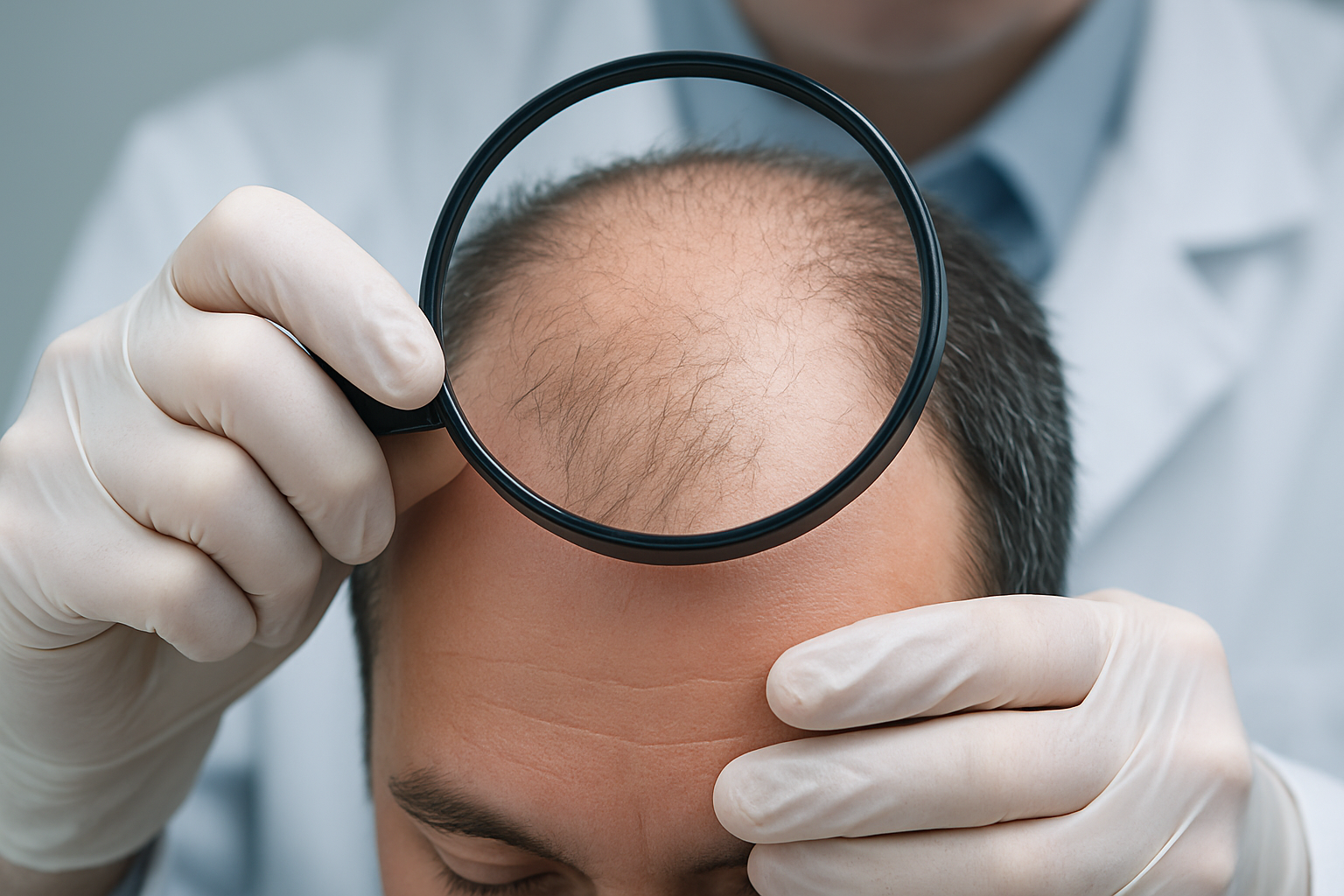
- Noticeable thinning on the scalp, especially around the hairline or crown.
- Changes in hair texture or brittleness.
Regular scalp checks and even photos over time help track subtle changes. If you notice persistent thinning, consulting a dermatologist early can guide you to the best treatment path.
How to Prevent Balding Naturally: Lifestyle Changes and Scalp Care
Preventing balding naturally involves a combination of nourishing your body, caring for your scalp, and adopting habits that protect your hair follicles. These simple yet effective steps lay the foundation for all hairmaxxing techniques.
Nutrition: Feed Your Hair From Within
Hair is a living tissue that needs specific nutrients to grow strong and dense. Deficiencies can accelerate thinning and hair loss.
- Protein: Hair is primarily made of keratin, a protein. Include quality sources like lean meats, eggs, legumes, and nuts.
- Iron: Low iron levels are tied to hair loss, especially in women. Spinach, red meat, and fortified cereals help maintain iron stores.
- Zinc and Selenium: Trace minerals important for follicle health. Found in seafood, nuts, and seeds.
- Vitamins A, C, D, and E: Support scalp health and hair follicle function. Citrus fruits, leafy greens, and fatty fish are rich sources.
- B-Complex Vitamins (especially Biotin): Often marketed for hair, these vitamins aid in cellular metabolism.
A balanced diet combined with proper hydration creates an environment where hair follicles thrive.
Stress Management: Keep Hair Loss at Bay
Stress triggers hormonal imbalances that can push hair follicles into the shedding phase prematurely. To counter this:
- Practice mindfulness techniques such as meditation or yoga.
- Prioritize regular physical activity to reduce cortisol levels.
- Maintain consistent sleep patterns for overall hormonal balance.
These habits not only improve hair but benefit your entire well-being.
Scalp Care Essentials
Healthy hair starts with a healthy scalp. Consider these scalp care tips:
- Use gentle, sulfate-free shampoos to avoid irritation.
- Avoid excessive heat styling that can damage follicles.
- Incorporate scalp massage into your routine to boost circulation and stimulate growth (more on this later).
- Keep scalp clean but avoid over-washing, which can strip natural oils.
Avoiding Harmful Habits
Certain practices accelerate hair damage and loss:
- Tight hairstyles that pull on hair roots (e.g., tight ponytails or braids).
- Excessive chemical treatments like bleaching or perms.
- Smoking, which reduces blood flow to hair follicles.
By addressing these lifestyle factors, you’re already making significant strides in how to prevent balding naturally.

Medical and Supplement-Based Treatments for Hair Growth
When natural methods aren’t enough, medically approved treatments and supplements provide targeted support for hair growth and density. This section covers the best treatments for hair density backed by science.
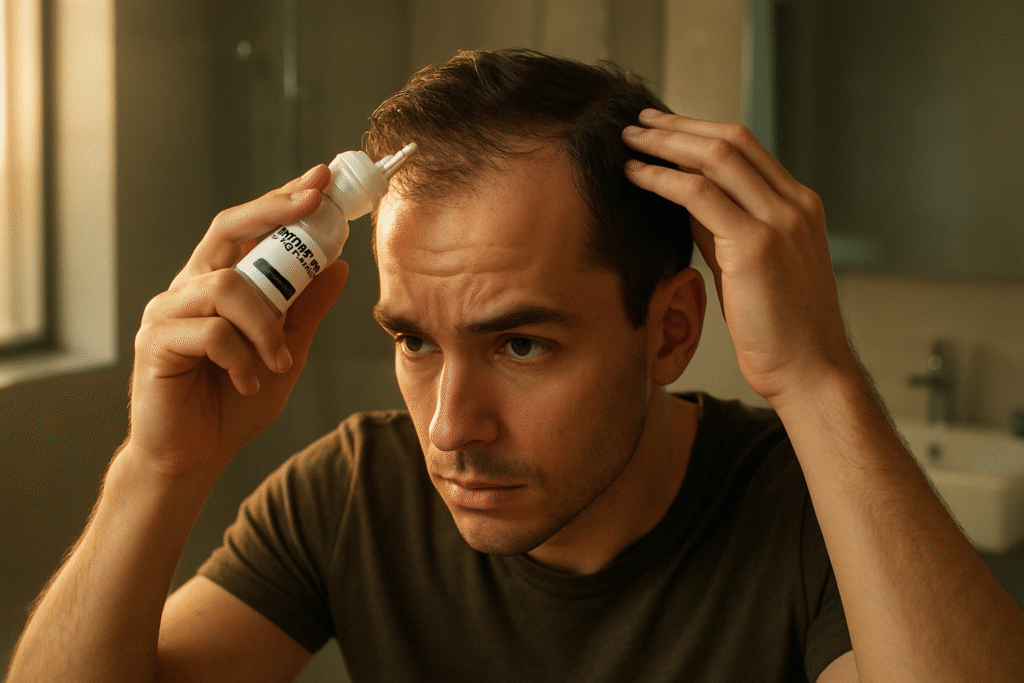
Minoxidil: The Topical Game-Changer
Minoxidil is one of the most widely used and FDA-approved topical solutions for androgenetic alopecia. It works by widening blood vessels in the scalp, improving follicle oxygenation and nutrient delivery. This prolongs the anagen (growth) phase of hair.
- Usage: Typically applied twice daily as a foam or liquid.
- Results: Studies show 40-60% of users experience noticeable regrowth after 6-12 months American Hair Loss Association.
- Side Effects: Mild scalp irritation; rare systemic effects.
Consistency is key since stopping treatment often leads to reversal of gains.
Finasteride: Oral Hormonal Control
Finasteride is an oral medication that blocks 5-alpha reductase, the enzyme converting testosterone to DHT. Lower DHT levels reduce follicle miniaturization.
- Effectiveness: Clinical trials demonstrate slowed hair loss and regrowth in many men FDA Drug Database.
- Usage: Daily pill, usually 1 mg dose.
- Considerations: Not recommended for women; potential side effects include sexual dysfunction in a small percentage of users.
Consult a healthcare provider before starting finasteride to weigh benefits and risks.
Nutritional Supplements: Filling the Gaps
Supplements can support hairmaxxing by correcting deficiencies and providing targeted nutrients:
- Biotin: Popular, though evidence is stronger for those with deficiency.
- Marine Collagen: Supports hair structure and elasticity.
- Saw Palmetto: Natural DHT blocker, though clinical evidence is limited.
- Multivitamins: Balanced formulas covering essential vitamins and minerals.
Choose supplements from reputable brands and discuss with your doctor to avoid interactions.
Advanced Hair Growth Methods: Microneedling, PRP, and Low-Level Laser Therapy
For those seeking to accelerate results beyond foundational treatments, advanced hairmaxxing techniques offer promising options.
Microneedling: Stimulating Regrowth Through Controlled Injury
Microneedling uses tiny needles to create micro-injuries on the scalp. This triggers a healing response that releases growth factors, enhances blood flow, and promotes new collagen production.
- How it works: Devices vary from dermarollers to automated pens.
- Evidence: Studies show combining microneedling with minoxidil improves hair count and thickness significantly.
- Frequency: Typically once every 1-2 weeks.
- Precautions: Must be done carefully to avoid infection or scarring.
Platelet-Rich Plasma (PRP): Harnessing Your Body’s Own Growth Factors
PRP involves drawing a small amount of your blood, concentrating the platelets, and injecting the plasma into the scalp to stimulate follicle activity.
- Clinical Results: Multiple sessions can increase hair density and diameter, as reported in studies Journal of Cutaneous and Aesthetic Surgery.
- Procedure: Outpatient, minimally invasive, with little downtime.
- Limitations: Cost and variability in response between individuals.
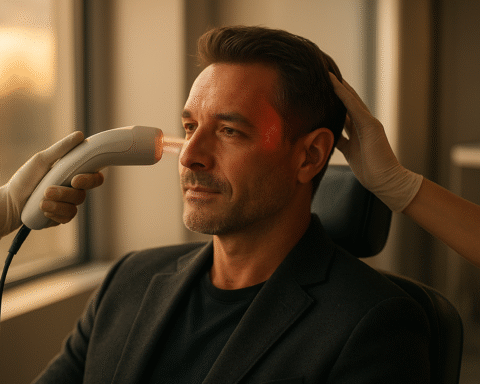
Low-Level Laser Therapy (LLLT): Light-Based Follicle Activation
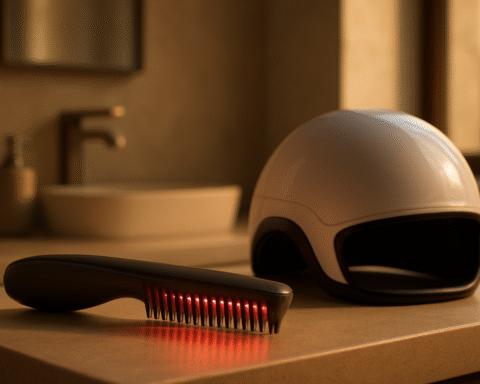
LLLT devices emit red light wavelengths that stimulate cellular metabolism and increase blood flow to hair follicles.
- Devices: Available as helmets, caps, or combs.
- Research: Meta-analyses confirm LLLT’s ability to improve hair density in androgenetic alopecia PubMed Central.
- Usage: Regular sessions, often daily or several times a week, for several months.
These advanced hairmaxxing techniques are often combined with topical or oral therapies for best results.
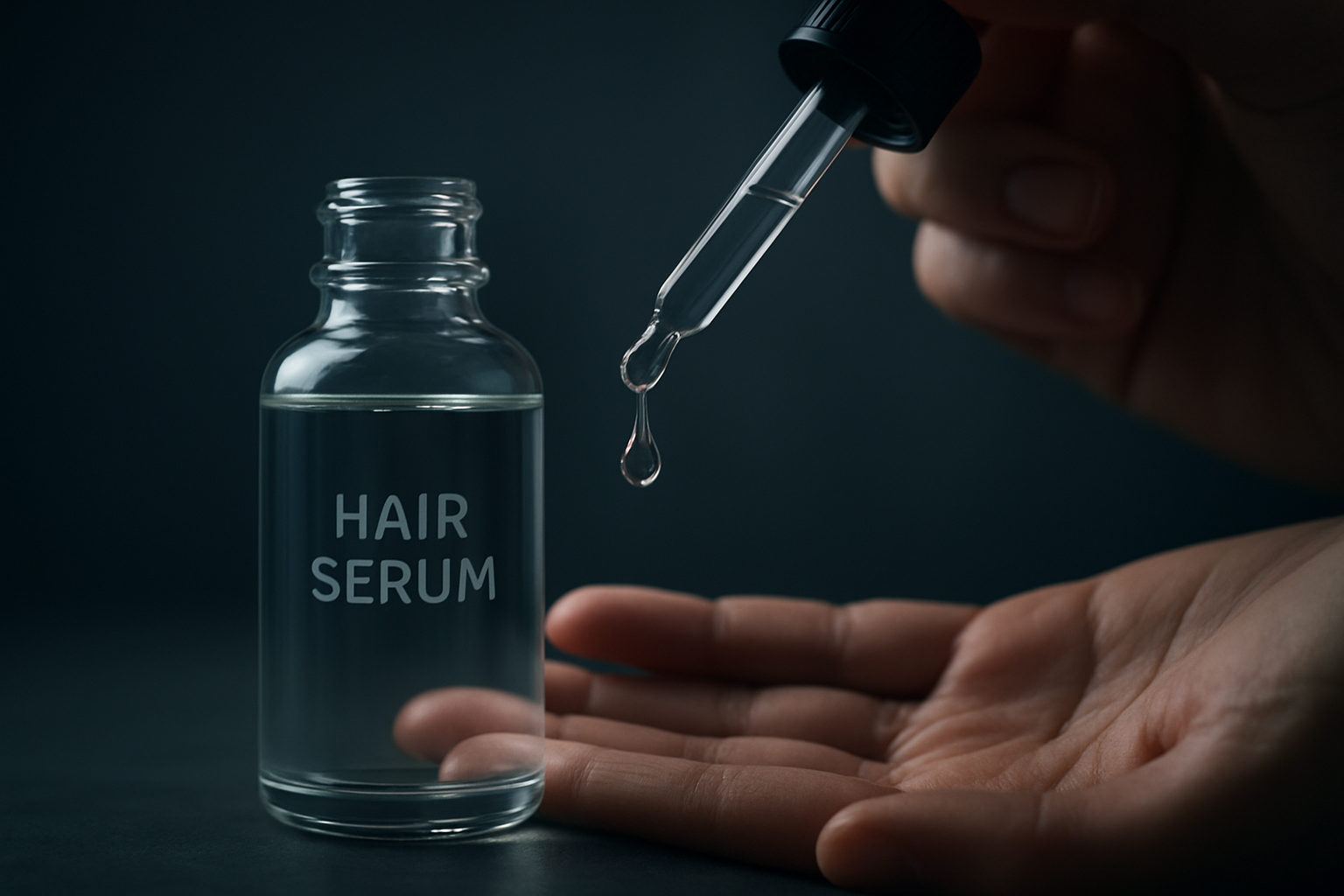
Hair Density Boosting Strategies: Topicals, Massage, and Product Recommendations
Beyond treatments, there are practical ways to boost hair density appearance and support follicle health.
Scalp Massage: Simple Yet Powerful
Regular scalp massage enhances blood circulation, delivering nutrients and oxygen to follicles. Studies suggest it can increase hair thickness when done consistently.
- Use gentle pressure with fingertips in circular motions.
- Aim for 5-10 minutes daily or every other day.
- Combine with essential oils like rosemary or peppermint for added benefits.
Topical Products That Promote Thickness
Certain shampoos and serums contain ingredients shown to improve hair density:
- Caffeine: Stimulates hair shaft elongation.
- Ketoconazole: Anti-inflammatory and DHT-reducing properties.
- Niacinamide: Enhances scalp barrier and circulation.
Look for products free from harsh sulfates and parabens to avoid scalp irritation.
Hair Fibers and Concealers: Instant Density Boosters
If you want immediate visual improvement, keratin-based hair fibers cling to existing strands, making hair look fuller.
- Easy to apply and blend with natural hair color.
- Ideal for special occasions or daily use.
- Use in conjunction with other hairmaxxing techniques for long-term results.
Hairstyle Tips for Thinning Hair: Creating the Illusion of Volume and Density
How you style your hair can make a remarkable difference in perceived hair density. Here are expert hairstyle tips for thinning hair.
Choose Cuts That Add Volume and Movement
- Layered styles: Add dimension and reduce flatness.
- Texturizing: Removes bulk from heavy areas, adding bounce.
- Short to Medium Length: Longer hair can weigh down and highlight thin spots.
Consult a hairstylist experienced in working with thinning hair to tailor a cut that suits your hair type and face shape.
Strategic Coloring Techniques
- Highlights and lowlights create depth and shadowing, tricking the eye into seeing thicker hair.
- Avoid bleaching or harsh chemicals that can damage fragile hair.
- Regular toning keeps color fresh without over-processing.
Styling Products to Use and Avoid
- Use: Lightweight mousses, volumizing sprays, and root-lifting powders.
- Avoid: Heavy gels or waxes that clump hair and reveal scalp.
Blow-drying with a round brush can lift roots and create fuller appearance, but keep heat moderate to protect hair integrity.
Busting Common Myths About Hairmaxxing
Misconceptions about hair loss and treatments can lead to frustration or ineffective choices. Let’s clear up some common myths:
- Myth: Hair loss is caused only by poor hygiene.
Truth: Hair loss is primarily hormonal and genetic, not related to cleanliness. - Myth: Wearing hats causes baldness.
Truth: Hats do not suffocate hair follicles or cause hair loss. - Myth: You’ll see results overnight from treatments.
Truth: Hair growth is slow—expect several months before noticeable improvement. - Myth: Only men experience hairmaxxing issues.
Truth: Women are also significantly affected, especially during hormonal changes. - Myth: Natural oils alone can cure baldness.
Truth: Oils may improve scalp health but don’t reverse genetic hair loss.
Understanding these facts helps set realistic expectations and encourages adherence to scientifically supported hairmaxxing techniques.
Building a Personalized Hairmaxxing Routine: Tracking Progress and Adjusting
Your hairmaxxing guide isn’t complete without a plan tailored to your unique needs and goals. Here’s how to build a sustainable routine:
- Assess Your Hair and Scalp: Note thinning areas, hair texture, and scalp condition.
- Choose Treatments: Start with foundational lifestyle changes and topical products. Add medical or advanced therapies if needed.
- Set a Timeline: Hair growth cycles mean results take time; plan for 3-6 months before reassessing.
- Track Progress: Take monthly photos, keep a journal on shedding and density changes.
- Adjust as Needed: Consult professionals if progress stalls; consider adding or switching therapies.
- Maintain Consistency: Regular application and scalp care are essential for lasting benefits.
Apps and digital tools designed for hair health tracking can simplify this process, providing reminders and visual logs.
Frequently Asked Questions About Hairmaxxing
1. What exactly is hairmaxxing and how does it differ from general hair care?
Hairmaxxing is a strategic, multifaceted approach focused on maximizing hair health, density, and appearance through prevention, medical treatment, nutrition, and styling. Unlike general hair care, it combines scientifically validated techniques and advanced therapies to actively counter hair loss and optimize hair growth.
2. Can hairmaxxing actually prevent balding or reverse it?
Hairmaxxing can significantly slow or prevent balding, especially when started early. Some treatments may partially reverse hair loss by stimulating regrowth and improving follicle health. However, outcomes vary depending on genetics, age, and consistency of treatment.
3. How long does it take to see results from different hairmaxxing methods?
Most treatments require patience. Minoxidil and finasteride typically show results after 3-6 months of regular use. Advanced therapies like PRP or microneedling may take multiple sessions over several months. Hair fibers and styling give instant visual improvements but do not promote growth.
4. Are there risks or side effects associated with hairmaxxing techniques?
Some treatments carry risks. Finasteride can cause sexual side effects in rare cases. Minoxidil may irritate the scalp. PRP and microneedling involve minor discomfort and infection risk if not performed properly. Always consult a healthcare provider before starting new treatments.
5. What hairstyles best complement thinning hair?
Layered cuts, textured styles, and medium lengths add volume and movement. Strategic coloring with highlights or lowlights creates depth. Avoid heavy styling products or tight hairstyles that stress hair strands. Consulting a stylist experienced with thinning hair can provide personalized advice.
Your Complete Hairmaxxing Guide to Fuller, Healthier Hair
Maximizing your hair’s potential requires a thoughtful balance of prevention, treatment, and styling. This hairmaxxing guide has walked you through how to prevent balding naturally using diet and lifestyle, the best treatments for hair density including minoxidil and finasteride, and advanced hair growth methods such as PRP and low-level laser therapy. Coupled with hairstyle tips for thinning hair, these strategies empower you to take control of your hair health.
Remember, hairmaxxing is a journey. Consistency, patience, and personalization unlock the best results. If you’re ready to develop a tailored protocol, keep tracking your progress and don’t hesitate to seek expert advice. For a full, detailed plan with product recommendations and the latest innovations, visit supermaxxed.com/hairmaxxing-guide.
Your hair deserves the best care possible—start maximizing it today.
Authoritative Sources:
- National Institute of Arthritis and Musculoskeletal and Skin Diseases (NIAMS) – Hair Loss: https://www.niams.nih.gov/health-topics/hair-loss
- American Hair Loss Association – Minoxidil: https://www.americanhairloss.org/treatment/minoxidil/
- Journal of Cutaneous and Aesthetic Surgery – PRP for Hair Loss: https://www.ncbi.nlm.nih.gov/pmc/articles/PMC5693828/
- American Academy of Dermatology Association – Hair Loss: https://www.aad.org/public/diseases/hair-loss/types-of-hair-loss/hair-loss
- PubMed Central – Low-Level Laser Therapy for Hair Growth: https://www.ncbi.nlm.nih.gov/pmc/articles/PMC5721188/