
Curly Hair Hairmaxxing: Expert Care & Regrowth Tips
Discover expert curly hair hairmaxxing tips for texture-specific care, frizz prevention, and effective regrowth strategies tailored to your curls.
Unlocking the Secrets of Curly Hair Hairmaxxing for Lasting Growth and Health
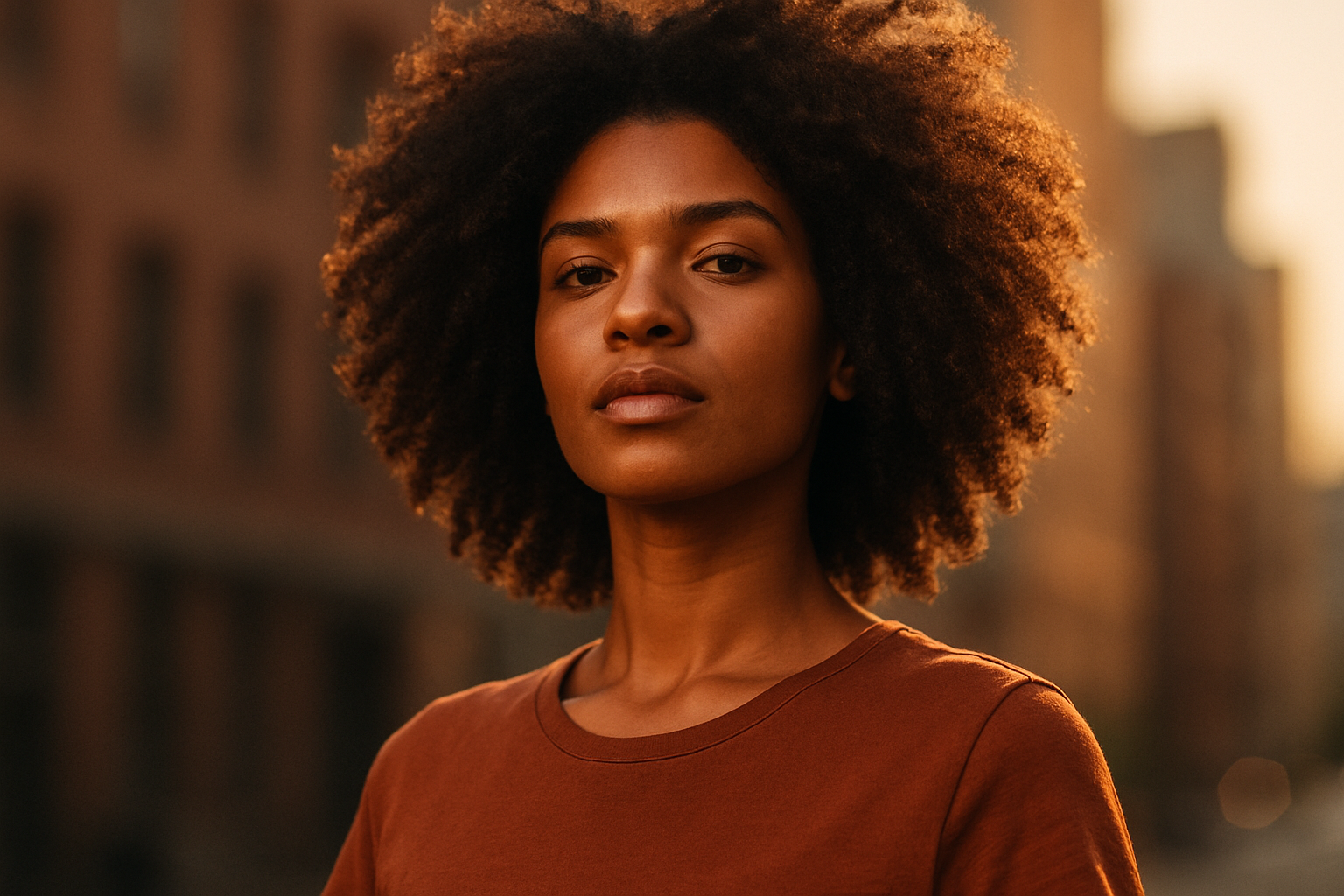
Curly hair hairmaxxing is more than just a buzzword—it’s a tailored approach to nurturing your curls and coils to their fullest potential. If you’ve ever struggled with dryness, breakage, or slow regrowth, you’re not alone. Curly and coily hair textures demand unique care routines and product choices that respect their delicate structure and moisture needs. Here, you’ll discover how to maximize your hair’s growth while preventing the dreaded frizz that often accompanies regrowth phases.
This guide will walk you through the essentials of hairmaxxing for curly hair: understanding your hair’s structure, mastering texture-specific care, choosing the best products for curly hair growth, and integrating protective styles that support your goals. You’ll also learn practical, science-backed strategies to stimulate regrowth without sacrificing your hair’s natural beauty or health.
By the end, you’ll feel empowered to create a personalized, sustainable hairmaxxing routine that honors your curls and sets you on the path toward stronger, fuller hair.
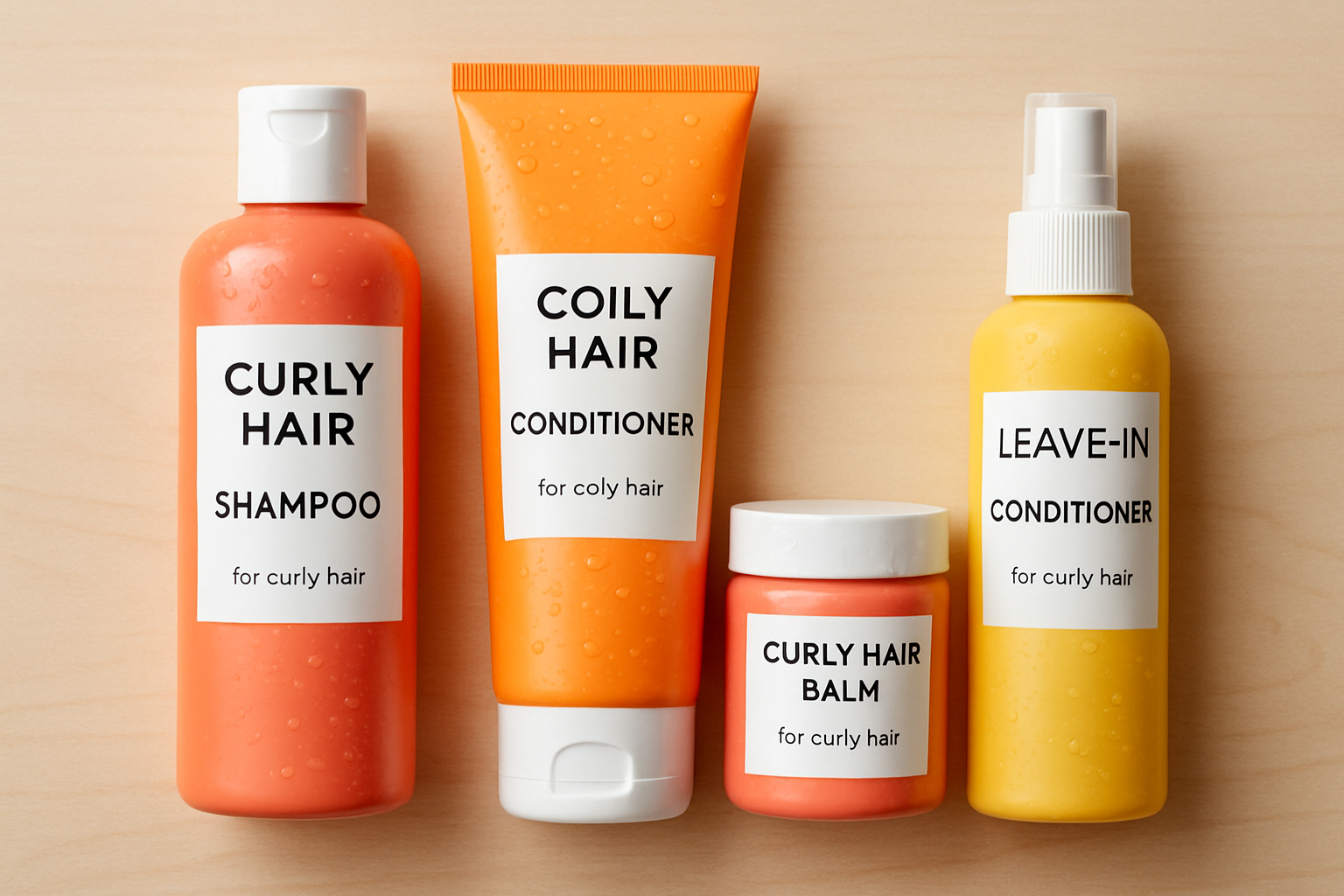
Understanding Curly and Coily Hair: The Foundation for Effective Hairmaxxing
Curly and coily hair textures are wonderfully diverse, but they share some key structural traits that influence how they grow and respond to care. These hair types generally fall into the Type 3 (curly) and Type 4 (coily/kinky) categories in the Andre Walker hair typing system.
The Unique Structure of Curly Hair
Unlike straight hair, curly and coily strands have an elliptical or flattened cross-section. This shape causes hair to twist and turn naturally, creating those beautiful spirals and coils. However, this also means that natural scalp oils (sebum) have a harder time traveling down the hair shaft. The result? Dryness, brittleness, and increased susceptibility to breakage.
According to the American Academy of Dermatology, African American hair—which frequently features coily or tightly curled textures—is more prone to fragility due to these structural factors and less sebum distribution (AAD, 2023).
Growth Patterns Specific to Curly Hair
Curly hair grows at roughly the same rate as other hair types—about half an inch per month—but shrinkage can make length retention tricky. When curls coil tightly, it can look like less growth is happening even when the hair is thriving underneath. Additionally, the twists and turns create points where hair is more vulnerable to mechanical damage and breakage.
Dr. Michele Green, a board-certified dermatologist, emphasizes the need for moisture and gentle handling: “Curly and coily hair require more moisture and gentle handling to prevent breakage and maintain hair density” (Green, 2022).
Understanding this biology is crucial when embarking on hairmaxxing for curly hair. Your hair’s texture isn’t a barrier—it’s a blueprint for the care it deserves.
Common Challenges in Hairmaxxing Curly and Coily Hair
When you’re focused on hairmaxxing for curly hair, you’ll encounter unique obstacles that can stall progress if not addressed thoughtfully.
1. Dryness and Moisture Imbalance
Because natural oils struggle to coat the entire hair strand, curly hair tends to be dry. This dryness can lead to brittleness and breakage, directly impacting your hairmaxxing goals.
2. Frizz During Regrowth Phases
Frizz is more than a cosmetic concern—it can indicate that hair strands are dry or damaged. When you’re regrowing hair, especially after shedding or trimming, new growth is often more fragile and prone to frizz.
3. Breakage from Manipulation and Styling
Curly hair’s coils create tension points that can snap if handled roughly or styled too frequently with heat or chemicals. Over-manipulation, tight hairstyles, and harsh products can all contribute to breakage.
4. Product Buildup and Scalp Issues
Using heavy or incompatible products can clog hair follicles or weigh curls down, disrupting scalp health and slowing growth. Maintaining a healthy scalp environment is vital for hairmaxxing success.
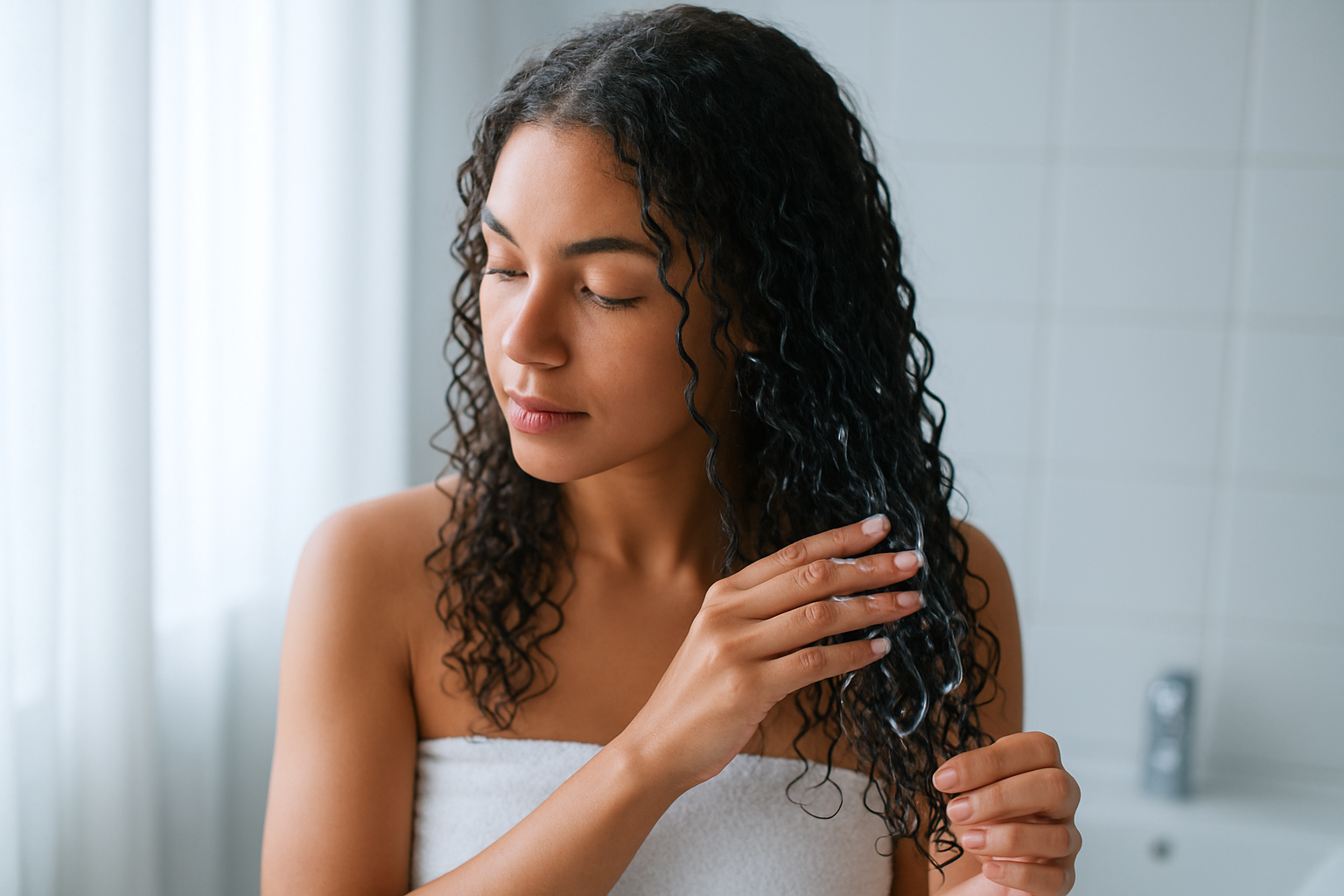
Texture-Specific Hair Care Practices for Hairmaxxing Curly Hair
To truly maximize your curls’ growth potential, your routine needs to honor the hair’s moisture demands and fragility. Here are the cornerstones of texture-specific care.
Prioritize Hydration: Moisture Retention is Key
Effective curly hair hairmaxxing starts with hydration that penetrates and locks in moisture.
-
Water-Based Moisturizers: Since water is the best hydrator, begin your routine with leave-in conditioners or sprays that are water-based.
-
Humectants: Ingredients like glycerin or honey attract moisture from the environment into the hair shaft, helping curls stay supple.
-
Occlusive Agents: Shea butter, castor oil, and natural butters seal in hydration and protect curls from environmental damage.
A 2022 study in the International Journal of Cosmetic Science found that emollient-rich formulations improved moisture retention in curly hair by 30% compared to standard moisturizers (IJCS, 2022).
Cleanse Wisely: Gentle Cleansing and Scalp Health
Avoid stripping your hair of natural oils with harsh shampoos.
-
Co-Washing: Using conditioner-only washes can maintain moisture while cleansing gently.
-
Sulfate-Free Shampoos: When shampooing, opt for sulfate-free formulas to protect your scalp’s natural barrier and reduce irritation (NIH, 2023).
Washing frequency should balance scalp health and moisture retention—typically once a week or every two weeks works well for many curly-haired individuals.
Embrace Protective Styling and Low Manipulation
Protective styles minimize mechanical stress on fragile curls. Popular options include braids, twists, buns, and bantu knots.
-
These styles reduce daily manipulation, limiting breakage.
-
Protective styling also helps retain length and maintain moisture balance.
The Natural Hair Movement has popularized these approaches, celebrating natural textures while supporting hair health (Journal of Black Studies, 2021).
Best Products for Curly Hair Growth: Ingredients That Support Hairmaxxing
Choosing the right products can make or break your hairmaxxing journey. Look for formulations that cater specifically to curly and coily hair.
Leave-In Conditioners and Moisturizers
-
Contain aloe vera, which soothes scalp and adds hydration.
-
Include panthenol (pro-vitamin B5) for moisture retention and elasticity.
-
Incorporate hydrolyzed proteins to strengthen strands.
Oils and Butters
-
Jojoba Oil: Closely mimics natural sebum, balancing scalp oils.
-
Castor Oil: Known for its ability to promote scalp circulation and support hair growth (Dermatology Times, 2023).
-
Argan Oil: Rich in antioxidants, it seals moisture and adds shine.
Avoid products heavy in silicones or harsh alcohols, which can cause buildup or dry out curls. Celebrity hairstylist Vernon François advises, “Use products rich in natural oils and avoid sulfates and parabens to maintain the delicate moisture balance in curly hair” (François, 2022).
Serums and Treatments
Look for serums with nourishing botanicals and anti-inflammatory ingredients to calm the scalp and reduce frizz during regrowth phases.
Regrowth Strategies Without Frizz or Damage
Hairmaxxing for curly hair means stimulating growth while preserving curl integrity and minimizing frizz. Here are expert-backed techniques that respect your hair’s unique needs.
Scalp Massage and Stimulation
Daily scalp massages increase blood flow, delivering nutrients to hair follicles. Use gentle circular motions with your fingertips or a scalp massager for 5–10 minutes.
A 2016 study in Eplasty demonstrated that scalp massage increased hair thickness over 24 weeks (Eplasty, 2016).
Low-Level Laser Therapy (LLLT)
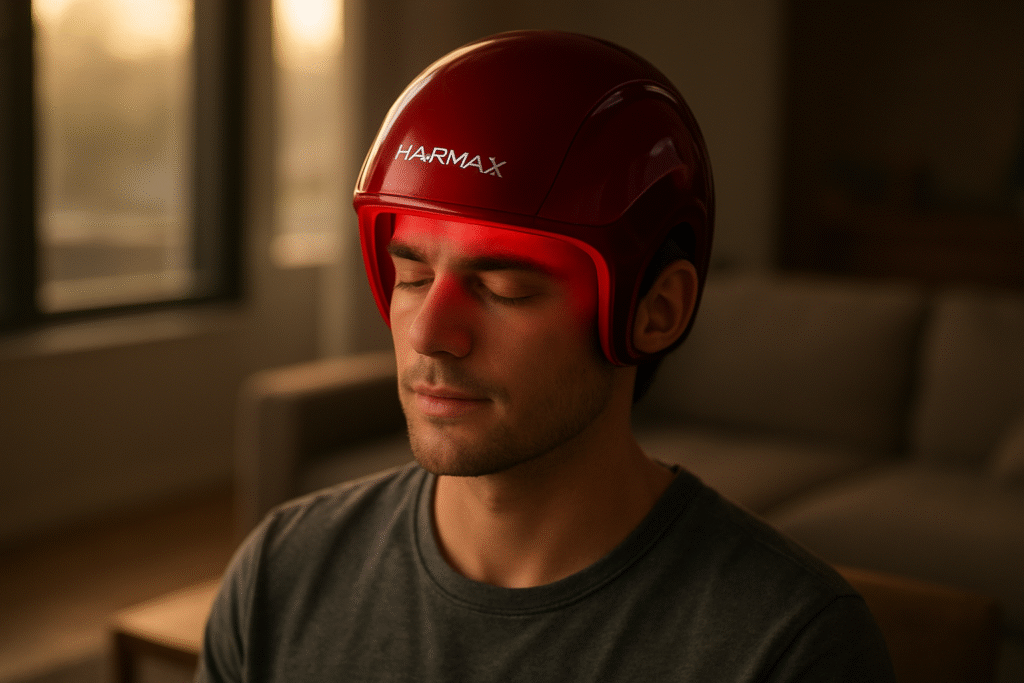
Devices such as HairMax lasers are FDA-cleared for hair regrowth and safe for all hair types, including curly and coily textures.
-
LLLT stimulates cellular activity in follicles, encouraging growth.
-
When combined with moisturizing routines, many users report improved density without added dryness or frizz (FDA, 2020).
Minimize Heat and Chemical Damage
Avoid frequent heat styling, chemical relaxers, or harsh treatments that weaken curls.
-
Opt for air drying or diffusing on low heat.
-
Embrace natural textures to reduce stress on strands.
Dr. Crystal Aguh cautions, “Chemical relaxers increase hair fragility and can exacerbate hair loss in textured hair” (Aguh, 2021).
Do’s and Don’ts of Hairmaxxing for Curly Hair
Do…
-
Use a satin or silk pillowcase to reduce friction at night.
-
Incorporate regular deep conditioning treatments to restore moisture.
-
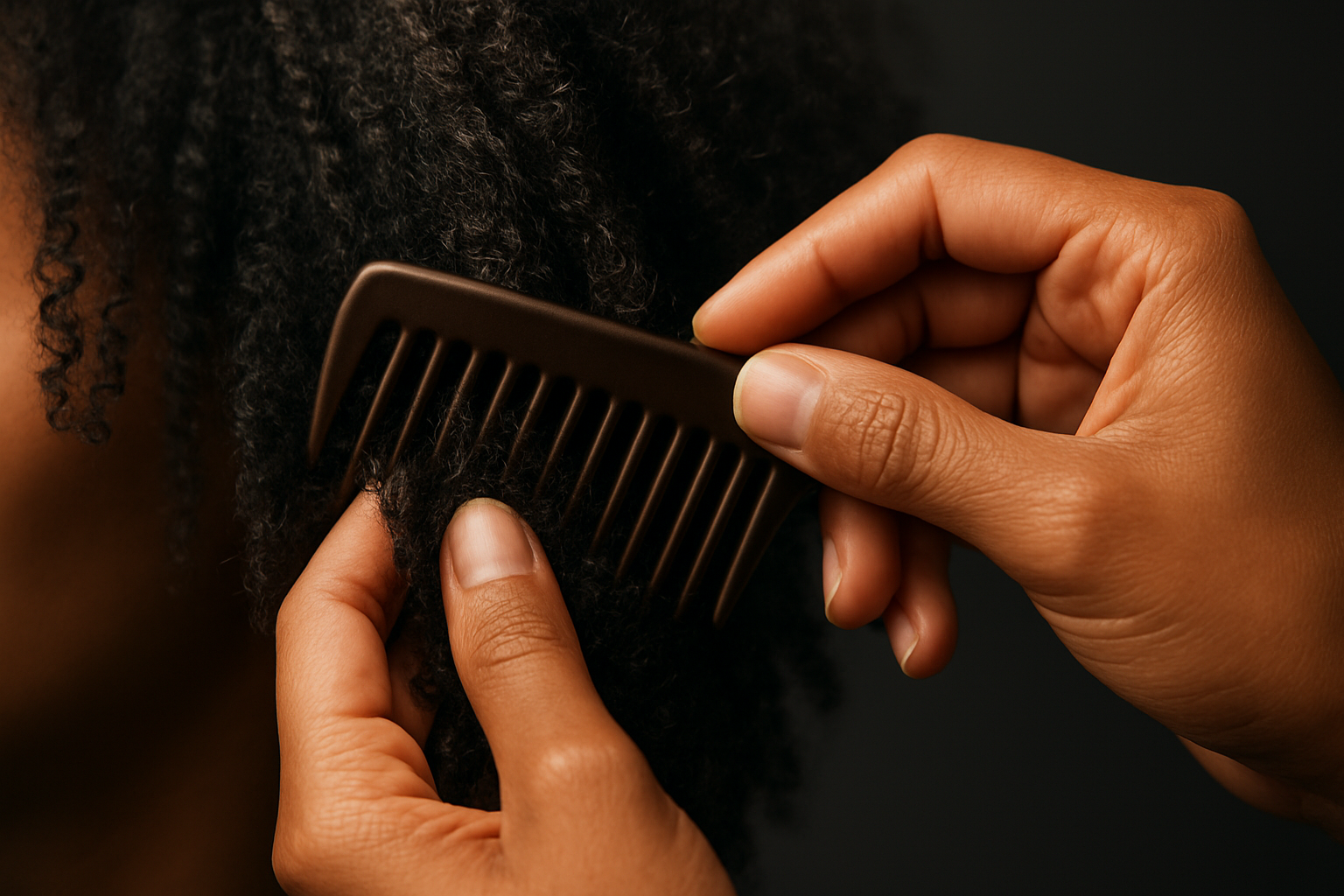
Detangle gently with wide-tooth combs or fingers on damp hair.
-
Rotate protective styles to avoid constant tension in one area.
-
Keep a consistent routine tailored to your hair’s response.
Don’t…
-
Overwash your hair; avoid daily shampooing.
-
Use products with sulfates, parabens, or drying alcohols.
-
Apply excessive heat or chemical relaxers.
-
Sleep on cotton pillowcases or with dry hair, which increases friction.
-
Ignore scalp health—cleanse and moisturize regularly.
Protective Styles for Hair Growth Curly Hair: Support Your Hairmaxxing Efforts
Protective styles are a cornerstone of curly hair hairmaxxing, helping maintain moisture and reduce breakage. Here’s how to incorporate them effectively.
Popular Protective Styles
-
Braids and Box Braids: Keep hair tucked away and reduce manipulation.
-
Twists and Senegalese Twists: Lightweight and versatile for moisture retention.
-
Buns and Updos: Minimize tension and exposure to elements.
-
Bantu Knots: Protect ends and promote curl definition.
Tips for Protective Styling
-
Avoid styles that pull too tightly to prevent traction alopecia.
-
Keep styles in for no longer than 6–8 weeks.
-
Moisturize scalp and hair regularly under protective styles.
-
Use satin or silk scarves or bonnets to protect hair at night.
When combined with proper care, protective styles can dramatically improve your hairmaxxing results by preserving length and promoting health.
Troubleshooting Frizz and Breakage During Hairmaxxing for Curly Hair
It’s normal to experience some challenges as your hair adjusts to a new routine. Here’s how to tackle common issues:
Frizz During Regrowth
-
Increase hydration with water-based sprays and occlusive oils.
-
Avoid touching hair excessively throughout the day.
-
Use anti-frizz serums with natural ingredients.
Breakage and Thinning
-
Reduce frequency of detangling; always use gentle tools.
-
Trim split ends regularly to prevent damage from spreading.
-
Avoid chemical treatments and excessive heat.
Product Build-Up
-
Clarify hair monthly with a gentle sulfate-free clarifying shampoo.
-
Rotate products to avoid buildup from silicones or heavy oils.
If problems persist, consider consulting with a dermatologist or trichologist specializing in textured hair.
Frequently Asked Questions About Curly Hair Hairmaxxing
What exactly is hairmaxxing and can it work for curly or coily hair?
Hairmaxxing is a focused, intentional hair care approach designed to maximize hair growth and health. When tailored to curly and coily textures, it respects the unique needs of these hair types, emphasizing moisture retention, gentle handling, and protective styling to support regrowth without damage.
How do I prevent frizz during hair regrowth phases?
Prevent frizz by maintaining consistent hydration with water-based moisturizers and sealing with natural oils or butters. Avoid harsh products and minimize heat styling. Protective styles and satin pillowcases also help reduce friction that causes frizz.
What are the best products for curly hair growth?
Look for leave-in conditioners with aloe vera and panthenol, oils like castor and jojoba, and products free from sulfates, silicones, and drying alcohols. Deep conditioners rich in proteins and emollients also support curl strength and elasticity.
How often should I wash or style my hair during hairmaxxing?
Washing once a week or every two weeks with sulfate-free shampoos or co-washing helps maintain moisture. Protective styles can be worn for 6–8 weeks, with regular moisturizing and gentle detangling in between.
Can protective styles help or hurt my hairmaxxing progress?
Protective styles help by reducing manipulation and protecting ends, which encourages length retention and reduces breakage. However, styles that are too tight or left in too long can cause damage, so it’s important to choose styles wisely and care for your scalp.
Embracing Curly Hair Hairmaxxing for Lasting Growth and Curl Health
Curly hair hairmaxxing is a journey that celebrates your hair’s natural texture while optimizing its growth potential. By understanding your hair’s unique structure and challenges, selecting the best products for curly hair growth, and adopting a routine focused on hydration, scalp health, and protective styling, you set the stage for thriving, resilient curls.
Remember, preventing frizz during hair regrowth is about moisture balance and gentle care. Integrating techniques like scalp massage and exploring FDA-cleared low-level laser therapy can further enhance your results without compromising curl integrity.
As you craft your personalized hairmaxxing routine, stay patient and attentive to how your curls respond. For a detailed, texture-optimized protocol and ongoing support, visit the comprehensive guide at SuperMaxxed Hairmaxxing Guide.
Your curls deserve the best—embrace hairmaxxing for curly hair and unlock the full potential of your natural beauty.