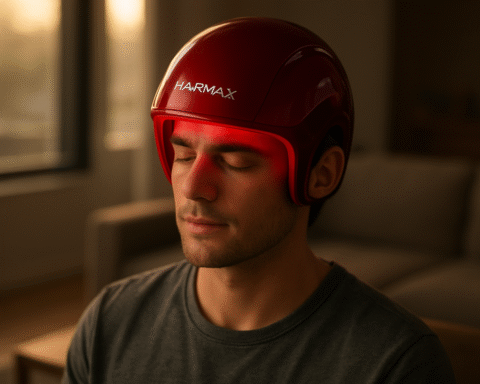


Stress Hair Loss Hairmaxxing: Cortisol Control for Hair Gains
Manage stress hair loss hairmaxxing with proven cortisol techniques to protect and maximize your hair growth during intense hairmaxxing phases.
How Stress Impacts Your Hairmaxxing Journey and What You Can Do About It
Hairmaxxing is all about pushing your hair health to the next level through focused treatments and lifestyle changes. But there’s one sneaky factor that can sabotage your hard-earned progress: stress. When stress levels rise, so do cortisol levels — a hormone that plays a critical role in hair loss. If you’re noticing more shedding during your hairmaxxing routine, it might be your body’s stress response working against you.
This guide reveals how stress hair loss hairmaxxing really connect, why cortisol is the key hormone to watch, and how you can take control. You’ll learn practical cortisol hair loss treatment approaches like mindfulness, nutrition, and sleep hygiene that complement your hairmaxxing efforts. Plus, we’ll explore holistic hair loss prevention strategies so you can protect and maximize your hair gains even during the most intense phases.
By the end, you’ll understand how managing stress is not just good for your scalp but essential for sustaining the progress you’ve worked so hard to achieve.

Understanding Hairmaxxing: What It Is and Why It Matters
Before diving into stress and cortisol’s role, it helps to clarify what hairmaxxing really means. Hairmaxxing is a term coined to describe an intentional, optimized approach to improving hair growth and thickness. This can involve:
- Topical treatments like minoxidil or finasteride
- Nutritional supplementation targeting hair health
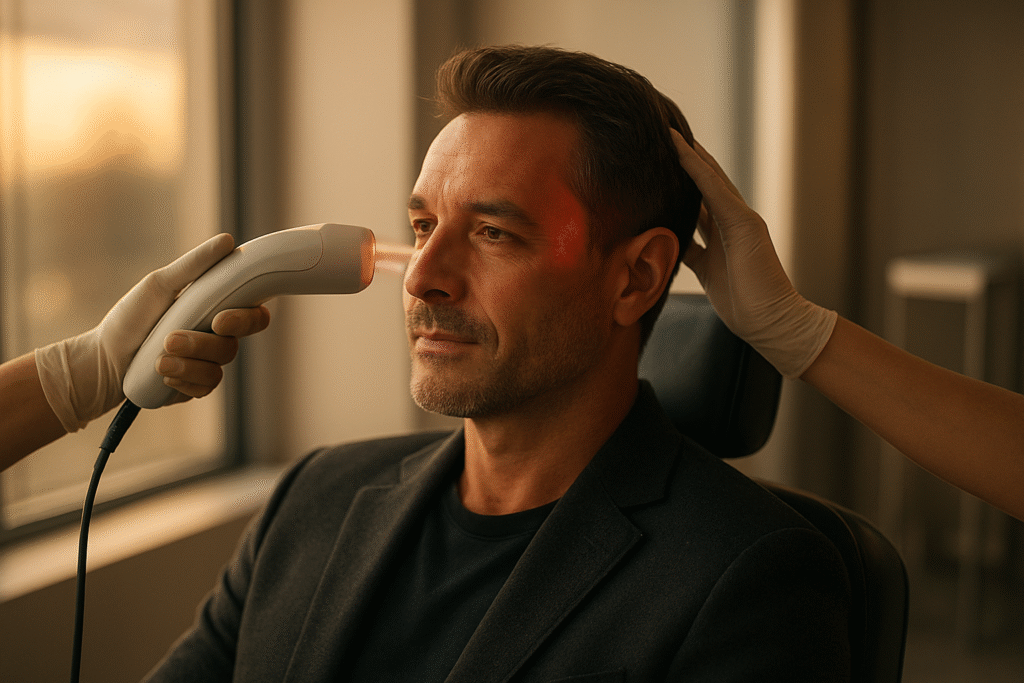
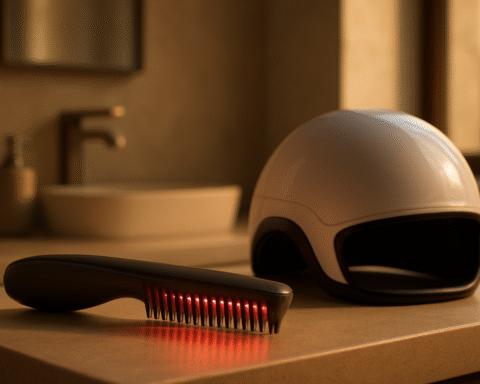
- Scalp care routines, including microneedling and laser therapy
- Lifestyle optimizations to support hair growth
The goal is to maximize your genetic potential for hair health through a combination of scientifically backed interventions. However, even the best hairmaxxing plan can be undermined if stress-induced hair loss isn’t addressed. Stress, through cortisol, can disrupt hair follicle cycles and reduce the effectiveness of hairmaxxing protocols.
For anyone serious about lasting hair gains, understanding how stress hair loss hairmaxxing interact is essential.
The Science Behind Stress and Hair Loss: The Role of Cortisol
Stress hair loss hairmaxxing is a complex triangle where cortisol plays a starring role. Cortisol is the primary hormone released by your adrenal glands in response to stress. It’s designed to help your body handle short-term challenges, but chronic elevation can wreak havoc on your hair follicles.
How Cortisol Affects Hair Follicles
- Disrupts Hair Growth Cycles: Hair follicles cycle through growth (anagen), transition (catagen), and rest (telogen) phases. Excess cortisol can prematurely push hair into the telogen phase, increasing shedding, a hallmark of telogen effluvium MedlinePlus.
- Promotes Inflammation: Chronic cortisol elevation leads to systemic inflammation, which damages hair follicle function and may worsen androgenetic alopecia NIH – PubMed Central.
- Inhibits Hair Follicle Regeneration: High cortisol levels reduce dermal papilla cell proliferation, essential for hair follicle renewal and growth Frontiers in Endocrinology, 2021.
Stress-Related Hair Loss Conditions Linked to Cortisol
- Telogen Effluvium (TE): Often triggered by a sudden stressful event, TE causes a large number of hair follicles to enter the resting phase, leading to noticeable shedding 2-3 months later. This is usually reversible with proper stress management.
- Alopecia Areata: Stress can trigger or exacerbate this autoimmune condition, where the body attacks hair follicles, causing patchy hair loss.
- Exacerbation of Androgenetic Alopecia: Genetics are the primary factor here, but stress can accelerate progression by increasing inflammation and hormonal imbalances.
Understanding cortisol’s role gives you a powerful tool for reducing hair loss from stress and optimizing your hairmaxxing journey.

How Stress Hair Loss Hairmaxxing Interact: The Connection Explained
When you start hairmaxxing, your body is exposed to new stimuli—topical agents, supplements, and sometimes more invasive procedures like microneedling or laser therapy. These can temporarily stress your scalp and body. If you’re already under chronic psychological or physiological stress, this can increase cortisol levels further.
Elevated cortisol then interferes with hair follicle function, potentially causing:
- Increased shedding despite treatment
- Slower hair growth
- Miniaturization of hair follicles, reducing hair thickness
This means that without active hairmaxxing cortisol control, your efforts might stall or even reverse.
Stress also negatively impacts sleep, nutrition, and immune function, all crucial for healthy hair growth. So, managing stress isn’t just a “nice to have” — it’s a foundational pillar of effective hairmaxxing.
Signs You Might Be Experiencing Stress-Related Hair Loss During Hairmaxxing
- Noticeable increase in hair shedding, especially 2-3 months after a stressful event
- Patchy hair loss or sudden thinning across the scalp
- Scalp sensitivity or inflammation
- Lack of progress or regression despite consistent hairmaxxing efforts
If you observe these signs, it’s time to prioritize cortisol hair loss treatment strategies.
Cortisol’s Impact on Hair Follicle Health and Growth Cycles
Hair follicles are highly sensitive to systemic hormones, including cortisol. Elevated cortisol can:
- Shorten the Anagen Phase: This reduces the time hair spends growing, leading to thinner, shorter hair strands.
- Prolong the Telogen Phase: More follicles rest simultaneously, increasing shedding.
- Trigger Follicle Miniaturization: Chronic stress promotes changes that cause hair follicles to shrink, producing thinner hair until follicles may eventually become dormant.
Research shows that cortisol binds to receptors in hair follicle cells, influencing gene expression linked to hair growth and inflammation. This biochemical effect explains why stress hair loss hairmaxxing require integrated management.
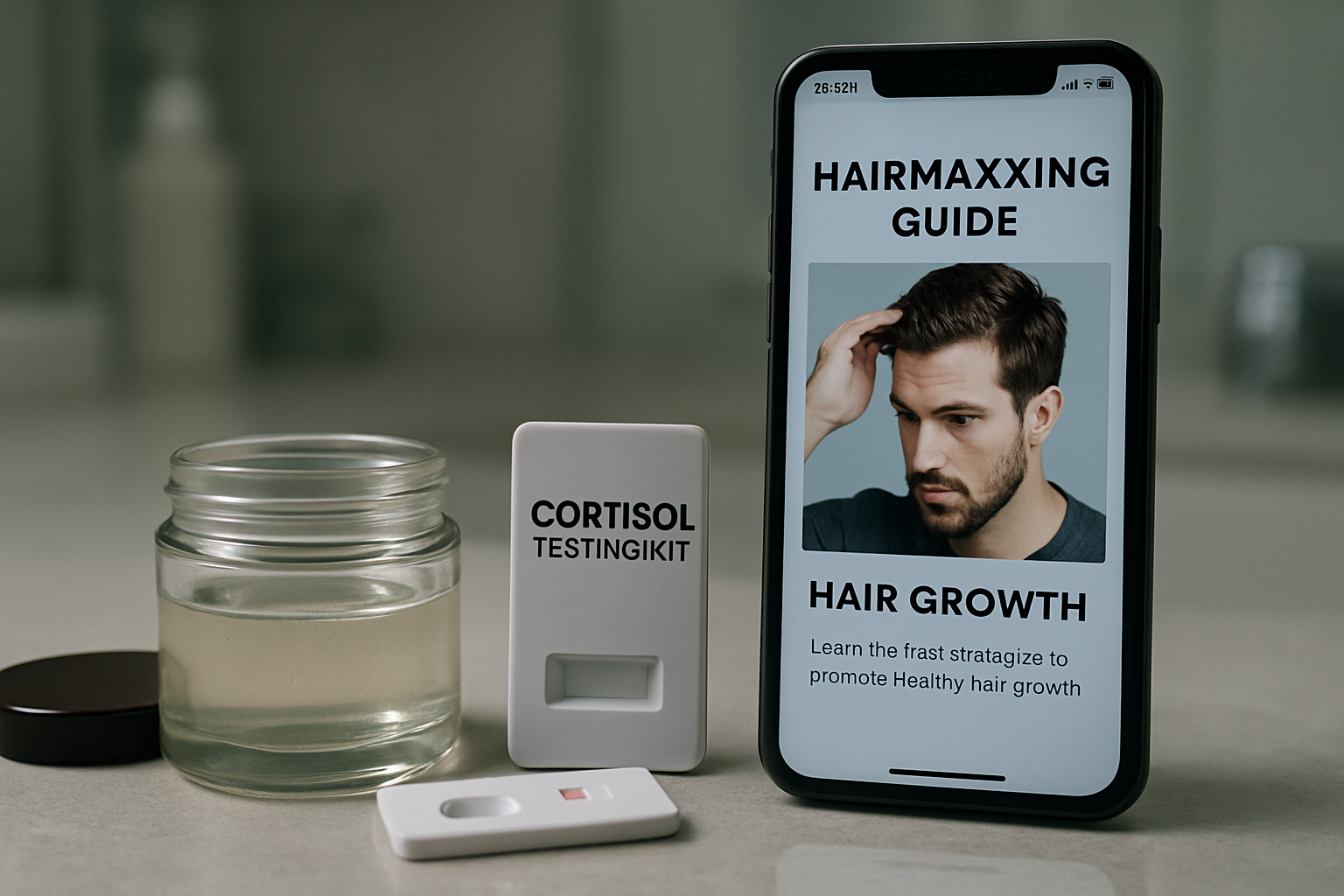
Effective Cortisol Management Techniques to Protect Hair Gains
If you want to reduce hair loss from stress and make the most of your hairmaxxing routine, mastering cortisol hair loss treatment is essential. Here are proven strategies:
Mindfulness and Meditation
Mindfulness meditation reduces cortisol by promoting relaxation and lowering the body’s stress response. Studies show regular practice can cut cortisol levels by up to 30% NIH – NCCIH.
- Start with 5-10 minutes daily
- Focus on breathing or guided mindfulness apps
- Consistency is key for long-term benefits
Regular Physical Activity
Exercise is a natural cortisol regulator. Moderate aerobic activity improves mood, reduces anxiety, and enhances scalp blood flow, nourishing hair follicles Harvard Health.
- Aim for 30 minutes of moderate exercise most days
- Avoid overtraining, which can increase cortisol levels and backfire
Prioritize Quality Sleep
Sleep deprivation spikes cortisol and disrupts hair growth cycles. Aim for 7-9 hours of uninterrupted sleep to normalize cortisol rhythms Sleep Foundation.
- Maintain a consistent sleep schedule
- Create a relaxing bedtime routine
- Limit screens and caffeine before bed
Breathing Exercises and Relaxation Techniques
Simple breathing exercises lower heart rate and cortisol. Techniques like diaphragmatic breathing or progressive muscle relaxation can be done anywhere.
- Practice deep breathing for 5 minutes daily
- Combine with stretching or yoga for added benefits
Balanced Nutrition and Supplements
Certain nutrients support stress management and hair health:
- Vitamin D: Regulates immune response and hair follicle cycling
- B-Complex Vitamins: Essential for nervous system function and reducing stress
- Zinc: Supports hair growth and modulates cortisol response NIH – Zinc
- Adaptogenic Herbs: Ashwagandha and rhodiola have cortisol-lowering properties and improve stress resilience Frontiers in Pharmacology
Always consult a healthcare provider before starting supplements.
Professional Support for Stress Management
Chronic stress often requires more than self-help. Psychological counseling or cognitive-behavioral therapy (CBT) effectively reduce cortisol and improve coping skills American Psychological Association.
This support helps you maintain a healthy mindset during intensive hairmaxxing phases.
Lifestyle Changes for Sustainable Hairmaxxing
Managing stress hair loss hairmaxxing also involves broader lifestyle adjustments:
- Work-Life Balance: Set realistic goals to avoid burnout
- Avoid Overtraining: Excessive hairmaxxing interventions can stress your scalp and body
- Social Support: Connect with others for emotional resilience
- Hydration: Proper water intake supports overall health and hair follicle function
Remember, sustainable hair gains come from balance, not extremes.
Integrating Holistic Hair Protection Strategies
Hairmaxxing cortisol control shines brightest when combined with holistic hair loss prevention strategies. These include:
- Scalp care routines to improve circulation and follicle health
- Nutritional plans tailored to your hair and stress profile
- Mind-body practices that support mental and physical well-being
For a deep dive into these integrative approaches, check out the comprehensive guide at supermaxxed.com/hairmaxxing-guide.
Recent trends show that combining these methods amplifies results and reduces the risk of stress-related setbacks.
Monitoring Progress and Knowing When to Seek Professional Help
Tracking your hairmaxxing journey is vital. Keep a journal or take photos monthly to observe changes. If you notice:
- Persistent shedding beyond six months
- Patchy or sudden hair loss
- Scalp irritation or inflammation
- No improvement despite stress management and hairmaxxing efforts
It’s wise to consult a dermatologist or trichologist. They can assess underlying causes and recommend specialized cortisol hair loss treatment or other interventions.
Frequently Asked Questions About Stress Hair Loss Hairmaxxing
How exactly does stress cause hair loss during hairmaxxing?
Stress triggers cortisol release, which disrupts the hair growth cycle by pushing follicles prematurely into the resting (telogen) phase. This leads to increased shedding, often noticeable two to three months after high-stress periods. Hairmaxxing cortisol control helps mitigate this by lowering cortisol and protecting the follicles.
Can managing cortisol really improve hair growth outcomes?
Yes. Studies confirm that reducing cortisol through mindfulness, exercise, and sleep improves hair follicle function and reduces inflammation, enhancing hair growth and retention during hairmaxxing phases.
What are the best natural ways to reduce cortisol levels?
Effective natural methods include daily mindfulness meditation, moderate exercise, quality sleep, balanced nutrition with adaptogens like ashwagandha, and breathing exercises. These collectively support stress management for hair growth.
Are there specific supplements proven to help with stress-related hair loss?
Supplements such as vitamin D, B-complex vitamins, zinc, and adaptogenic herbs (ashwagandha, rhodiola) have evidence supporting their role in cortisol reduction and hair health. Always discuss supplementation with a healthcare professional.
How do I know if my hair loss is due to stress or another cause?
Stress-related hair loss often presents as diffuse shedding appearing 2-3 months after stressful events. Patchy loss or rapid progression might indicate other causes like alopecia areata or androgenetic alopecia. A dermatologist can provide accurate diagnosis.
Can intense hairmaxxing routines increase stress levels?
Yes, overly aggressive hairmaxxing without proper recovery can increase physical and psychological stress, raising cortisol and potentially worsening hair loss. Balancing intensity with rest and stress management is key.
How quickly can I expect to see improvements after managing stress?
Hair growth cycles take time. You may notice reduced shedding within 1-3 months of effective cortisol hair loss treatment, but visible regrowth can take 6 months or longer depending on individual factors.
Is it safe to combine cortisol management techniques with hairmaxxing products?
Absolutely. In fact, combining stress management with topical or oral hairmaxxing treatments creates a synergistic effect, improving overall hair health and treatment efficacy.
Protecting Your Hair Gains: Mastering Stress Hair Loss Hairmaxxing Through Cortisol Control
Stress hair loss hairmaxxing is a real challenge that many overlook. Elevated cortisol quietly undermines hair follicle health and diminishes the results of even the most rigorous hairmaxxing routines. The good news is that cortisol hair loss treatment through stress management for hair growth is both accessible and effective.
By adopting mindfulness, exercise, sleep hygiene, balanced nutrition, and professional support, you create an environment where your hair follicles can thrive. Integrating these cortisol management techniques with your hairmaxxing protocol guards against stress-related setbacks and promotes steady hair gains.
Remember, achieving your hair goals means treating your scalp and your body as a whole. For a comprehensive, science-backed approach that combines these holistic hair loss prevention strategies, explore supermaxxed.com/hairmaxxing-guide. Your hairmaxxing journey deserves nothing less than total cortisol control for lasting, healthy hair growth.