

Beard Hairmaxxing Synergy: Optimize Beard & Scalp Growth
Discover beard hairmaxxing synergy to boost beard growth with minoxidil while protecting scalp hair. Learn safe multi-area hairmaxxing techniques today.
Unlocking the Power of Beard Hairmaxxing Synergy for Fuller Facial and Scalp Hair
When it comes to grooming and hair health, many men focus separately on their scalp or their beard. But what if you could optimize both at the same time? That’s exactly what beard hairmaxxing synergy is all about—a smart, multi-area approach to maximize hair growth on your face and scalp simultaneously. Using minoxidil, a trusted hair growth stimulant, in a targeted and safe way can unlock thicker beard growth without compromising your scalp’s hair health.
If you’re curious about advanced beard grooming with minoxidil or want to protect scalp hair while using minoxidil on your beard, you’ve come to the right place. This article breaks down everything from the science behind minoxidil’s effect on hair follicles, to safe application techniques and lifestyle tips that support hairmaxxing success. By understanding how beard and scalp hair growth synergy works, you can develop a personalized routine that enhances both areas effectively and confidently.
What Is Hairmaxxing and Why Does Multi-Area Optimization Matter?
Hairmaxxing is a growing trend among men aiming to optimize hair growth in multiple regions simultaneously, rather than treating each area as a separate concern. Originally popularized within online grooming and hair restoration communities, hairmaxxing encourages a holistic approach—balancing scalp and beard hair health through scientifically-backed treatments and lifestyle changes.
Why does this multi-area optimization matter? Because hair growth in the beard and scalp regions, while biologically distinct, can influence each other when managed correctly. For example, minoxidil, a topical vasodilator, activates dormant follicles wherever it’s applied, but without proper technique, it can cause unintended effects like scalp irritation or uneven hair patterns.
Hairmaxxing is not just about applying products; it’s about understanding how your body’s hair follicles respond, how to protect sensitive areas, and how to create synergy between treatments for long-lasting results. This approach can reduce patchiness in your beard while maintaining or improving scalp hair density, giving you a more balanced and youthful appearance.
The Science Behind Minoxidil for Beard and Scalp Growth
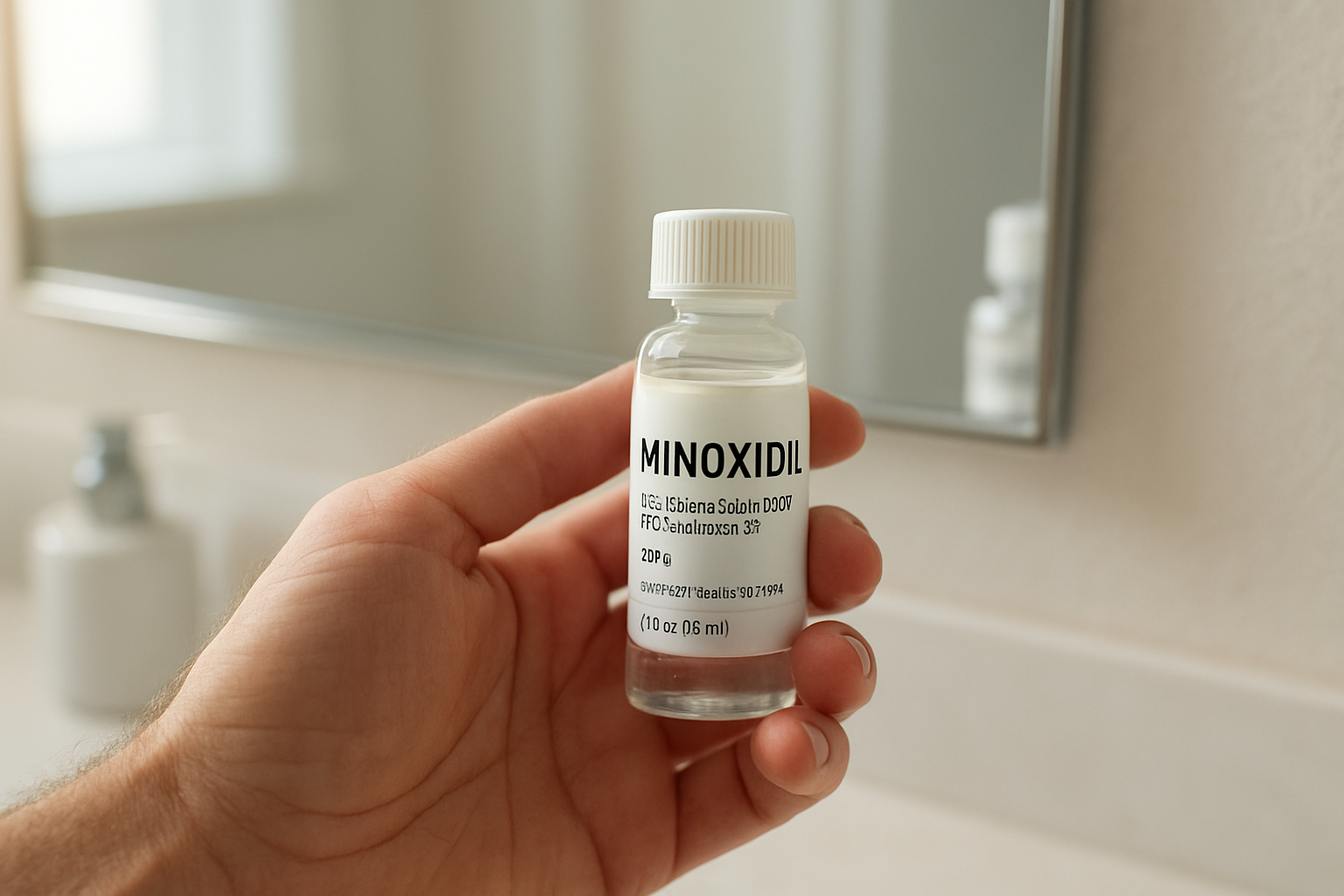
Minoxidil’s story is fascinating. Originally developed as an oral drug for hypertension, it was FDA-approved in 1988 as a topical treatment for androgenetic alopecia on the scalp. Its ability to stimulate hair growth comes from opening potassium channels in hair follicle cells, which improves blood circulation and extends the anagen (growth) phase of hair cycles.
Though minoxidil is officially approved only for scalp use, off-label application on the beard has gained traction. Clinical studies support this: a 2016 study published in the Journal of Dermatology showed significant improvement in beard density after 16 weeks of topical minoxidil applied twice daily source. Dermatologists like Dr. Antonella Tosti highlight minoxidil’s potential to awaken dormant facial hair follicles, making it a prominent choice for men struggling with patchy or thin beards.
Minoxidil works slightly differently depending on the hair type and location. Scalp follicles tend to be more sensitive to androgens and often experience miniaturization in hair loss conditions, while beard follicles respond strongly to testosterone and dihydrotestosterone. Applying minoxidil to both areas can encourage robust hair cycles, but understanding the unique needs of each region is key to successful beard and scalp hair growth synergy.
Understanding Beard Hairmaxxing Synergy
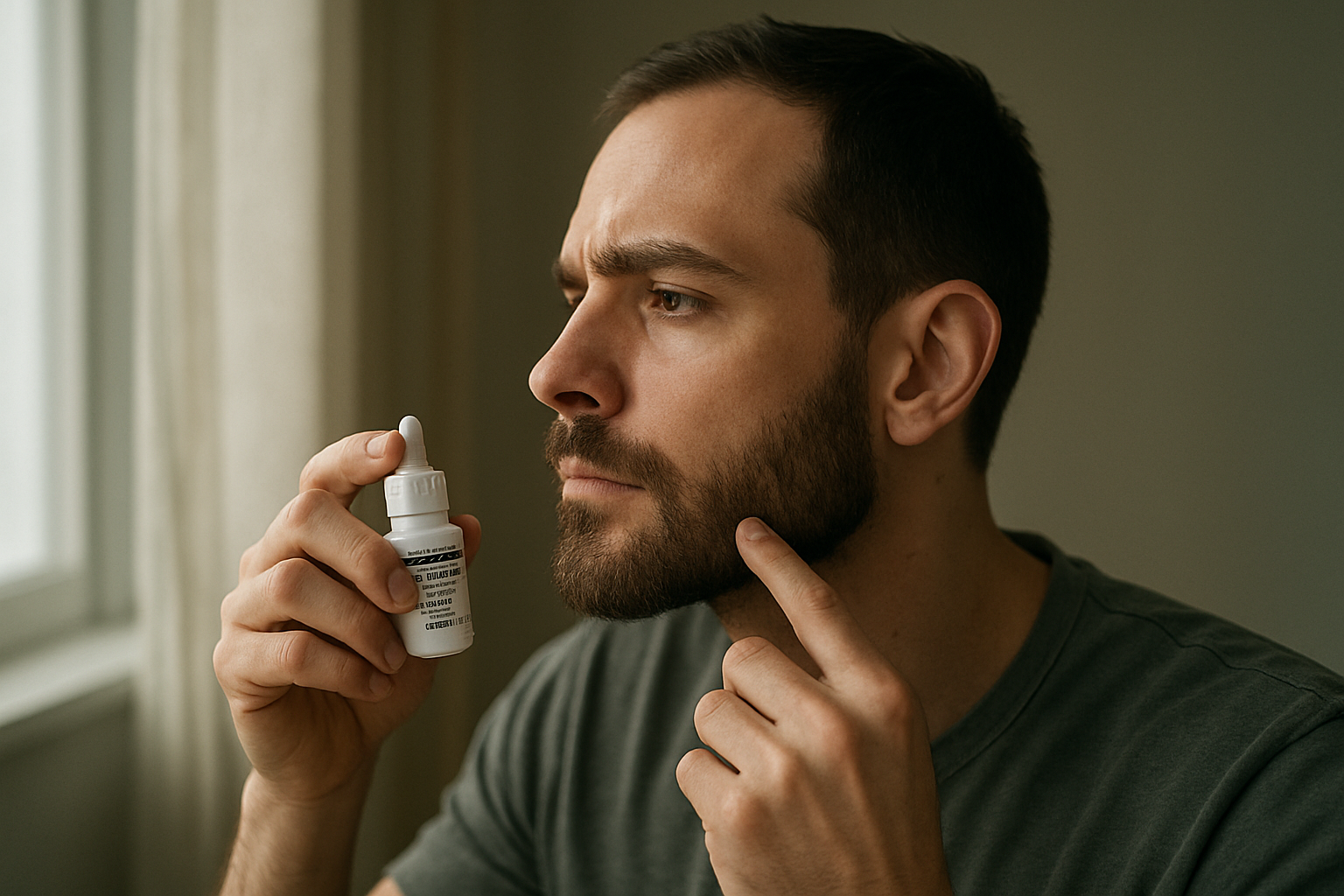
Beard hairmaxxing synergy refers to the coordinated optimization of hair growth on both the beard and scalp through targeted treatments like minoxidil, complemented by proper grooming and lifestyle habits. The goal is to enhance overall hair density and quality without causing adverse interactions or side effects.
This synergy relies on several principles:
- Selective Application: Applying minoxidil precisely to the beard area to stimulate follicular activity while avoiding excessive exposure to the scalp.
- Protective Measures: Implementing techniques to protect scalp hair from unintended minoxidil absorption or irritation.
- Complementary Care: Using beard grooming products, nutritional support, and scalp-friendly routines to boost hair health holistically.
- Consistent Monitoring: Tracking progress and adjusting treatments based on individual response to maintain balance.
By creating this synergy, you benefit from fuller facial hair that complements your scalp hair, improving overall confidence and appearance. It’s not about focusing on one area at the expense of another but about synchronizing growth cycles and care strategies to maximize outcomes.
A Practical Guide to Using Minoxidil on Your Beard
Applying minoxidil to your beard might seem straightforward, but optimizing for both effectiveness and safety requires a thoughtful approach. Here’s a step-by-step guide featuring minoxidil beard growth tips that work:
1. Choose the Right Minoxidil Formulation
- Foam vs. Solution: Foam is often preferred for the beard because it’s less greasy, absorbs quickly, and reduces skin irritation.
- Concentration: Most users start with 5% minoxidil. Avoid higher concentrations unless prescribed by a dermatologist.
2. Prepare Your Skin and Beard Area
- Cleanse your face thoroughly to remove oils and dirt.
- Ensure the skin is dry before application; moisture can dilute the product.
3. Apply Minoxidil Precisely
- Use the dropper or foam applicator to deposit minoxidil only on the beard area.
- Avoid spreading it beyond the beard to minimize transfer to the scalp or neck.
- Gently massage the product into the skin beneath the beard hairs to reach follicles.
4. Wash Your Hands Immediately
- After applying minoxidil, wash your hands thoroughly with soap and water to avoid accidental transfer to other areas, especially the scalp or sensitive skin.
5. Follow a Consistent Schedule
- Apply minoxidil twice daily, ideally morning and evening.
- Consistency is crucial—skipping applications can reduce effectiveness.
6. Monitor Your Skin’s Reaction
- Look out for redness, itching, or excessive dryness.
- If irritation occurs, reduce frequency or consult a dermatologist for alternative options.
7. Combine with Beard Grooming
- Use beard oils or moisturizers to maintain skin hydration.
- Regularly trim or comb your beard to promote healthy hair growth and avoid ingrown hairs.
This routine, combined with patience, can yield noticeable improvements in beard density within 3 to 4 months.
How to Protect Scalp Hair While Using Minoxidil on Your Beard
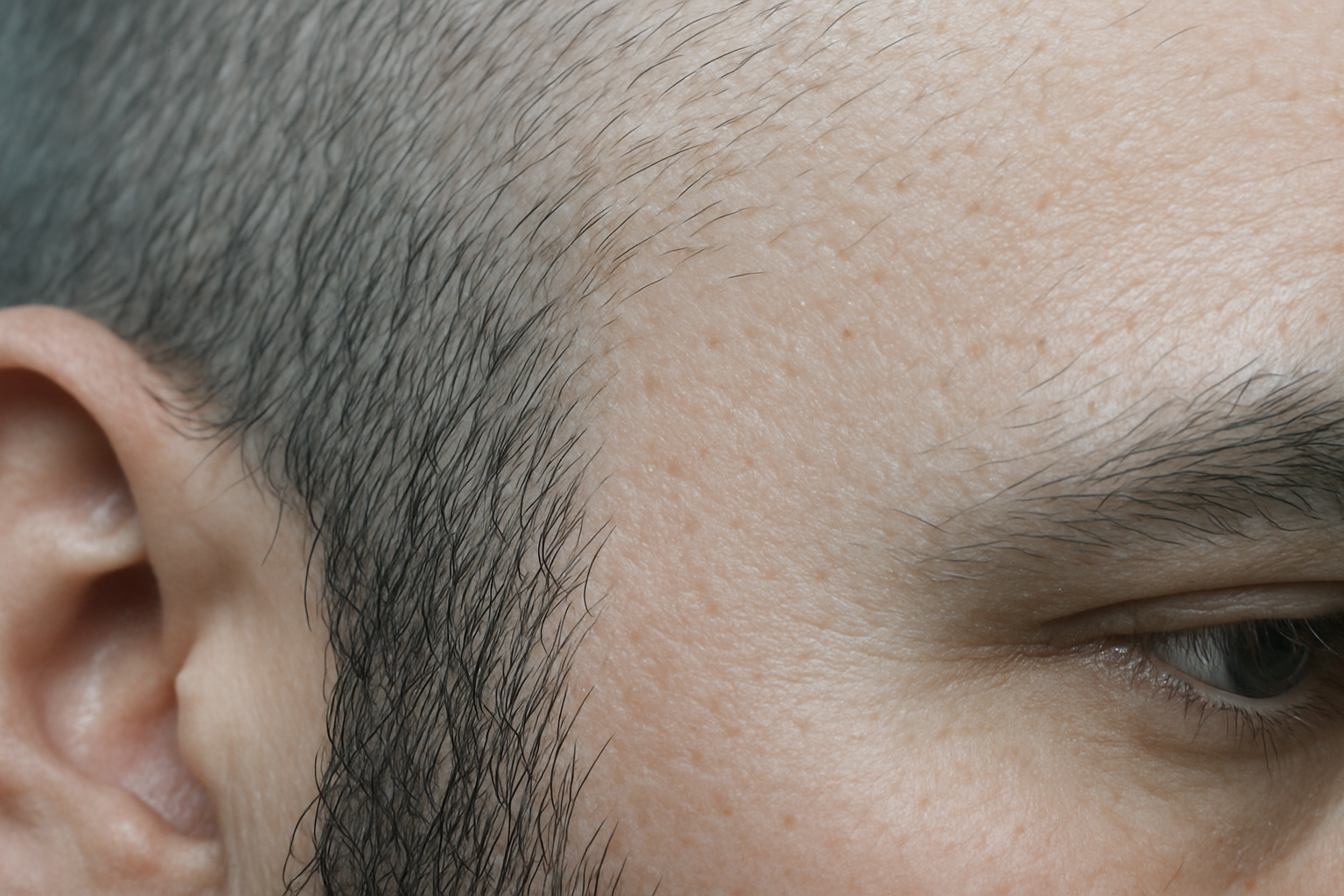
One of the biggest concerns in beard hairmaxxing synergy is how to protect scalp hair while using minoxidil on the beard. Here’s how you can prevent unintended effects on your scalp hair:
Avoid Cross-Contamination
- Minoxidil can transfer from your hands or pillowcases to the scalp.
- Always wash your hands after application.
- Use a dedicated towel and pillowcase that you change regularly to limit product buildup.
Limit Systemic Absorption
- Applying only the recommended dose reduces the chance of minoxidil entering your bloodstream and affecting scalp follicles.
- Avoid overlapping minoxidil treatments for the scalp and beard at the same time to minimize cumulative exposure.
Use Targeted Applicators
- Foam formulations allow for more precise application.
- Some users employ small brushes or cotton swabs to apply minoxidil only where needed.
Monitor Scalp Health
- Keep an eye on any changes in scalp hair density or irritation.
- If you notice thinning or unwanted growth patterns, consult a healthcare professional.
Maintain Scalp Hygiene and Care
- Use gentle, sulfate-free shampoos.
- Consider scalp massages or microneedling to support scalp follicle health without relying solely on minoxidil.
Following these steps helps ensure your beard and scalp can thrive together without one area negatively impacting the other.
Managing Side Effects and Setting Realistic Expectations
Minoxidil is generally safe when used as directed, but some side effects can occur. Being aware of these and how to mitigate them is part of advanced beard grooming with minoxidil.
Common Side Effects
- Skin Irritation: Redness, itching, or dryness on the beard area.
- Unwanted Hair Growth: Minoxidil may stimulate hair growth in unintended areas if transferred.
- Initial Shedding: Some users experience a temporary increase in hair shedding as follicles cycle.
How to Mitigate Side Effects
- Use foam formulations to reduce irritation.
- Apply a moisturizer or beard oil after minoxidil dries.
- Stick to recommended dosages and avoid over-application.
- Space out applications if irritation persists.
- If side effects worsen, pause treatment and consult a dermatologist.
Realistic Timelines
- Visible beard growth improvements typically appear after 12 to 16 weeks.
- Full results may take 6 months or longer.
- Patience and consistency are essential—hair growth is a gradual process.
Understanding these factors helps you maintain realistic expectations and remain motivated on your hairmaxxing journey.
Enhancing Beard and Scalp Hair Growth With Lifestyle and Grooming
Optimizing beard and scalp hair growth synergy extends beyond minoxidil. Supporting your hair follicles with proper nutrition, grooming, and lifestyle habits plays a crucial role.
Nutrition and Supplements
- Protein: Hair is made of keratin, a protein, so a protein-rich diet supports growth.
- Vitamins: Biotin, vitamins A, C, D, and E, and minerals like zinc and iron promote hair health.
- Omega-3 Fatty Acids: Found in fish oil, these reduce inflammation and support follicle function.
- Hydration: Adequate water intake keeps skin and hair hydrated.
Grooming Practices
- Regularly clean your beard and scalp to remove buildup.
- Use beard oils with natural ingredients like jojoba or argan oil to nourish skin.
- Avoid harsh chemicals or over-washing, which can dry out follicles.
- Use gentle scalp massages to increase blood flow.
Lifestyle Habits
- Manage stress with mindfulness or exercise, as stress can trigger hair shedding.
- Get quality sleep for optimal hormone regulation.
- Avoid smoking and excessive alcohol consumption, which impair circulation.
Combining these complementary practices with your minoxidil routine maximizes your chances of achieving robust beard and scalp hair growth synergy.
Multi-Area Hairmaxxing Guide: Creating a Sustainable Routine
To elevate your beard hairmaxxing synergy, establishing a consistent, manageable routine is key. Here’s a multi-area hairmaxxing guide to help you balance both beard and scalp care effectively:
Morning
- Apply minoxidil foam to the beard after cleansing and drying your face.
- Wash hands thoroughly.
- Use a gentle scalp shampoo if needed.
- Apply any scalp topical treatments (if prescribed).
- Follow with beard oil and sunscreen.
Evening
- Cleanse the beard and scalp areas.
- Apply minoxidil to the beard (and scalp if part of your regimen).
- Massage gently to improve absorption.
- Wash hands thoroughly.
- Apply beard moisturizer or light oil to prevent dryness.
Weekly
- Exfoliate beard skin gently to prevent clogged follicles.
- Use a deep conditioning scalp treatment.
- Track progress with photos to assess hair growth.
Tips for Success
- Avoid applying minoxidil on both beard and scalp simultaneously if you’re new to it; stagger applications to monitor effects.
- Use a journal or app to track side effects and improvements.
- Consult a dermatologist regularly to refine your multi-area hairmaxxing approach.
By following this guide, you create a sustainable, effective regimen that respects the unique biology of your beard and scalp, driving lasting hairmaxxing synergy.
Real-Life Results and Testimonials from Beard Hairmaxxing Enthusiasts
Many men have embraced beard hairmaxxing synergy with encouraging results. Here are some common themes from user experiences:
- Increased Density: Users report fuller, thicker beards filling in patchy areas within 3 to 4 months.
- Improved Confidence: Enhanced beard and scalp hair growth boosts self-esteem and grooming satisfaction.
- Balanced Scalp Health: With careful application, scalp hair remains stable or improves despite beard minoxidil use.
- Minimal Side Effects: Choosing foam formulations and moisturizing routines reduces irritation.
One user shared, “I was hesitant about using minoxidil on my beard because I didn’t want scalp issues. After following a precise routine and protecting my scalp, my beard thickened impressively without any scalp thinning.”
Such testimonials underscore the importance of a thoughtful, consistent approach to beard and scalp hair growth synergy.
Frequently Asked Questions About Beard Hairmaxxing Synergy
What exactly is beard hairmaxxing synergy?
Beard hairmaxxing synergy is the coordinated optimization of hair growth on both the beard and scalp using treatments like minoxidil and complementary grooming practices. It focuses on enhancing hair density in both areas safely and effectively.
Can I use minoxidil on both my beard and scalp at the same time?
Yes, but it’s best to apply minoxidil separately with care to avoid excessive absorption or irritation. Staggering applications and using targeted applicators helps maintain balance and protect each area.
How do I protect scalp hair while using minoxidil on my beard?
Wash your hands after applying minoxidil, avoid transferring the product to the scalp, use foam formulations for precision, and monitor your scalp regularly for any changes or irritation.
How long does it take to see results from using minoxidil on the beard?
Most users notice initial improvements after 12 to 16 weeks, with fuller results appearing around 6 months. Consistency and patience are essential.
Are there natural ways to complement minoxidil for better beard growth?
Yes, a balanced diet rich in protein and vitamins, proper hydration, beard oils, stress management, and regular grooming all support healthier hair growth alongside minoxidil.
Maximizing Your Beard Hairmaxxing Synergy for Lasting Hair Health and Confidence
Embracing beard hairmaxxing synergy offers a powerful way to optimize hair growth across your beard and scalp in a balanced, effective manner. By understanding how minoxidil works on different hair follicles, applying it carefully, and protecting your scalp hair while stimulating your beard, you set the stage for impressive, natural-looking results.
Advanced beard grooming with minoxidil, combined with nutritional support and proper hygiene, elevates your grooming routine into a comprehensive hairmaxxing strategy. This multi-area hairmaxxing guide empowers you to take control of your hair health, avoid common pitfalls, and build confidence through consistent care.
Remember, the key to success lies in precision, patience, and protection. With these principles guiding your routine, you can unlock fuller beards and stronger scalp hair simultaneously—giving you the best of both worlds.
For an in-depth multi-area hairmaxxing guide and personalized tips, visit Supermaxxed Hairmaxxing Guide. Your journey to enhanced beard and scalp synergy starts here.
Authoritative Resources for Further Reading
- MedlinePlus: Minoxidil topical information https://medlineplus.gov/druginfo/meds/a689003.html
- Journal of Dermatology Study on Minoxidil for Beard Growth https://pubmed.ncbi.nlm.nih.gov/27559450/
- International Journal of Trichology on Minoxidil Safety https://www.ncbi.nlm.nih.gov/pmc/articles/PMC4387693/