

Avoiding Hairmaxxing Shedding Pitfalls: Tips & Recovery Hacks
Learn how to avoid hairmaxxing shedding pitfalls by identifying normal vs. problematic shedding and using effective recovery hacks for optimal hair growth.
Navigating the Shedding Phase: What You Need to Know About Hairmaxxing and Hair Loss
Starting a hairmaxxing routine can feel like stepping into uncharted territory, especially when you begin to notice more hair shedding than usual. If you’ve recently embarked on this journey, you might be wondering whether the increased hair loss is a sign that your treatment is working or if it’s a red flag signaling something wrong. Understanding the delicate balance between normal shedding and problematic hair loss is key to making the most out of your hairmaxxing efforts.
This article covers everything you need to recognize hairmax shedding normal vs abnormal patterns, what to expect during the hairmax adjustment period shedding phase, and how to stop hairmax shedding without compromising your progress. You’ll also discover actionable hairmax shedding recovery tips, common pitfalls to avoid, and when it’s time to seek professional help. By the end, you’ll feel empowered to troubleshoot shedding confidently and keep your hairmaxxing journey on track.
What Is Hairmaxxing Shedding and Why Does It Happen?
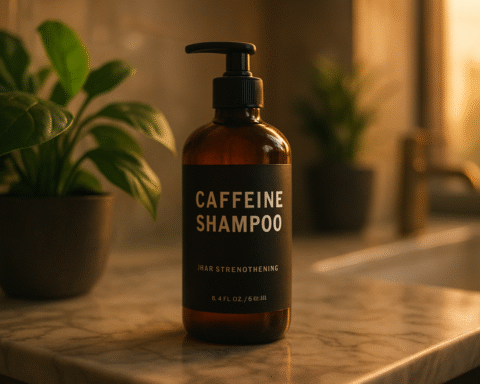
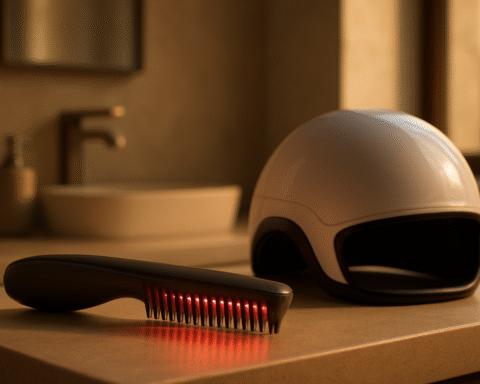
Hairmaxxing refers to the intentional use of treatments designed to maximize hair growth and density. These may include topical agents like minoxidil, nutritional supplements, or device-based therapies such as low-level laser therapy. While the goal is to boost hair health, many users experience an initial increase in hair shedding, often causing alarm.
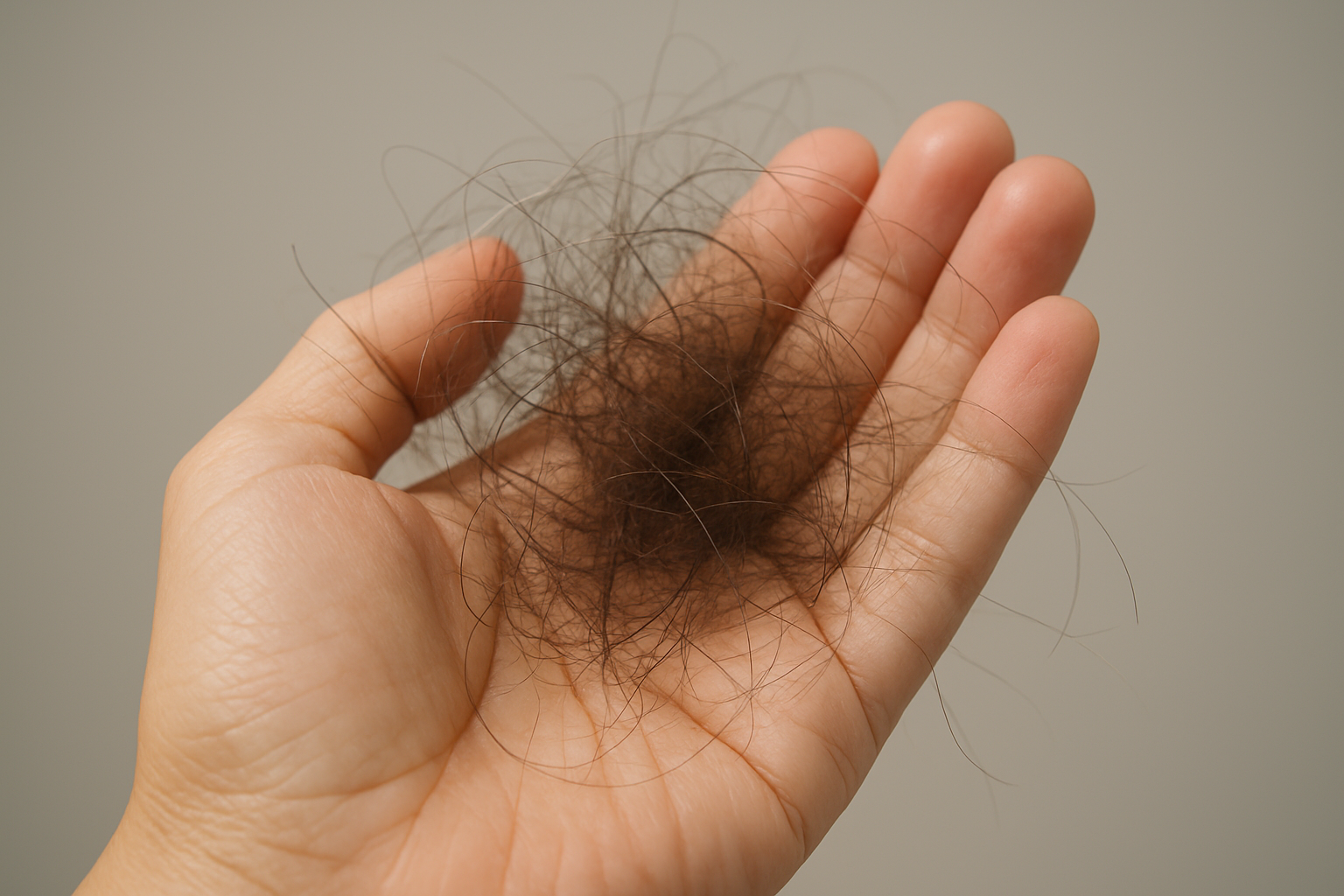
This shedding, known as the "shedding phase" or "adjustment period," occurs because hair follicles respond to the treatment by cycling out old hairs to make way for new growth. It’s a biological reset rather than a setback. However, shedding can sometimes cross into problematic territory, indicating an adverse reaction or underlying health issues.
Understanding the difference between these two shedding types is critical to avoid unnecessary panic or treatment discontinuation.
The Hair Growth Cycle Explained: Why Shedding Is Part of the Process
To grasp why hairmax adjustment period shedding happens, it helps to understand the hair growth cycle. Hair grows and sheds in a repeating pattern consisting of three main phases:
- Anagen (Growth Phase): Lasts 2 to 7 years; hair actively grows during this stage.
- Catagen (Transition Phase): A brief 2 to 3-week period where hair growth slows and follicles shrink.
- Telogen (Resting Phase): Lasts about 3 months; old hairs rest before shedding naturally.
On average, a person loses 50 to 100 hairs daily as part of this cycle (American Academy of Dermatology). When hairmaxxing begins, treatments often stimulate dormant follicles to enter the anagen phase, pushing out hairs in the telogen phase prematurely. This controlled shedding is a sign the follicles are reacting and renewing themselves.
Hairmax Shedding Normal vs Abnormal: How to Tell the Difference
Distinguishing between normal and problematic shedding during hairmaxxing can be tricky. Here’s a breakdown of key characteristics to help you tell them apart:
Normal Shedding Characteristics
- Duration: Typically lasts 2 to 8 weeks.
- Hair Count: Shedding may temporarily exceed usual rates but rarely surpasses 100 hairs per day.
- Pattern: Diffuse shedding without patchy or sudden bald spots.
- Scalp Health: No itching, redness, or inflammation.
- Regrowth Signs: New hair growth may appear within 3 to 6 months.
Problematic Shedding Characteristics
- Duration: Shedding continues beyond 8 weeks or worsens over time.
- Hair Count: Consistently losing more than 100 hairs daily.
- Pattern: Patchy hair loss, scalp irritation, or visible thinning.
- Scalp Health: Presence of inflammation, itching, or discomfort.
- Additional Symptoms: Sudden hair loss triggered by illness, medication, or stress.
If you notice problematic signs, it’s vital to pause treatment and consult a dermatologist to identify underlying causes (NIH – MedlinePlus).
Hairmax Adjustment Period Shedding: Timeline and What to Expect
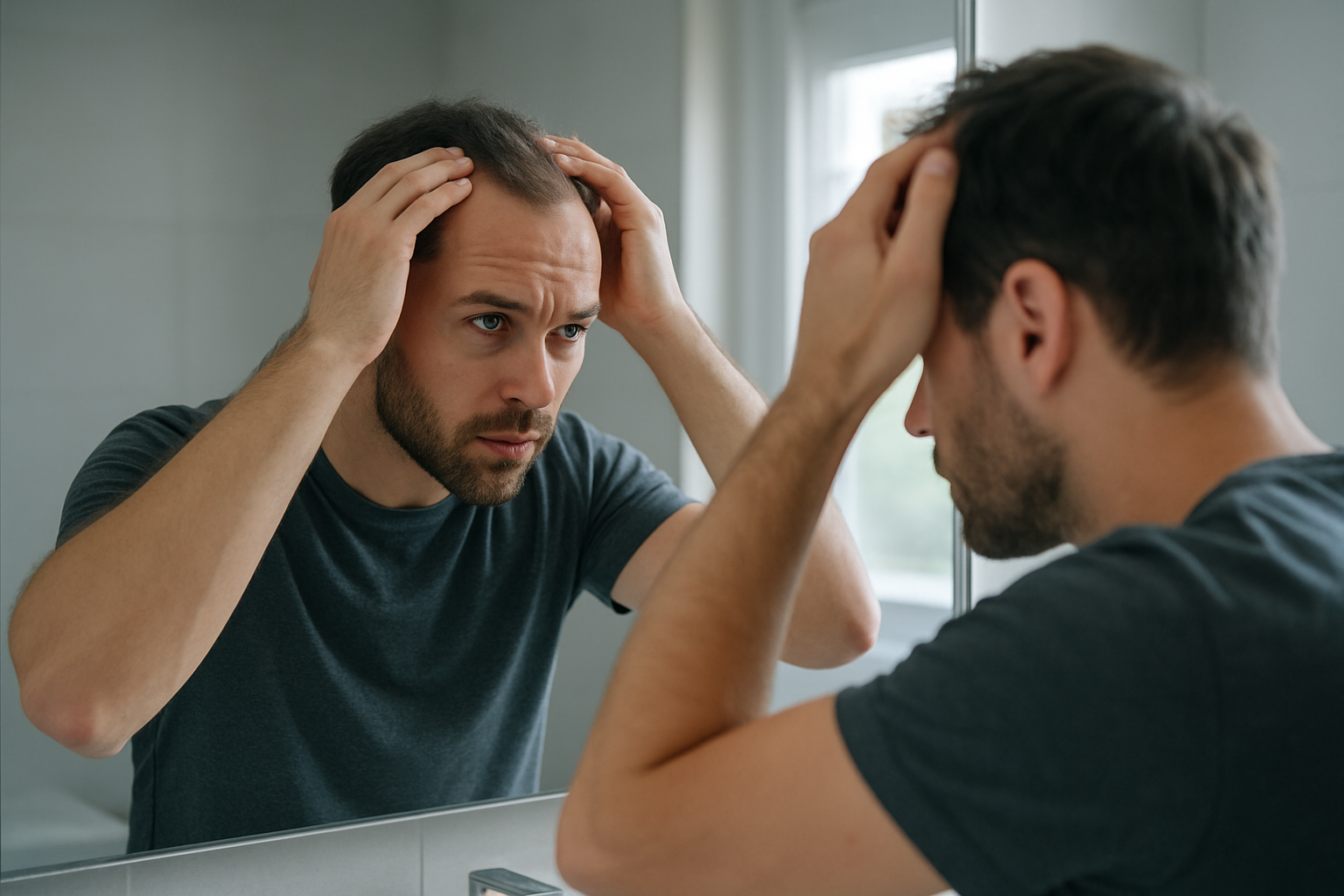
Most users encounter the adjustment period shedding within the first few weeks of starting hairmaxxing. Here’s a typical timeline:
- Week 1 to 2: Shedding may increase as follicles shift phases.
- Week 3 to 8: Peak shedding occurs; some users report clumps of hair falling during washing or brushing.
- Week 9 onward: Shedding should gradually reduce, and new hairs start to appear.
- Month 3 to 6: Noticeable regrowth and improved hair density for most users.
Understanding this timeline helps set realistic expectations and avoids premature treatment abandonment. Remember, this shedding phase often indicates that your hair follicles are responding well to the regimen.
Common Hairmaxxing Shedding Pitfalls and How to Avoid Them
Avoiding hairmaxxing shedding pitfalls can save you from frustration and setbacks. Here are some common mistakes and how to steer clear of them:
1. Discontinuing Treatment Too Soon
Shedding can be distressing, but stopping treatment during the adjustment period usually halts progress and leads to further hair loss. Patience is crucial.
2. Overusing or Incorrect Application
Using more product than recommended or applying it inconsistently can cause scalp irritation and exacerbate shedding.
3. Neglecting Scalp Care
Ignoring scalp hygiene or using harsh shampoos can weaken hair follicles and worsen hair loss.
4. Ignoring Nutritional and Lifestyle Factors
Poor diet, stress, and lack of sleep negatively impact hair growth and prolong shedding phases.
5. Not Monitoring Shedding Patterns
Failing to track shedding duration or severity makes it difficult to identify problematic shedding early.
By avoiding these pitfalls and following a structured approach, you can minimize hairmax shedding problems and support healthy regrowth.
Signs You Should Be Concerned: When Shedding Is a Red Flag
While some shedding is expected, certain warning signs suggest that you should seek medical advice:
- Shedding persists beyond 8 weeks without improvement.
- Hair loss becomes patchy or uneven.
- Scalp shows redness, scaling, or sores.
- Sudden, massive hair loss occurs overnight or after a triggering event.
- You experience other symptoms such as fatigue, weight changes, or hormonal imbalances.
These signs could indicate conditions such as alopecia areata, telogen effluvium, or thyroid dysfunction (American Academy of Dermatology).
Hairmax Shedding Recovery Tips: Proven Ways to Support Regrowth
Recovering from hairmaxxing shedding involves more than just waiting. Implementing the right strategies can accelerate regrowth and reduce discomfort.
Consistent Treatment Adherence
Stick to your prescribed hairmaxxing routine. Abrupt stoppage can cause rebound shedding, setting your progress back (Mayo Clinic).
Gentle Hair and Scalp Care
- Use mild, sulfate-free shampoos.
- Avoid excessive heat styling or chemical treatments.
- Choose loose hairstyles to minimize traction.
Nutritional Support
Ensure your diet includes:
- Iron: Deficiency linked to hair loss.
- Vitamin D: Supports follicle cycling.
- Zinc: Promotes hair tissue growth.
- Biotin: Enhances hair strength.
Consult a healthcare provider before starting supplements.
Stress Reduction
Chronic stress triggers telogen effluvium and worsens shedding. Techniques such as meditation, yoga, or even regular exercise can help manage stress.
Scalp Stimulation
Regular scalp massages improve blood flow and may enhance follicle activity. Low-level laser therapy devices can also be a useful adjunct to hairmaxxing.
Avoid Harsh Chemicals
Stay away from products with alcohol, parabens, or fragrances that can irritate your scalp.
Nutritional and Lifestyle Factors Supporting Hairmaxxing Success
Your lifestyle plays a significant role in how well your hairmaxxing journey goes. Here’s how to bolster your efforts:
- Balanced Diet: Incorporate lean proteins, leafy greens, nuts, and whole grains.
- Hydration: Adequate water intake supports scalp health.
- Sleep Quality: Aim for 7 to 9 hours nightly to promote cellular repair.
- Limit Smoking and Alcohol: Both impair circulation and nutrient absorption.
- Exercise: Enhances blood flow, including to the scalp.
Combining these factors with a dedicated hairmaxxing routine sets the stage for healthier, thicker hair over time.
When to Consult a Specialist or Adjust Your Hairmaxxing Routine
If you experience persistent shedding beyond the typical adjustment period, or if you notice scalp irritation, it’s wise to consult a dermatologist or trichologist. They can:
- Perform scalp examinations and blood tests.
- Rule out underlying medical conditions.
- Recommend personalized treatment adjustments.
- Prescribe topical or oral medications if necessary.
Also, if you’re unsure about how to stop hairmax shedding, a professional can provide guidance tailored to your hair type and health status.
Hairmax Shedding Troubleshooting Guide: Practical Steps to Take
When facing shedding challenges, follow this step-by-step guide:
- Track Your Shedding: Note frequency, volume, and duration.
- Evaluate Product Use: Ensure proper application and avoid overuse.
- Check Scalp Condition: Look for redness or irritation.
- Review Lifestyle Factors: Diet, stress, sleep, and hair care habits.
- Implement Recovery Hacks: Gentle care, nutrition, scalp massage.
- Consult Experts: If shedding persists or worsens.
For an in-depth troubleshooting resource, visit supermaxxed.com/hairmaxxing-guide.
Frequently Asked Questions About Hairmaxxing Shedding Pitfalls
1. What causes hair shedding when I start hairmaxxing?
Shedding occurs because hair follicles enter a new growth cycle stimulated by treatment. Old hairs are pushed out to make way for fresh growth, resulting in temporary increased shedding.
2. How can I tell if my shedding is normal or a problem?
Normal shedding usually lasts 2 to 8 weeks, is diffuse, and is not accompanied by scalp irritation. Excessive shedding beyond 8 weeks, patchy hair loss, or scalp discomfort may indicate a problem.
3. How long does the shedding phase last during hairmaxxing?
Generally, shedding peaks within the first 2 to 8 weeks and subsides by week 9. Visible regrowth typically starts around 3 to 6 months after treatment initiation.
4. Are there ways to stop hairmax shedding or minimize it?
While you can’t entirely prevent shedding during the adjustment period, following hairmax shedding recovery tips such as consistent treatment use, gentle hair care, good nutrition, and stress management can reduce shedding severity.
5. When should I see a doctor about my hairmaxxing shedding?
If shedding continues beyond 8 weeks, worsens, causes patchy baldness, or is coupled with scalp irritation, consult a dermatologist to rule out underlying conditions.
Mastering Hairmaxxing Shedding Pitfalls for Long-Term Hair Health
Hairmaxxing shedding pitfalls can create anxiety, but understanding the process empowers you to navigate this phase confidently. Recognizing hairmax shedding normal vs abnormal patterns, respecting the hairmax adjustment period shedding timeline, and applying effective hairmax shedding recovery tips are essential to maximizing your results.
Avoid common mistakes like stopping treatment prematurely or neglecting scalp care. Instead, adopt a holistic approach that includes nutrition, lifestyle adjustments, and patience. Remember, shedding is often a sign that your follicles are waking up and making room for new growth.
If you need more guidance, detailed troubleshooting, or community support, visit supermaxxed.com/hairmaxxing-guide. With the right knowledge and care, you can overcome hairmaxxing shedding pitfalls and enjoy healthier, thicker hair for years to come.
Authoritative Sources
-
American Academy of Dermatology — Hair Loss Types and Treatments
https://www.aad.org/public/diseases/hair-loss/types-of-hair-loss -
Mayo Clinic — Hair Loss Symptoms and Causes
https://www.mayoclinic.org/diseases-conditions/hair-loss/symptoms-causes/syc-20372926 -
NIH MedlinePlus — Hair Loss Overview
https://medlineplus.gov/hairloss.html