

Discover effective mewing jawline exercises to naturally enhance your jawline with proper tongue posture, chewing techniques, and realistic expectations.
Sharpen Your Jawline Naturally with Mewing and Targeted Exercises
A well-defined jawline is often seen as a hallmark of attractiveness and youthfulness. But not everyone is blessed with sharp facial features naturally. If you’re looking for natural ways to sharpen your jawline, you’ve probably come across the buzz around mewing and specific jawline exercises. These techniques promise a non-invasive path to enhancing your facial definition by focusing on tongue posture, muscle toning, and even chewing habits.
But how effective are mewing jawline exercises really? What does the science say, and how do you do mewing properly to see results? This comprehensive guide covers everything you need to know—from the basics of mewing to jawline exercises for men and women, the benefits of chewing mastic gum, and what realistic mewing before and after results might look like.
Table of Contents
What Is Mewing and Why Does It Matter?

Mewing is a technique centered around maintaining proper tongue posture to influence the shape and structure of your face naturally. It was popularized by British orthodontists Dr. John Mew and Dr. Mike Mew, who believe that correct tongue placement can promote better jaw alignment and facial development over time.
At its core, mewing involves resting your entire tongue against the roof of your mouth—not just the tip. This subtle but consistent pressure is thought to encourage the maxilla (upper jaw) to grow forward and upward, potentially enhancing your jawline and facial symmetry.
Unlike quick-fix cosmetic procedures, mewing is a gradual process that requires daily mindfulness of your tongue posture and breathing habits. Its appeal lies in being a natural, non-surgical approach that anyone can try.
Why Proper Tongue Posture Matters
Modern lifestyles have seen a rise in mouth breathing and poor oral posture, often linked to softer diets and less use of jaw muscles in childhood. Mewing advocates argue that these changes contribute to narrower jaws, recessed chins, and less defined facial features.
By training your tongue to rest correctly, you may help counteract these effects. Proper tongue posture also supports nasal breathing, which has additional health benefits like improved oxygen intake and reduced risk of sleep apnea.
For more on what proper oral posture entails, the American Association of Orthodontists offers an excellent overview.
How to Do Mewing Properly: Step-by-Step Guide
Doing mewing correctly is more than just pressing your tongue against the roof of your mouth. Here’s how to do mewing properly to maximize the potential benefits of this technique:
- Position Your Tongue Fully Against the Palate
The entire tongue—especially the back third—should be flat against the roof of your mouth. Avoid just touching the tip; the goal is full contact from tip to base. - Place the Tip of Your Tongue Just Behind the Upper Front Teeth
The tip should rest gently behind your upper front teeth, but never press against or push them forward. - Keep Your Lips Closed, Teeth Slightly Apart or Lightly Touching
Your mouth should be closed comfortably without clenching your teeth. Lips should rest naturally without strain. - Breathe Through Your Nose
Nasal breathing supports proper oral posture and encourages the tongue to stay in the right place. Mouth breathing often pulls the tongue down and forward, which disrupts mewing. - Maintain This Posture Consistently
Mewing requires constant awareness. The more you maintain this tongue position throughout the day, the greater the potential benefit.
Common Mistakes to Avoid
- Only placing the tip of the tongue on the palate
- Pressing the tongue too hard, causing strain or discomfort
- Breathing through the mouth instead of the nose
- Clenching the jaw or grinding the teeth
- Expecting immediate changes without consistent practice
If you want a detailed guide on tongue placement and posture, the University of Washington Orthodontics Department provides clear illustrations and tips.
Jawline Exercises for Men and Women: Strengthen and Tone

While mewing focuses on tongue posture and bone influence, jawline exercises target the muscles around your jaw to increase tone and definition. These exercises are effective for both men and women looking to enhance their facial contours naturally.
Key Muscles to Target
- Masseter Muscle: The main chewing muscle on the sides of your jaw
- Temporalis Muscle: Located on the sides of your head, assisting in jaw movement
- Pterygoid Muscles: Deeper muscles involved in jaw motion
Effective Jawline Exercises
- Jaw Clenching and Releasing
- Clench your jaw muscles tightly for 5 seconds.
- Relax for 10 seconds.
- Repeat 10-15 times.
- Side-to-Side Jaw Movements
- Move your lower jaw slowly from side to side.
- Perform 10 repetitions on each side.
- Chin Lifts
- Tilt your head back and look toward the ceiling.
- Pucker your lips as if trying to kiss the ceiling.
- Hold for 5 seconds, then relax.
- Repeat 10-15 times.
- Neck Stretch and Jaw Push
- Tilt your head back gently.
- Push your lower jaw forward with your hand.
- Hold for 5 seconds, release, and repeat 10 times.
Incorporating These Exercises
Aim to perform these exercises daily or at least 3-4 times per week. Consistency is key to gradually strengthening your jaw muscles, which can help create a more chiseled look.
Benefits of Chewing Mastic Gum and Other Techniques
Chewing gum is a simple and effective way to engage your jaw muscles throughout the day. However, not all gums are created equal. Mastic gum, derived from the resin of the mastic tree, is harder than regular gum and provides greater resistance, making it ideal for jaw muscle training.
Why Choose Mastic Gum?
- Increases Muscle Strength and Thickness
A study published in the Journal of Oral Rehabilitation found that chewing gum for 20 minutes twice daily over four weeks significantly increased the thickness and strength of the masseter muscle. - Natural and Chemical-Free
Unlike many commercial gums, mastic gum is natural and free from artificial sweeteners or additives. - Additional Oral Health Benefits
Mastic gum has antimicrobial properties that can improve dental hygiene and freshen breath.
How to Use Mastic Gum for Jawline Enhancement
- Chew mastic gum for 10-20 minutes twice a day.
- Avoid excessive chewing to prevent damage to the temporomandibular joint (TMJ).
- Combine gum chewing with jawline exercises for best results.
Regular chewing strengthens your jaw muscles subtly over time, complementing the effects of mewing and targeted exercises.
For more on the benefits and precautions of chewing gum, check out this Mayo Clinic resource on TMJ disorders.
How Mewing and Exercises Affect Facial Bones and Muscles
Understanding the physiological effects behind mewing jawline exercises helps set realistic expectations.
Bone Remodeling and Growth
- In Younger Individuals:
Since bones are still growing and more malleable during adolescence and early adulthood, proper tongue posture can influence maxillary and mandibular development over years. This can subtly affect facial shape and jawline prominence. - In Adults:
Bone remodeling slows significantly after growth plates close. While mewing may promote minor changes by encouraging better posture, dramatic skeletal alterations are unlikely without surgical intervention.
Muscle Toning and Definition
Jawline exercises and chewing mastic gum primarily work by:
- Strengthening the masseter and surrounding muscles
- Increasing muscle thickness and tone
- Improving blood circulation and muscle firmness
This muscle conditioning can contribute to a more defined jawline and reduce sagging skin around the lower face.
Postural Benefits
Mewing encourages correct oral posture and nasal breathing, which may improve overall head and neck alignment. Better posture can reduce strain in the jaw and neck muscles, potentially enhancing facial aesthetics and reducing tension-related discomfort.
Mewing Before and After Results: What to Expect
If you’re curious about mewing before and after results, it’s essential to understand the timeline and realistic outcomes.
Timeline for Changes
- Short Term (Weeks to Months):
You may notice improved tongue posture, better nasal breathing, and slight muscle toning around the jaw. - Medium Term (6-12 Months):
Muscle definition may become more apparent with consistent jawline exercises and gum chewing. Postural improvements can enhance facial symmetry. - Long Term (1-3 Years or More):
In younger individuals, subtle bone remodeling may occur, potentially sharpening the jawline and improving facial structure. Adults are more likely to see changes limited to muscle tone and posture.
Factors Influencing Results
- Age and bone growth potential
- Consistency and correctness of mewing and exercises
- Genetic predisposition to facial structure
- Overall body fat percentage and weight
- Lifestyle factors such as diet, hydration, and sleep quality
Realistic Expectations
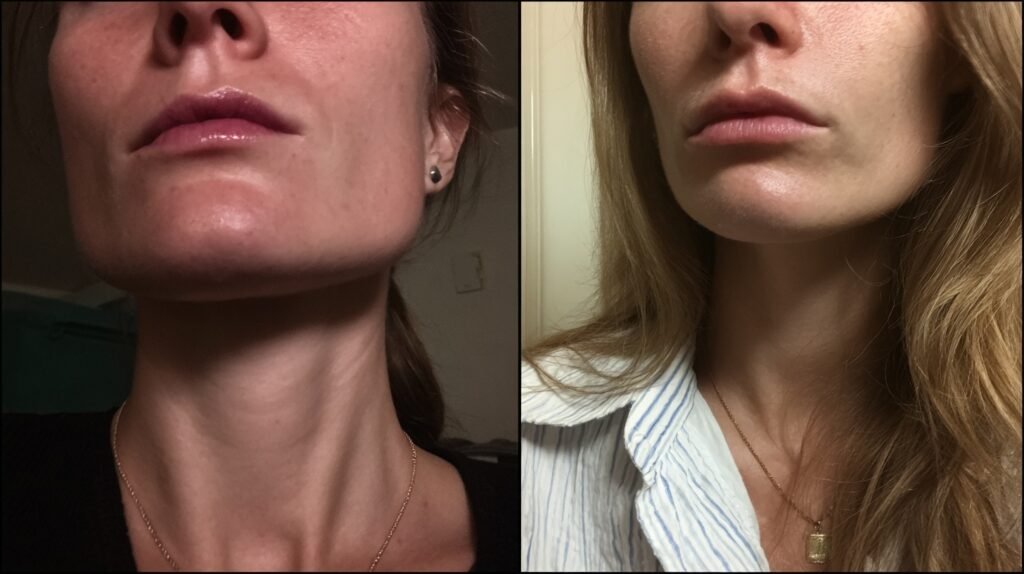
Expect gradual, subtle changes rather than dramatic transformations. Photos online showing extreme mewing before and after results often involve additional factors like weight loss, lighting, or digital enhancement.
Dr. Michael Apa, a cosmetic surgeon, emphasizes that while muscle toning helps, it cannot replace the structural changes achieved with surgery or orthodontics (RealSelf interview).
Common Myths About Mewing and Jawline Exercises
There’s a lot of misinformation floating around about mewing jawline exercises. Here are some myths debunked:
Myth 1: Mewing Can Dramatically Reshape Your Face in Weeks
Fact: Bone remodeling is a slow process, especially in adults. Any changes from mewing take consistent effort over months or years and are usually subtle.
Myth 2: Jawline Exercises Alone Can Give You a Model-Like Jawline
Fact: While exercises improve muscle tone, they do not change bone structure or significantly reduce fat deposits. Genetics and body fat levels heavily influence jawline appearance.
Myth 3: Chewing Gum Is Harmful to Your Jaw
Fact: Moderate chewing strengthens muscles, but excessive gum chewing may strain the TMJ and cause pain. Balance is key.
Myth 4: Mewing Replaces the Need for Braces or Surgery
Fact: Mewing is not a substitute for professional orthodontic treatment when correcting significant dental or skeletal issues.
Myth 5: Anyone Can Achieve the Same Results with Mewing
Fact: Individual results vary based on age, genetics, and adherence to technique.
The American Association of Orthodontists provides a detailed analysis of these myths.
Scientific Evidence and Expert Opinions
While mewing and jawline exercises have gained popularity, scientific research is still emerging.
- A 2018 Journal of Oral Rehabilitation study confirmed that chewing gum increases masseter muscle thickness and strength, confirming benefits for jaw muscle toning.
- Research on tongue posture’s influence on facial morphology is ongoing, with links to airway health and sleep apnea management (Sleep Medicine Reviews, 2023).
- Experts like Dr. Michael Apa acknowledge the muscle benefits but caution that exercises cannot replace structural changes from surgery.
- The National Institutes of Health supports orofacial myofunctional therapy, which shares principles with mewing, for improving facial muscle function and airway health (NIH article).
These findings underline that while mewing jawline exercises can contribute positively to muscle tone and posture, their effect on bone structure remains limited and gradual.
Tips for Consistency and Avoiding Mistakes
Success with mewing jawline exercises depends on persistence and correct technique. Here are practical tips:
- Set Reminders: Use phone alerts to check and correct your tongue posture throughout the day.
- Combine Techniques: Pair mewing with jawline exercises and chewing mastic gum for synergistic effects.
- Avoid Overdoing It: Don’t strain your jaw muscles or over-chew gum to prevent TMJ issues.
- Maintain Good Overall Health: Hydrate, eat a balanced diet, and manage body fat for better facial definition.
- Practice Nasal Breathing: If nasal congestion hinders this, consult a healthcare professional.
- Stay Patient: Changes are subtle and slow. Avoid comparing yourself to unrealistic online before and after photos.
- Consult Professionals: If you experience jaw pain or have orthodontic concerns, seek expert advice.
FAQs About Mewing Jawline Exercises
1. What exactly is mewing and how do I do it correctly?
Mewing is maintaining your entire tongue flat against the roof of your mouth with lips closed and teeth slightly apart. To do it properly, ensure the back third of your tongue is pressing upward and breathe through your nose consistently.
2. Can mewing and jawline exercises really change my facial structure?
In younger individuals, mewing may influence bone growth over time. In adults, changes are mostly limited to muscle tone and improved posture rather than bone remodeling.
3. How long will it take to see noticeable changes?
Muscle toning can show subtle effects within weeks to months. Bone-related changes from mewing take years and are more pronounced if started young.
4. Is chewing mastic gum necessary or beneficial?
Mastic gum provides resistance that strengthens jaw muscles better than regular gum. It’s a beneficial complement to jawline exercises but should be chewed moderately to avoid TMJ strain.
5. Are there any risks or side effects?
Excessive chewing or incorrect jaw exercises may cause jaw pain or TMJ problems. Mewing itself is low risk if done gently, but mouth breathing or clenching should be avoided.
Natural Ways to Sharpen Your Jawline: Final Thoughts on Mewing Jawline Exercises
Mewing jawline exercises offer a natural, cost-effective approach to enhancing your facial aesthetics, focusing on proper tongue posture, targeted muscle strengthening, and mindful chewing techniques like using mastic gum. While these methods won’t produce overnight transformations or replace surgical options, they can contribute to subtle improvements in jawline definition over time.
Consistency and correct technique are vital. Embrace mewing as part of a holistic lifestyle that includes good posture, nasal breathing, balanced nutrition, and regular exercise. Always maintain realistic expectations and consult healthcare professionals for personalized advice, especially if you experience discomfort or seek structural corrections.
Incorporating mewing jawline exercises into your daily routine is a proactive step toward achieving a more defined jawline naturally, backed by emerging science and expert insights.
Authoritative Sources:
- American Association of Orthodontists – Mewing Facts and Myths
- Journal of Oral Rehabilitation – Effects of Chewing Gum on Jaw Muscles
- Mayo Clinic – TMJ Disorders and Jaw Health
- National Institutes of Health – Orofacial Myofunctional Therapy
- RealSelf Expert Interview – Dr. Michael Apa on Jawline Enhancement