
Discover the ultimate hairmaxxing guide with hairstyles, treatments, and tips to prevent balding and boost hair health effectively.
Unlocking the Secrets of Hairmaxxing: Boost Your Hair Health and Appearance
Hairmaxxing is more than just a buzzword—it’s a holistic approach to maximizing your hair’s growth, volume, and vitality through smart hairstyling, proven treatments, and daily care routines. Whether you’re noticing early thinning, struggling with male or female pattern baldness, or simply want to keep your locks looking their best, understanding hairmaxxing can transform how you manage your hair health.
From choosing the best hairstyles for thinning hair to navigating the sometimes confusing world of minoxidil vs finasteride for hair loss, this guide covers everything you need to know. Plus, you’ll discover essential scalp care tips for hair growth, explore non-surgical hair loss solutions, and get an insider’s look at hair transplant cost and procedure details. Consider this your go-to resource to take control of your hair journey with confidence.
Table of Contents
What Is Hairmaxxing? Understanding the Concept and Benefits
Hairmaxxing is the practice of optimizing every factor that contributes to hair growth, density, and appearance. The goal is to maximize your hair potential, combining smart hairstyling, medical treatments, scalp health, and lifestyle choices.
Why does this matter? Hair loss affects millions globally, with an estimated 80 million Americans experiencing some form of thinning or baldness. It impacts confidence and social interactions. Hairmaxxing isn’t about chasing unrealistic “miracle” cures; it’s a realistic, evidence-based approach to slowing hair loss, regrowing hair where possible, and improving how your hair looks and feels.
The benefits of hairmaxxing include:
- Enhanced hair volume and density
- Increased confidence and self-esteem
- Slower progression of hair thinning or balding
- Healthier scalp environment supporting natural hair growth
- Effective use of treatments tailored to your unique needs
This guide will walk you through the best hairstyles to camouflage thinning, the science-backed treatments to consider, and key daily habits that promote hair health.
Best Hairstyles for Thinning Hair: Tailored to Your Face Shape

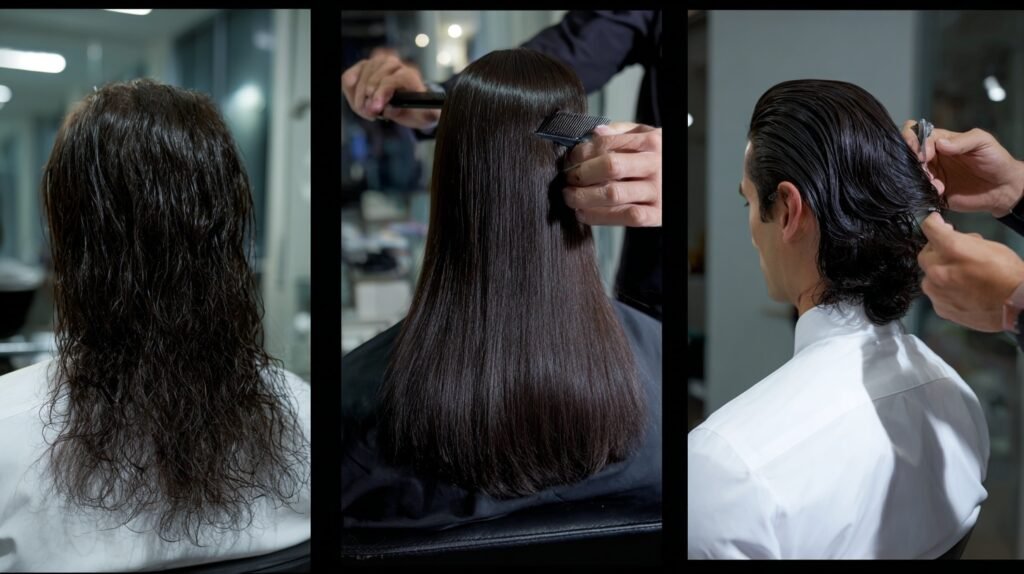
When your hair starts thinning, the right hairstyle can make a world of difference. It’s not just about covering up—it’s about styling that creates volume, balances proportions, and highlights your best features.
Oval Face
Lucky you. Oval faces are considered the most versatile. You can experiment with:
- Medium-length layered cuts that add texture
- Textured crops that boost volume without weighing hair down
- Side parts or gentle waves for natural fullness
Avoid heavy blunt cuts that flatten your hair. Adding layers can give the illusion of thicker hair.
Round Face
The goal here is to elongate your face and avoid width at the cheeks. Try:
- Pompadours or quiffs that add height on top
- Layered hairstyles with volume concentrated at the crown
- Side parts instead of center parts to break roundness
Avoid short, chin-length bobs or styles that puff around the cheeks.
Square Face
To soften a strong jawline, consider:
- Soft layers or waves that add movement
- Side parts to break the boxy look
- Textured cuts that prevent the face from seeming angular
Steer clear of blunt, straight-across bangs which can emphasize angularity.
Heart Face
Balancing a wider forehead with a narrower chin is key:
- Chin-length bobs or curls add volume around the jawline
- Side-swept bangs reduce forehead prominence
- Layered styles that frame the face
Avoid overly voluminous top styles which draw attention upwards.
Long Face
Prevent elongation by adding width:
- Layered cuts or waves that add horizontal volume
- Avoid very long, straight hairstyles which make your face look longer
- Side parts and curls are your friends
Consult a stylist for tailored suggestions based on your hair texture and density.
Minoxidil vs Finasteride for Hair Loss: Which One Works for You?

Two star players in the hair loss treatment world are minoxidil and finasteride. Both are FDA-approved but work differently and suit different needs.
Minoxidil
Minoxidil is a topical solution or foam applied directly to the scalp. It works by increasing blood flow and prolonging the growth phase of hair follicles.
Pros:
- Available over-the-counter without prescription
- Suitable for men and women
- Studies show about 40% of users get moderate to dense regrowth after consistent use for 4+ months (NIH study)
- Easy to incorporate into daily routine
Cons:
- Requires lifelong use to maintain results
- Possible side effects include scalp irritation, redness, and initial shedding
- May cause unwanted facial hair if applied improperly
Finasteride
Finasteride is an oral medication prescribed mainly for men. It blocks the conversion of testosterone to dihydrotestosterone (DHT), the hormone that miniaturizes hair follicles in androgenetic alopecia.
Pros:
- Proven to stop hair loss in 83% of men and promote visible regrowth in 66% within one year (FDA label)
- Simple daily pill
Cons:
- Prescription only, not approved for women of childbearing age
- Potential side effects: reduced libido, erectile dysfunction, mood changes
- Must be taken continuously or benefits reverse
Choosing Between Them
If you’re just starting to notice thinning, minoxidil can be a gentle yet effective first step. Men with more significant hair loss might consider finasteride, but it’s essential to discuss risks with a healthcare provider.
Many dermatologists recommend combining both for maximum effect. Early and consistent treatment yields the best outcomes.
Scalp Care Tips for Hair Growth: The Foundation of Hairmaxxing
Your scalp is the soil where hair grows, so nurturing it is crucial. Neglect can lead to clogged follicles, inflammation, and impaired growth.
Essential Scalp Care Practices
- Regular Cleansing: Use gentle shampoos to remove excess oil, dirt, and product buildup. Overwashing can dry out the scalp, so balance is key.
- Exfoliation: Weekly scalp scrubs or chemical exfoliants (like salicylic acid) remove dead skin cells and prevent follicle blockage.
- Moisturizing: Lightweight oils or scalp serums maintain hydration and barrier health without clogging pores.
- Avoid Harsh Treatments: Limit heat styling, chemical relaxers, and tight hairstyles that stress hair and scalp.
- Massage: Daily scalp massage for 5-10 minutes can boost blood circulation and stimulate follicles (National Library of Medicine).
The Scalp Microbiome: A New Frontier
Emerging research reveals that a balanced scalp microbiome—a community of bacteria and fungi living on the scalp—helps reduce inflammation and supports healthy hair growth. Using mild, pH-balanced products and avoiding harsh sulfates can protect this delicate ecosystem (Frontiers in Cellular and Infection Microbiology).
Diet and Lifestyle: Fueling Healthy Hair from Within
External treatments only tell part of the story. What you eat and how you live have a powerful influence on hair health.
Nutritional Essentials for Hairmaxxing
- Protein: Hair is primarily keratin, a protein. Ensure adequate intake from lean meats, legumes, and dairy.
- Iron: Deficiency is linked to hair thinning, especially in women. Spinach, red meat, and fortified cereals are good sources.
- Vitamins A, C, D, E, and Biotin: Support hair follicle function and scalp health.
- Omega-3 Fatty Acids: Reduce inflammation and nourish follicles found in fish, walnuts, and flaxseeds.
Lifestyle Habits to Adopt
- Manage Stress: Chronic stress triggers hair shedding via the telogen effluvium pathway. Meditation, exercise, and sleep hygiene help.
- Avoid Smoking: Smoking reduces blood flow to the scalp and damages hair follicles.
- Stay Hydrated: Water supports cellular functions critical to hair growth.
- Limit Alcohol: Excessive intake can disrupt nutrient absorption.
A well-rounded diet paired with healthy habits boosts your body’s ability to support hairmaxxing.
Non-Surgical Hair Loss Solutions: Instant and Effective Options
Sometimes you need a quick confidence boost or want to avoid medications and surgery. Non-surgical hair loss solutions offer immediate or gradual improvements.
Hair Fibers and Concealers
Keratin-based fibers like Toppik and Caboki cling to existing hair shafts, filling in thinning areas and creating the illusion of thickness. They:
- Work instantly and wash out with shampoo
- Are suitable for all hair colors and types
- Are safe and have no known side effects
These products don’t stop hair loss but provide a natural-looking cosmetic fix (American Hair Loss Association).
Low-Level Laser Therapy (LLLT)
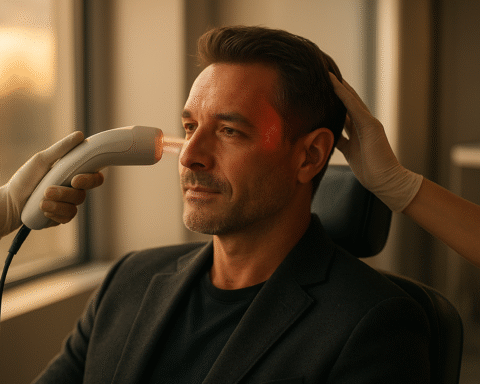
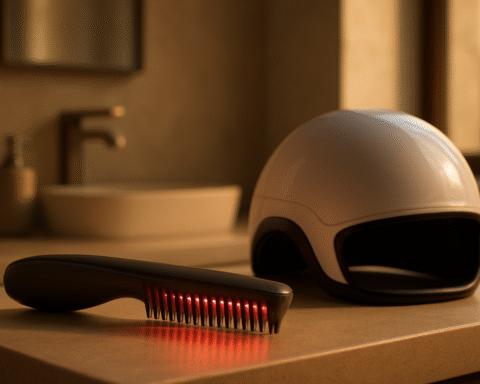
Device options like laser combs and helmets use red light to stimulate follicle activity. Some users report thicker hair and slowed loss, but results vary.
Platelet-Rich Plasma (PRP) Therapy
PRP involves injecting your own platelet-rich plasma into the scalp to promote healing and growth. It’s often used as an adjunct to other treatments.
These options can be effective for mild to moderate thinning or as complements to medical therapies.
Hair Transplant Cost and Procedure: What to Expect
When hair loss progresses beyond what topical and oral treatments can manage, hair transplantation offers a permanent solution.
What Is a Hair Transplant?
Hair follicles are taken from a donor area (usually the back or sides of the scalp, where hair is genetically resistant to balding) and transplanted to thinning or bald areas.
Techniques
- Follicular Unit Transplantation (FUT): A strip of scalp is removed, dissected into follicular units, and implanted.
- Follicular Unit Extraction (FUE): Individual follicular units are extracted and transplanted, leaving minimal scarring.
Modern FUE is favored for faster healing and natural results.
Procedure Overview
- Consultation and scalp assessment
- Local anesthesia administered
- Donor hair harvested and prepared
- Recipient sites created and follicles implanted
- Recovery involves some redness and mild swelling; most resume normal activities within a week
Hair Transplant Cost and Procedure Factors
- Cost Range: $4,000 to $15,000 depending on number of grafts, technique, geographic location, and surgeon expertise.
- Success Rate: ISHRS reports a 90-95% graft survival rate with natural hair growth (ISHRS).
- Suitability: Best candidates have sufficient donor hair and realistic expectations.
Hair transplants can dramatically improve hair density but require commitment and investment.
Preventing Balding: Early Detection and Maintenance Strategies
Catching hair loss early can make all the difference. Here’s what to watch for and how to stay ahead.
Signs to Detect Early Hair Loss
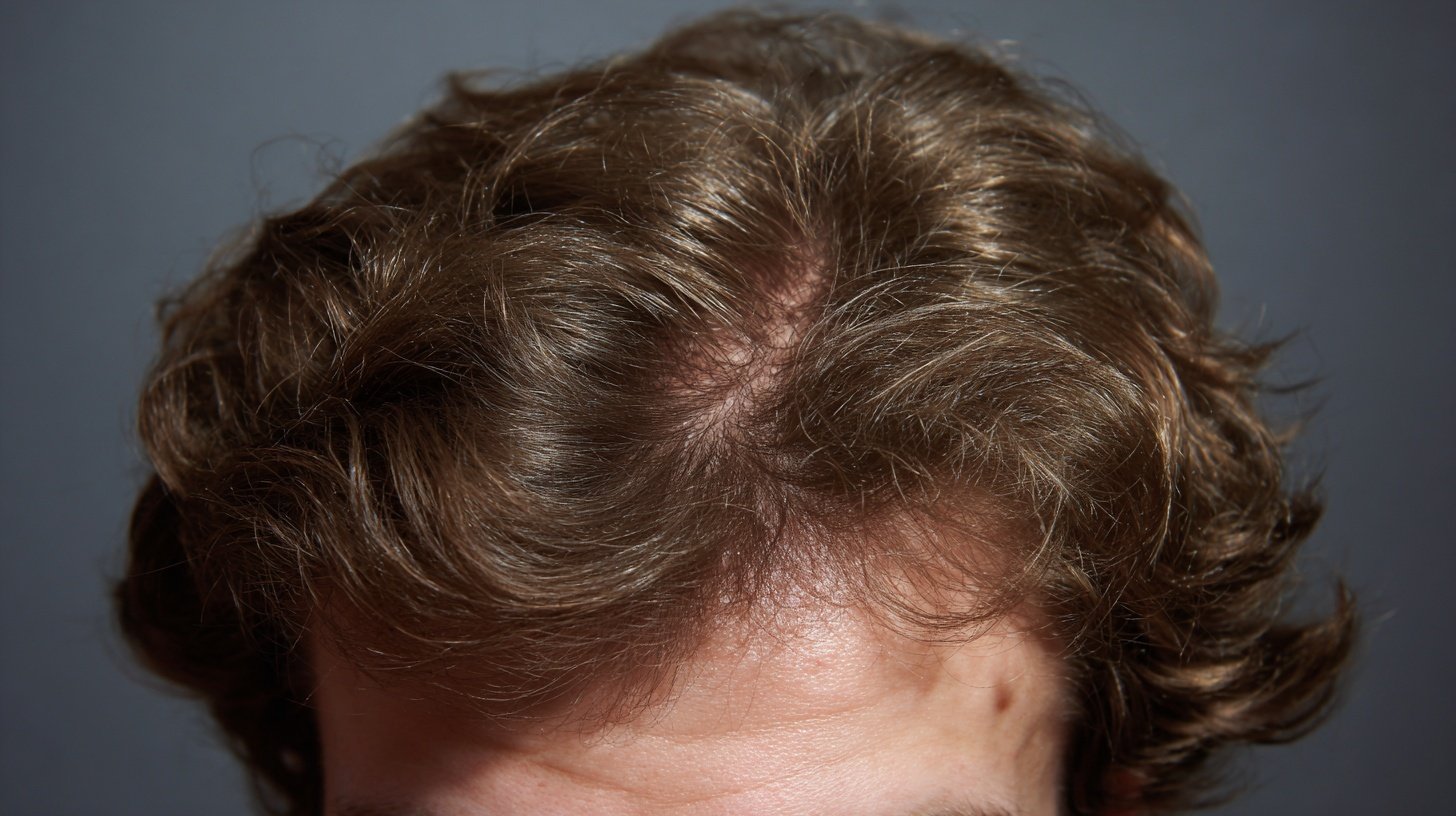
- Gradual thinning on the crown or temples
- Widening part lines (especially in women)
- Increased hair shedding beyond normal (50-100 hairs per day)
- Miniaturized or shorter hairs in thinning areas
Preventative Measures
- Start FDA-approved treatments (minoxidil, finasteride) at the first sign of thinning
- Maintain consistent scalp care habits
- Avoid hairstyles that strain follicles (tight ponytails, braids)
- Manage stress and maintain a healthy lifestyle
Regular check-ins with a dermatologist or hair specialist can help tailor your plan.
Common Myths and Misconceptions About Hair Loss Treatments
The hair loss world is full of misinformation. Clearing up myths helps you make smarter choices.
Myth 1: Hair Loss Is Only Genetic
While genetics play a major role, factors like stress, nutrition, illness, and scalp health also impact hair loss.
Myth 2: Shampooing Causes Hair Loss
Gentle cleansing removes dirt and oils, supporting scalp health. Harsh shampoos or over-washing, however, can cause dryness and breakage.
Myth 3: Minoxidil and Finasteride Work Immediately
Both require consistent use for several months before visible results appear. Patience and adherence are vital.
Myth 4: Hair Transplants Look Fake
Modern techniques deliver natural results when performed by skilled surgeons.
Myth 5: Non-Surgical Solutions Can Cure Baldness
Hair fibers and concealers only mask thinning; they do not treat underlying causes.
Creating Your Personalized Hairmaxxing Routine
Combining styling, treatments, and habits into a routine makes hairmaxxing manageable and effective.
Step 1: Assess Your Hair and Goals
- Identify your hair loss type and face shape
- Define whether your goal is prevention, regrowth, or cosmetic improvement
Step 2: Choose Suitable Hairstyles
- Select cuts that add volume and suit your face shape
- Consult a professional stylist for personalized advice
Step 3: Start Medical Treatments If Needed
- Begin minoxidil or finasteride after consulting with a healthcare provider
- Follow dosing and application guidelines strictly
Step 4: Establish Scalp Care Habits
- Cleanse and exfoliate scalp regularly
- Use moisturizing serums or oils as needed
- Incorporate scalp massages daily
Step 5: Optimize Diet and Lifestyle
- Eat nutrient-rich foods
- Manage stress and stay hydrated
Step 6: Use Non-Surgical Enhancements for Confidence Boosts
- Apply hair fibers or concealers on thinning days
- Consider LLLT or PRP if appropriate
Step 7: Evaluate for Hair Transplant Candidacy
- If hair loss progresses, consult a specialist about transplant options and costs
Consistency, education, and patience are your best allies.
Frequently Asked Questions about Hairmaxxing
1. What exactly does hairmaxxing mean?
Hairmaxxing is the practice of optimizing all aspects of hair health and appearance—through styling, medical treatments, scalp care, and lifestyle—to maximize hair growth and volume.
2. Which hairstyle works best for thinning hair?
Styles that add texture, layers, and volume—tailored to your face shape—are best. For example, pompadours suit round faces, layered cuts fit oval faces, and waves help soften square faces.
3. How effective are minoxidil and finasteride? Do they have side effects?
Minoxidil helps about 40% of users see hair regrowth after months, with minor scalp irritation as a common side effect. Finasteride is more effective for men, stopping hair loss in 83%, but may cause sexual side effects. Early and consistent use is critical.
4. What daily scalp care routines promote hair growth?
Regular gentle cleansing, weekly exfoliation, moisturizing the scalp, avoiding harsh chemicals, and daily scalp massages promote a healthy environment for hair growth.
5. When should I consider a hair transplant?
If you have significant, stable hair loss and adequate donor hair, and if medical treatments aren’t sufficient or desired, a hair transplant may be suitable. Consult a specialist to evaluate candidacy and understand costs.
Taking Charge with This Hairmaxxing Guide: Your Path to Fuller Hair
This hairmaxxing guide brings together expert knowledge, practical styling advice, and trusted treatments to empower you on your hair journey. Hair loss can feel overwhelming, but armed with the right information, you can slow progression, improve hair health, and boost your appearance.
Remember, the best results come from early action, consistent care, and combining methods tailored to your unique needs. From choosing the right hairstyle and following scalp care tips for hair growth to understanding minoxidil vs finasteride for hair loss and exploring non-surgical hair loss solutions, every step counts.
If your hair loss advances beyond what topical and oral treatments can manage, learning about hair transplant cost and procedure options can prepare you for a potential permanent restoration.
Your hairmaxxing journey is personal, but you’re not alone. Consult with dermatologists or hair specialists to craft a plan that fits your lifestyle and goals. With patience, care, and the right strategy, fuller, healthier hair is within reach.
Authoritative References
- American Academy of Dermatology – Hair Loss Overview
https://www.aad.org/public/diseases/hair-loss/types-of-hair-loss - Mayo Clinic – Minoxidil Topical Description
https://www.mayoclinic.org/drugs-supplements/minoxidil-topical-route/description/drg-20066922 - International Society of Hair Restoration Surgery – Hair Transplant Facts
https://ishrs.org/hair-transplant/ - National Library of Medicine – Scalp Massage and Hair Growth
https://www.ncbi.nlm.nih.gov/pmc/articles/PMC3746236/ - Frontiers in Cellular and Infection Microbiology – Scalp Microbiome and Hair Health
https://www.frontiersin.org/articles/10.3389/fcimb.2021.685320/full
By weaving together hairstyle strategies, cutting-edge treatments, and attentive care, this hairmaxxing guide aims to help you reclaim your hair’s full potential and confidence.